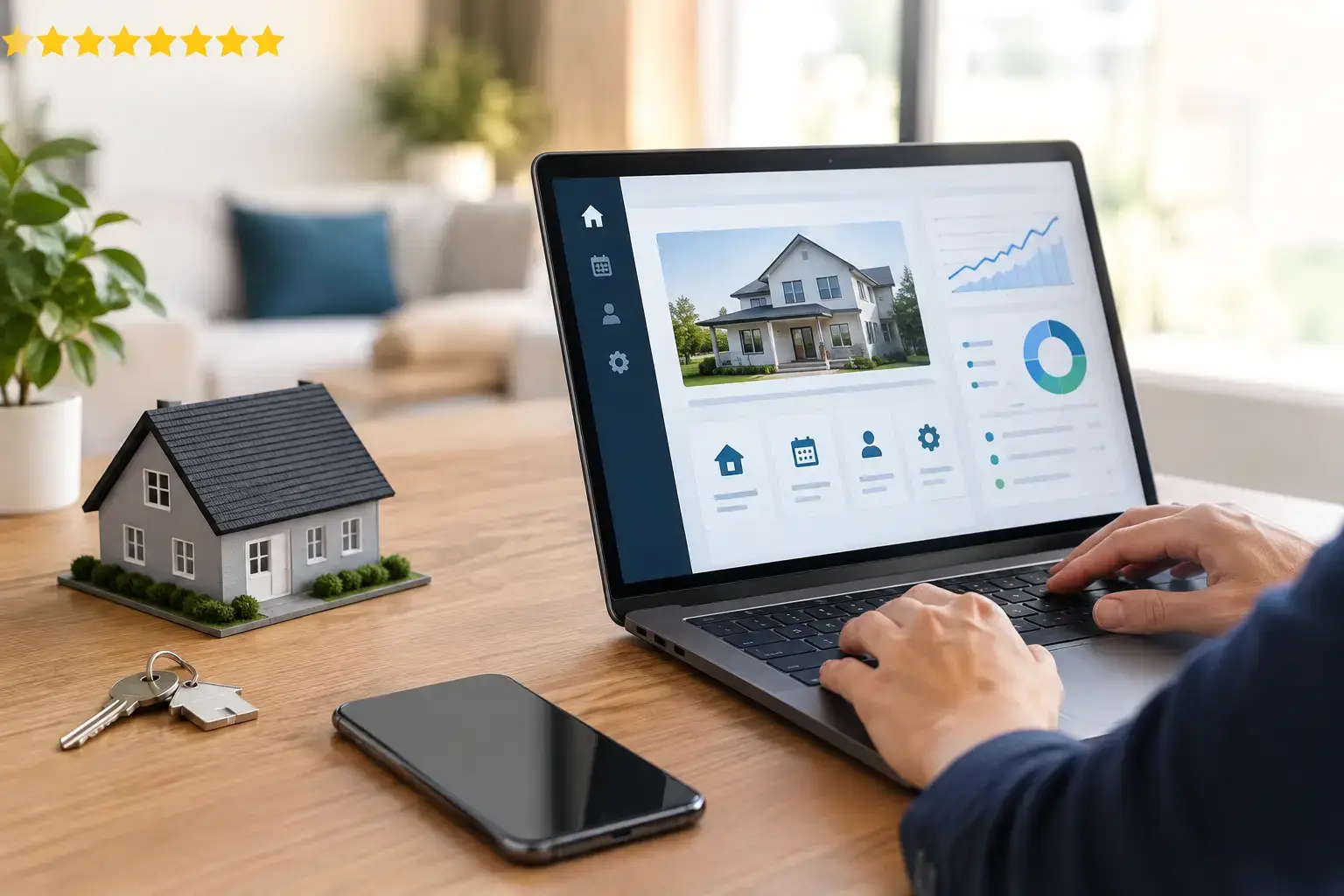
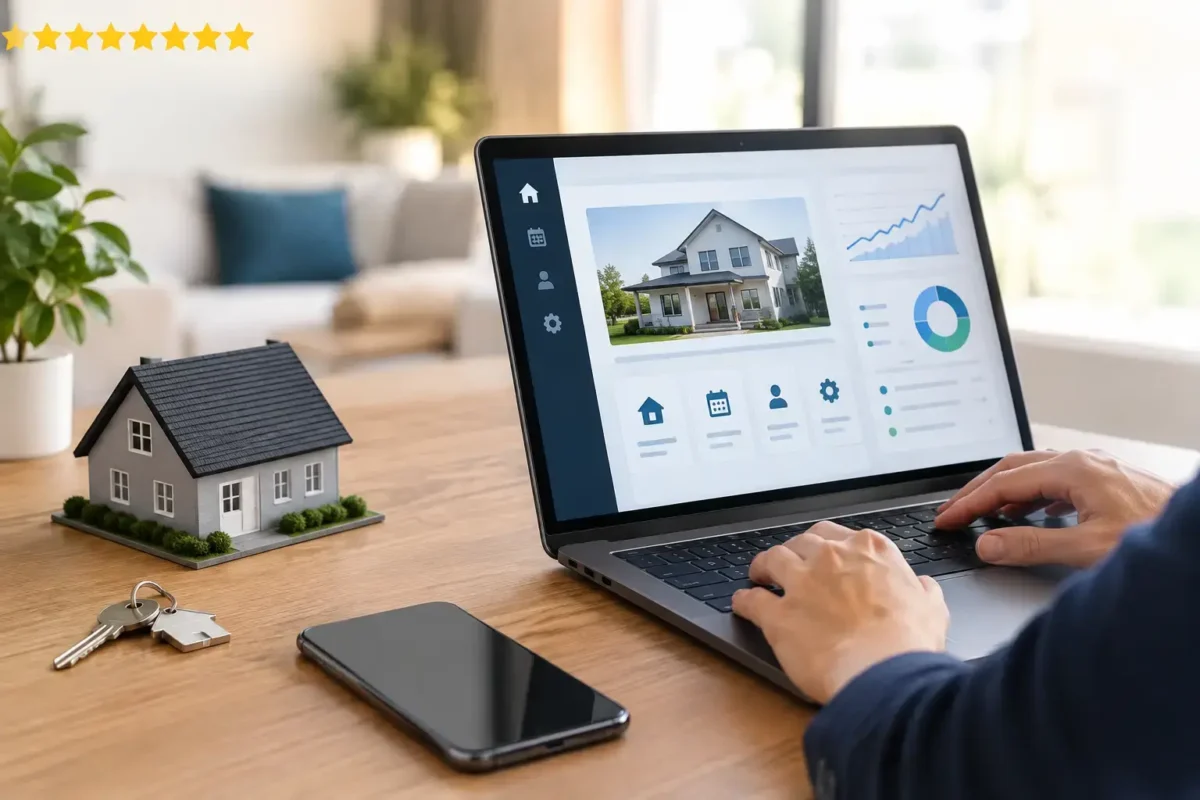
A rent payment comes in at 11:48 p.m. A resident reports a leaking water heater at 6:15 a.m. A promising applicant wants a showing while you are at work. None of these events should require you to stop everything and chase paperwork. Rental automation gives property owners a better way to manage routine work, keep records current, and respond faster without handing critical decisions to a machine.
For Tampa Bay investors and landlords, the goal is not to make rental management impersonal. The goal is to remove the repetitive tasks that drain time, create gaps in communication, and make a profitable property feel like a second full-time job.
What rental automation actually handles
Rental automation uses connected systems and repeatable workflows to complete or organize predictable parts of property management. It can send rent reminders, collect online payments, route maintenance requests, schedule showing follow-ups, store documents, and give owners access to current financial information.
That matters because rental operations are full of small deadlines. A late-fee notice, a lease renewal reminder, a vendor invoice, or a move-in inspection report may seem minor on its own. When those items are missed or delayed, they can affect cash flow, resident satisfaction, documentation, and legal compliance.
Automation creates consistency. A resident receives the same clear payment instructions each month. A maintenance request is logged with a date, photos, and a record of communication. An owner can review income and expenses without waiting for a stack of paper statements. These systems reduce friction, but they work best when a capable property manager is still responsible for judgment and follow-through.
Where automation delivers the biggest return
Rent collection and payment tracking
Rent collection is one of the clearest uses for automation. Online payment options make it easier for residents to pay on time, while scheduled reminders reduce the need for uncomfortable manual follow-ups. The system records payments, outstanding balances, and transaction history in one place.
For an owner, the benefit is visibility. You should be able to see what has been paid, what is overdue, and what action is being taken. Automation also creates a more consistent collection process, which is valuable when managing more than one property or living outside the area.
Still, a reminder is not a resolution. If a resident falls behind, the next step requires professional judgment, accurate lease enforcement, and an understanding of Florida requirements. Software can document the process. It cannot decide when a payment arrangement is appropriate or handle a difficult conversation with the care it deserves.
Maintenance coordination and faster response
Maintenance is where a slow response can become expensive. A resident who can submit a request online, attach photos, and describe the issue clearly gives the management team a better starting point. Requests can be categorized, assigned, tracked, and documented from the first report through completion.
This is especially useful for owners who do not want maintenance calls going to their personal phone at all hours. Emergency issues need immediate attention. Routine repairs need prompt scheduling, cost control, and confirmation that the work was completed correctly.
Automation improves the recordkeeping and speed of communication. It does not replace vendor oversight. A property manager still needs to determine whether the issue is urgent, authorize appropriate work, review charges, and protect the property from preventable damage. The best process combines technology with real accountability.
Leasing follow-up and applicant organization
Vacancy costs money every day. Automated responses to rental inquiries, showing confirmations, and follow-up messages can help keep qualified prospects moving through the leasing process. This is valuable when leads arrive after business hours or when several prospects are asking about the same home.
Applicant information can also be organized in a single workflow rather than scattered across emails and text messages. That supports a faster process, but speed should never mean cutting corners. Income verification, rental history, credit review, and background screening remain essential steps in selecting a reliable resident.
A polished listing and quick response may generate more applications. Strong screening protects the income that listing is supposed to produce.
Lease dates, renewals, and reporting
Lease expiration dates are easy to overlook until they create a vacancy problem. Automated alerts give owners and managers time to review renewal options, communicate with residents, and prepare a marketing plan when a move-out is expected.
The same principle applies to inspections, insurance documents, owner statements, and vendor invoices. When records are organized in a portal, owners have a clearer picture of performance. Instead of asking where things stand, they can review activity and make better decisions about rent levels, repairs, and future investments.
What should never be fully automated
Not every rental decision belongs in a workflow. Resident relationships, fair housing compliance, lease enforcement, emergency judgment, and major repair decisions all require a human being who understands the property, the agreement, and the consequences of getting it wrong.
For example, an automated maintenance acknowledgment is helpful. An automated message that minimizes a possible water intrusion issue is not. A renewal reminder is efficient. An automatic lease change without a proper review of market conditions and resident history is risky.
Owners should also be cautious about systems that promise to manage everything with no human involvement. Rental properties are physical assets occupied by people. A delayed repair, poor screening decision, or incomplete move-out record can cost far more than the time saved by an overly hands-off process.
How to use rental automation without losing control
Start by identifying the tasks that repeat every week or month. Rent reminders, application updates, maintenance tickets, lease alerts, and financial reporting are strong candidates because consistency matters and the process can be documented.
Then define who owns the decision at each point. A system may flag a late payment, but someone must decide the appropriate next action. A maintenance ticket may notify a vendor, but someone must verify the scope, timing, and quality of the repair. Clear responsibility prevents automation from becoming a black box.
Finally, use your reporting to ask better questions. Are maintenance costs increasing at one property? Are inquiries strong but applications weak? Are renewals being addressed early enough? Technology should give you useful answers, not just more notifications.
For out-of-area owners, this structure is particularly valuable. You need more than a dashboard. You need current information, documented activity, and a local team that can act when a resident needs help or the property needs attention.
A better standard for efficient management
Affordable management should not mean bare-bones management. Owners deserve transparent records, responsive maintenance coordination, reliable rent collection, and professional oversight without paying excessive fees for routine administration.
At 10starhomes, technology supports the work, but it does not replace responsibility. Owner and resident portals can make everyday tasks easier, while hands-on management keeps leasing, maintenance, communication, and property protection moving in the right direction.
The right rental automation should make ownership quieter, not riskier. Choose processes that save time, preserve documentation, and leave important decisions in the hands of people who are accountable for your property and your income.