
A rental can look profitable on paper and still drain your bank account. The difference is usually not one dramatic mistake. It is a combination of small leaks: an avoidable vacancy, a tenant who pays late, a repair handled too slowly, or a management fee structure that grows every time something needs attention. These investment property cash flow tips focus on the operating decisions that protect real monthly income.
For Tampa Bay owners, cash flow also has to account for local realities. Insurance, storm preparation, humidity-related maintenance, HOA requirements, seasonal demand, and wide rent differences between neighborhoods can all change the numbers. The goal is not simply to collect the highest possible rent. It is to produce dependable income after every predictable expense is paid.
Start With True Cash Flow, Not Gross Rent
Gross rent is a marketing number. Cash flow is what remains after mortgage payments, taxes, insurance, HOA dues, utilities you cover, maintenance, leasing costs, management, reserves, and vacancy are accounted for. If you only compare rent to the mortgage, you are not measuring the investment accurately.
Build a property-level budget and review it every month. Keep one-time capital improvements separate from recurring repairs, but do not pretend capital costs will never happen. Roof work, HVAC replacement, exterior painting, appliances, and flooring are part of long-term ownership. A property that produces a modest monthly surplus while building healthy reserves is often stronger than one with a higher advertised return and no cushion.
Price Vacancy Into the Numbers
A vacant month can erase much of a year’s rent increase. Set aside a vacancy reserve even when the property is occupied and demand is strong. The right percentage depends on the neighborhood, property type, rental strategy, and turnover history, but the reserve should be real money, not a line on a spreadsheet.
For vacation rentals, vacancy and seasonal swings require even closer attention. A strong high-season calendar does not automatically cover weak periods, cleaning costs, furnishing replacement, utilities, and platform-related expenses. Underwrite the slow months before relying on the busy ones.
Set a Rent That Produces Occupancy
The highest listing price is not always the most profitable price. If an extra $100 per month causes a three-week delay in leasing, the property can lose more revenue than it gains. Rent should be based on current competing listings, recently leased comparable homes, property condition, pet policy, included services, and the urgency of the leasing window.
A clean, well-priced home with professional photos and a clear listing usually attracts better applications faster than an overpriced listing that sits. That matters because a shorter vacancy also reduces wear from repeated showings, utility carrying costs, and the temptation to accept a weaker applicant just to fill the unit.
Improve the Features Renters Actually Value
Not every renovation raises rent enough to justify the cost. Focus first on improvements that reduce objections and help a home compete: fresh neutral paint, reliable air conditioning, clean flooring, functional appliances, good lighting, secure locks, and strong curb appeal. In Florida, a well-maintained HVAC system, moisture control, and outdoor upkeep can be more valuable to renters than a trendy upgrade that does not solve a daily problem.
Before spending on a renovation, ask two questions: Will it increase achievable rent or reduce vacancy? Will it reduce future repair calls or turnover damage? If the answer to both is no, the project may be a personal preference rather than an investment decision.
Protect Income With Better Tenant Placement
Cash flow improves when rent arrives on time and the tenant takes care of the home. Thorough screening is not an optional administrative step. It is one of the most important financial controls an owner has.
Verify income, review rental history, check credit and background information within applicable legal requirements, and apply written criteria consistently. The objective is not to find a perfect tenant. It is to select a qualified resident whose income, payment history, and rental behavior support a stable tenancy.
A weak placement can create unpaid rent, property damage, legal expenses, extended vacancy, and a rushed re-leasing process. Saving a few days during screening is rarely worth taking on months of financial risk.
Retain Good Residents Before Turnover Becomes Expensive
A reliable resident who renews is valuable. Turnover means cleaning, repairs, marketing, showings, vacancy, and uncertainty. Start renewal conversations early enough to understand whether the tenant plans to stay and to price the renewal based on the current market.
Retention does not mean ignoring rent growth. It means making reasonable increases, responding to maintenance professionally, and giving good residents a clear reason to renew. A resident is more likely to stay when communication is prompt, the home is maintained, and lease expectations are consistent.
Control Maintenance Without Delaying It
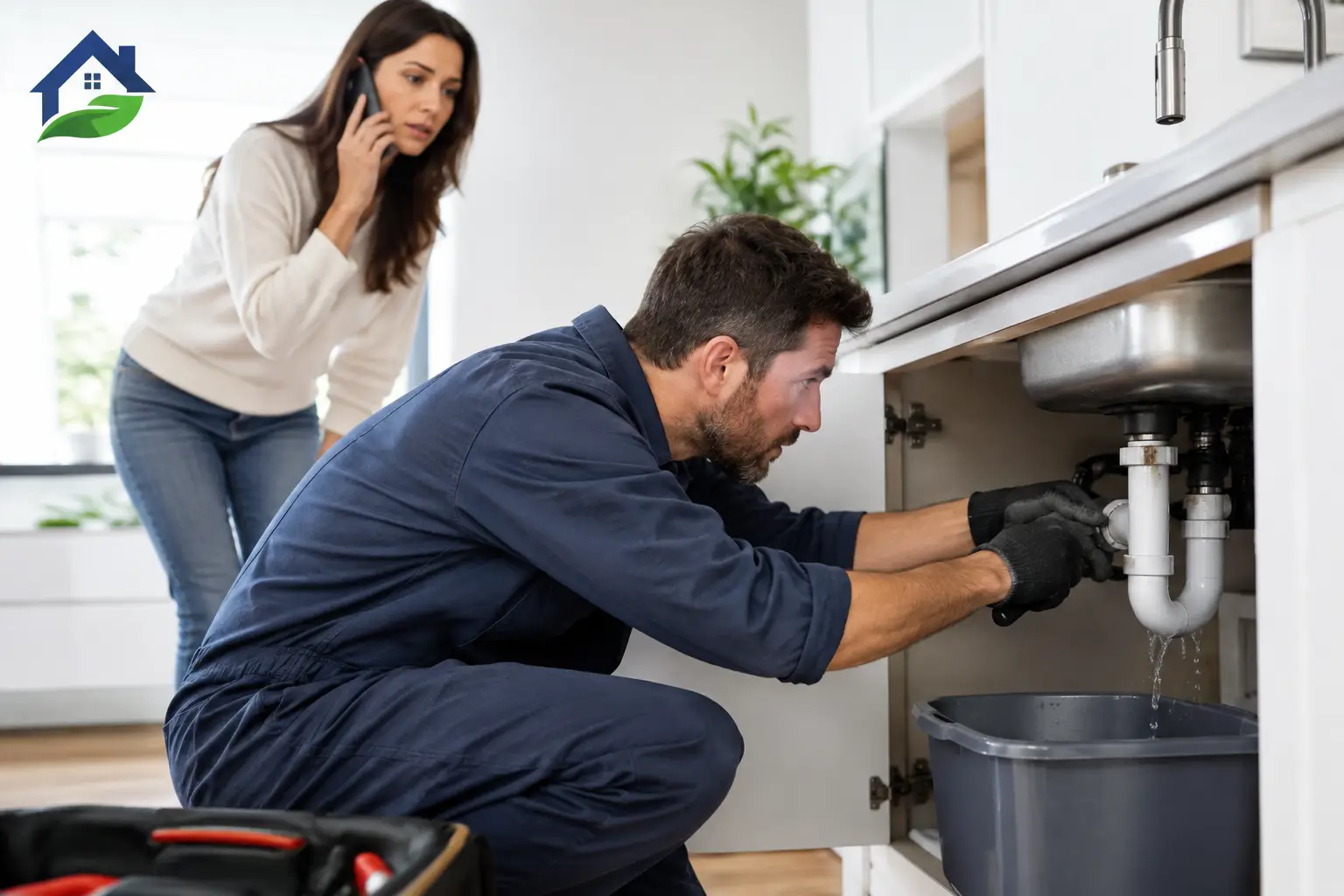
Deferred maintenance is one of the fastest ways to turn a manageable cost into a major expense. A small leak becomes mold risk. A struggling air conditioner becomes an emergency replacement during the hottest part of the year. A loose handrail becomes a safety concern. Fast action protects the asset and helps keep residents satisfied.
That does not mean approving every repair without oversight. Request clear documentation, compare scopes of work when the project is significant, and track repeat issues. If the same plumbing line, appliance, or roof area keeps generating calls, solve the root problem instead of repeatedly paying for temporary fixes.
Preventive service is especially practical for properties exposed to heat, humidity, storms, and heavy rain. Regular HVAC maintenance, gutter and drainage checks, roof inspections, pest prevention, and exterior walkthroughs can prevent disruptive surprises. Schedule these costs instead of waiting for an emergency call at the worst possible time.
Keep an Emergency Reserve Separate From Repairs
Routine repairs and emergencies are not the same category. A reserve for filters, minor plumbing, and touch-up paint will not cover a major water event or HVAC replacement. Keep dedicated cash available for both operating repairs and larger asset protection needs.
The exact reserve amount depends on the age and condition of the property, insurance deductibles, loan terms, and your risk tolerance. Older homes, properties with aging systems, and coastal or storm-exposed rentals generally need a larger cushion. This is not idle cash. It is what prevents a necessary repair from becoming high-interest debt or a forced sale decision.
Watch Every Expense That Scales With Ownership
Small recurring charges become meaningful across multiple doors. Review insurance renewals, property taxes, HOA assessments, utility bills, vendor invoices, lawn care, pest control, and management costs at least annually. The goal is not to choose the cheapest provider in every case. Poor service can cost more through property damage, resident frustration, or repeat work.
Management pricing deserves the same scrutiny. Owners should know exactly what is included, what triggers an extra charge, and how maintenance coordination, leasing, renewals, inspections, and accounting are handled. A low base price with frequent add-ons can make monthly performance difficult to predict.
10starhomes offers full-service property management for $49 per month with transparent billing and no lock-in contracts, giving owners a straightforward way to protect cash flow without traditional premium management pricing. Whatever management model you choose, clarity matters: you should be able to see where every dollar goes and what operational work it covers.
Use Reporting to Make Decisions Faster
Good cash flow management is not a once-a-year exercise. Review monthly statements for rent collected, outstanding balances, repairs, reserve contributions, and unusual charges. Compare actual results with your budget, then investigate the gaps. A one-month increase in water usage may point to a leak. Repeated late payments may require faster follow-up. Rising maintenance at one home may signal a system nearing replacement.
Owner portals and organized reporting are particularly valuable for out-of-area investors. You should not have to wait for an annual tax package to understand whether the property is performing. Timely records allow you to approve repairs, adjust strategy, and plan capital work while you still have options.
Investment Property Cash Flow Tips for Long-Term Growth
The best investment property cash flow tips are usually disciplined rather than flashy. Lease quickly at a market-supported rent. Screen consistently. Maintain the home before small problems grow. Keep reserves. Question recurring costs. Review the numbers often enough to act on them.
Cash flow becomes more reliable when the property is run like a business, not treated as passive income that will take care of itself. Protect the resident experience, protect the physical asset, and protect your operating margin. That is how a rental keeps producing when the market is not doing the work for you.