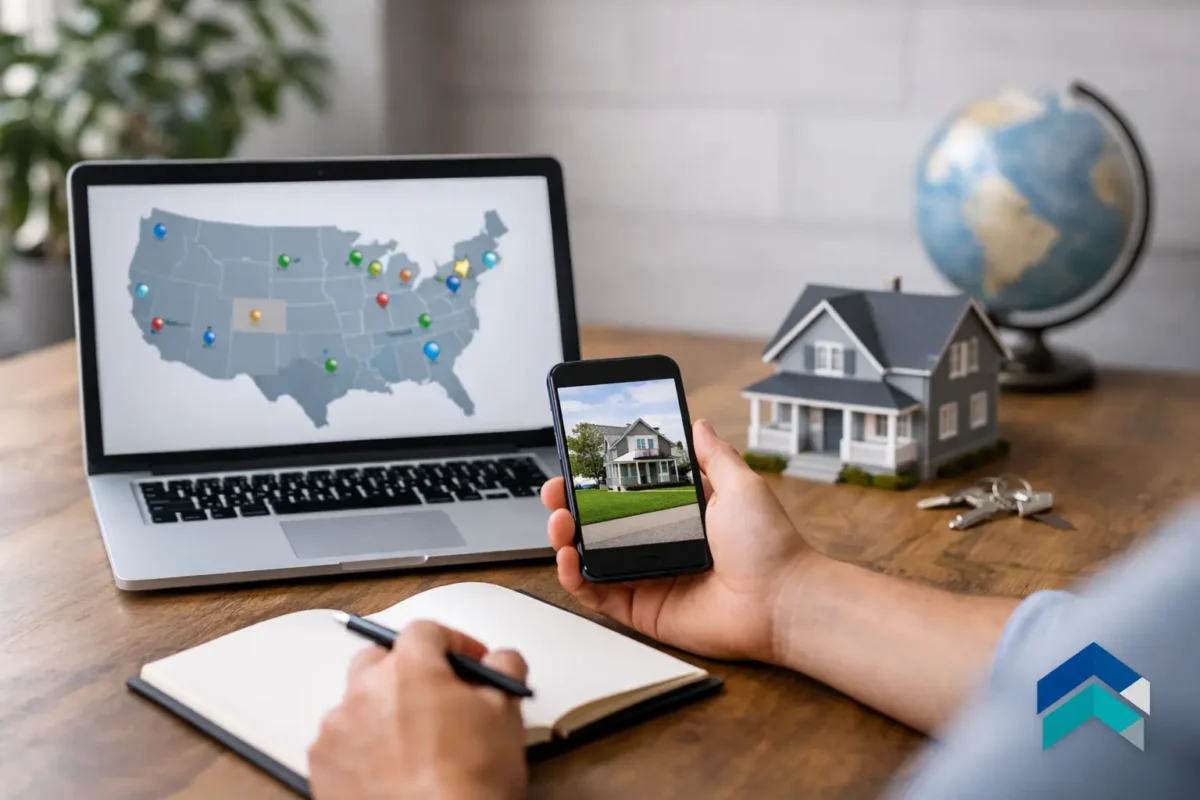
Owning a rental from hundreds or even thousands of miles away sounds efficient on paper – until the AC quits on a Sunday, the tenant pays late, or a city notice shows up in your mailbox three weeks after the deadline. That is when learning how to manage out-of-state rentals stops being a theory and becomes an operations problem.
The good news is that distance does not have to reduce performance. Plenty of owners build strong cash flow with rentals they rarely see in person. The difference is not luck. It is having the right systems, the right local support, and the discipline to treat the property like a business instead of a side project.
How to manage out-of-state rentals without losing control
The biggest mistake remote owners make is assuming they need to be involved in every small decision to protect the property. Usually, the opposite is true. If every repair, inspection, lease question, and rent issue has to route through you, the process slows down, tenants get frustrated, and small problems become expensive ones.
A better approach is to decide upfront what you will control directly and what should be delegated. Most owners should keep authority over major financial decisions, lease standards, and long-term investment strategy. Day-to-day operations like maintenance dispatch, rent follow-up, move-in coordination, and routine communication usually need a local operator or a very reliable vendor network.
That line matters because remote ownership fails when there is no clear chain of command. If the tenant does not know who to call, if the handyman is waiting for approval, and if you are trying to manage everything between meetings or while traveling, response times slip. In rental housing, slow response is expensive.
Build a local team before you need one
If you wait to find help until there is a water leak, you are already behind. Out-of-state rentals need local infrastructure from day one. That can mean a full-service property manager, or it can mean a carefully built roster of licensed, responsive professionals if you insist on self-managing.
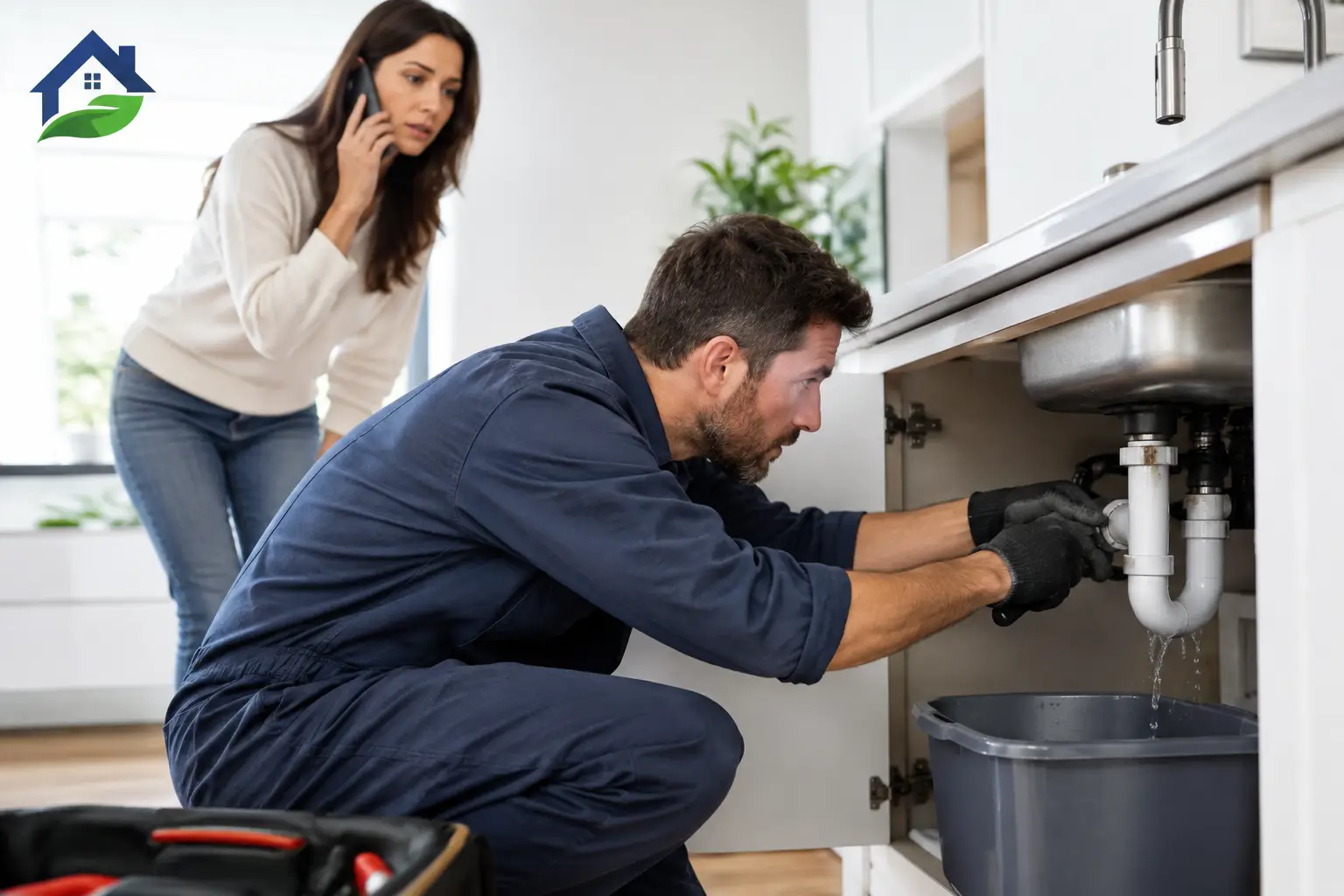
At a minimum, you need a maintenance contact, a licensed plumber, an HVAC company, a reliable cleaner if turnovers are frequent, and someone who can physically inspect the property when needed. You also need clear expectations for after-hours emergencies. A tenant with no emergency contact will make their own decisions, and those decisions are not always cheap.
For many investors, this is where professional management pays for itself. A strong manager is not just answering phones. They are shortening vacancy, screening applicants, documenting condition, coordinating repairs, keeping records, and helping you avoid legal and operational mistakes that are much harder to fix from another state. That is especially true if you own in a fast-moving market like Tampa Bay, where response speed and local knowledge directly affect income.
Tenant screening matters more when you are far away
A bad tenant is expensive for any owner. A bad tenant in a property you cannot easily visit is worse. Screening is one of the few chances you get to prevent months of avoidable friction, so it cannot be rushed.
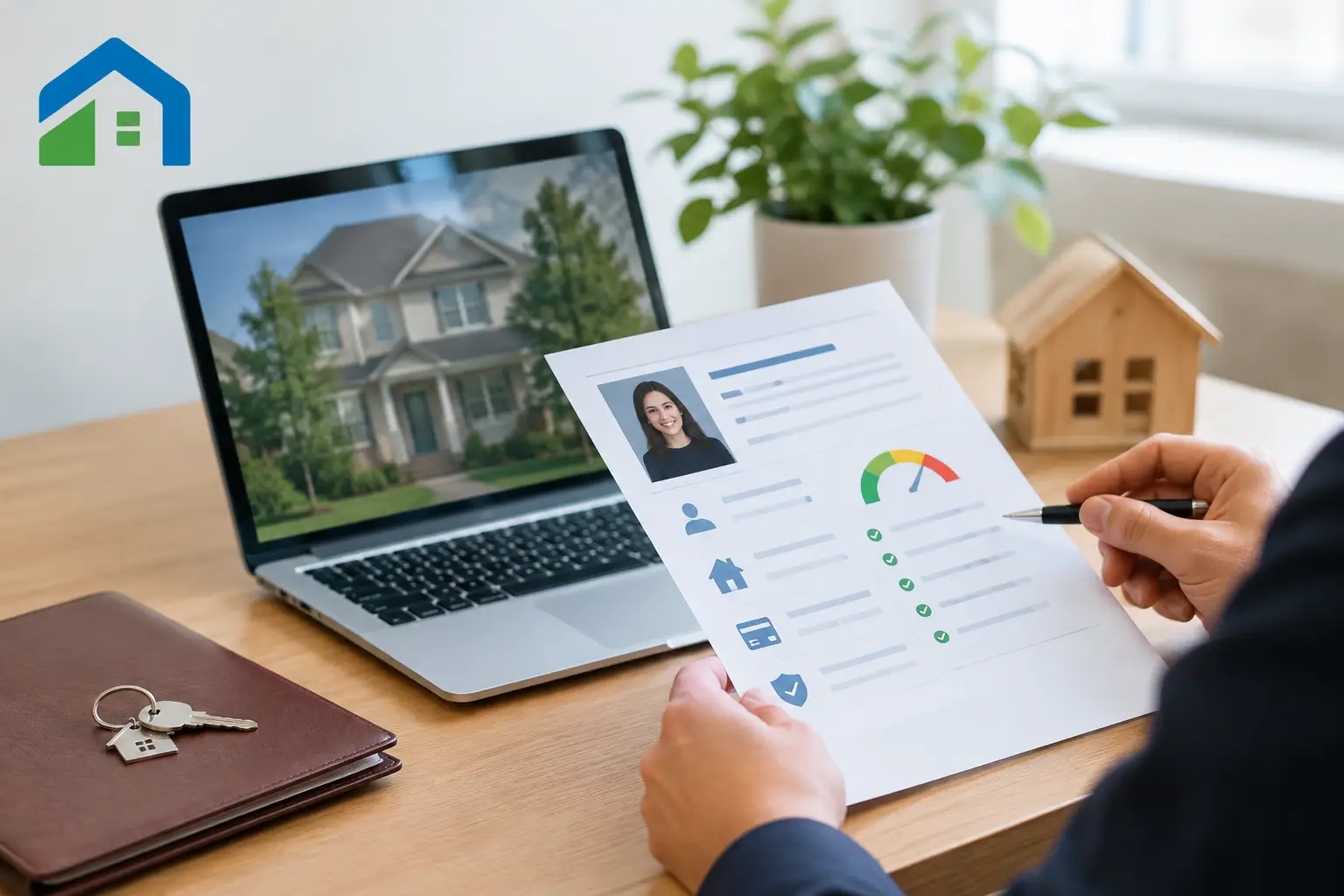
That means verifying income, reviewing credit, checking rental history, confirming employment, and looking for consistency in the application. It also means following fair housing rules and using a consistent process every time. Remote owners sometimes rely too heavily on instinct because they are trying to make a quick placement from afar. That usually backfires.
It is better to accept a slightly longer vacancy than to fill the property with a resident who pays late, damages the unit, or creates repeated complaints. Cash flow is not just rent collected. It is rent collected on time, with manageable wear and tear, and minimal disruption.
Set maintenance rules before the first work order
Maintenance is where many long-distance rentals drift off track. Costs rise when there is no approval structure, no pricing benchmark, and no system for deciding what counts as urgent.
Start with spending thresholds. For example, you may want routine repairs under a certain amount handled without approval so issues are resolved quickly. Larger repairs should come with photos, notes, and estimates unless it is a true emergency. That gives you visibility without slowing down basic service.
You also need documentation. Every work order should have a date, description, invoice, and completion record. If a repair becomes recurring, you want a paper trail. If a tenant disputes damage, you want records. If you decide to sell later, you want a maintenance history that shows the asset was cared for.
The cheapest vendor is not always the best choice here. Out-of-state owners should value reliability, communication, and follow-through just as much as price. A low invoice does not help if the issue is not actually fixed and you end up paying twice.
Use inspections and reporting to stay informed
If you cannot drive by the property, you need another way to verify condition. That is where scheduled inspections and consistent reporting become non-negotiable.
Move-in and move-out reports should be detailed and photo-driven. Mid-lease inspections can help catch unauthorized occupants, deferred maintenance, housekeeping concerns, and lease violations before they get worse. Exterior checks are also useful after storms, especially in Florida where weather can turn minor issues into insurance claims fast.
Reporting should be easy to read and frequent enough to keep you informed without overwhelming you. Most owners want monthly statements, repair records, rent status, and year-end accounting support. If you have to chase basic numbers every month, you do not have a management system. You have a guessing problem.
Know the laws in the state where the property sits
One of the hardest parts of learning how to manage out-of-state rentals is accepting that your home state habits may not apply. Lease notices, security deposit handling, entry requirements, eviction timelines, and local registration rules can vary more than owners expect.
This is where remote investors get exposed. A lease template pulled from the internet, a mishandled deposit, or an improper notice can create delays, disputes, or legal costs that wipe out months of profit. Even well-meaning landlords make mistakes when they assume the rules are basically the same everywhere.
You do not need to become an attorney, but you do need a compliant process. That includes the lease, required disclosures, notice procedures, and documentation standards. If the property is in a city or county with rental-specific rules, those need to be built into your operations from the start.
Technology helps, but it does not replace accountability
Online portals, digital leases, payment tracking, and maintenance software make remote ownership easier. They reduce delay, create records, and let owners see what is happening without waiting for a phone call. That is a real advantage.
But software does not solve weak operations. A portal cannot screen tenants well on its own. Automated messages do not calm down an upset resident when a repair is overdue. And dashboards are only as useful as the people updating them.
The best setup combines technology with clear human responsibility. Tenants should know where to pay, where to submit maintenance, and who handles emergencies. Owners should know who is accountable for leasing, repairs, inspections, and communication. Fancy tools are helpful. Clear ownership of the work is what keeps the property performing.
When self-management stops making financial sense
Some owners are determined to self-manage from out of state to save money. That can work with one stable property, an excellent tenant, and a deep bench of local vendors. But once turnover increases, maintenance becomes more frequent, or compliance gets more complex, the math changes.
The real comparison is not management fee versus no management fee. It is management cost versus vacancy loss, leasing mistakes, bad tenant placement, repair inefficiency, and your own time. One extra month of vacancy or one poorly handled turnover can cost more than months of professional management.
That is why value matters more than headline price. If you hire help, you want transparent pricing, responsive maintenance coordination, strong leasing execution, and clear reporting. You should know what is included, what is not, and who is actually protecting your asset when issues come up.
For owners who want distance without disorder, a full-service model often delivers the best return because it turns scattered tasks into a managed system. That is the whole point.
Remote rentals do not need constant attention. They need consistent standards. If you build the right team, insist on clean reporting, and create rules before problems happen, you can own from out of state without feeling out of the loop. And if your current setup still depends on crossed fingers and last-minute calls, it is probably time to tighten the operation before the property teaches the lesson for you.