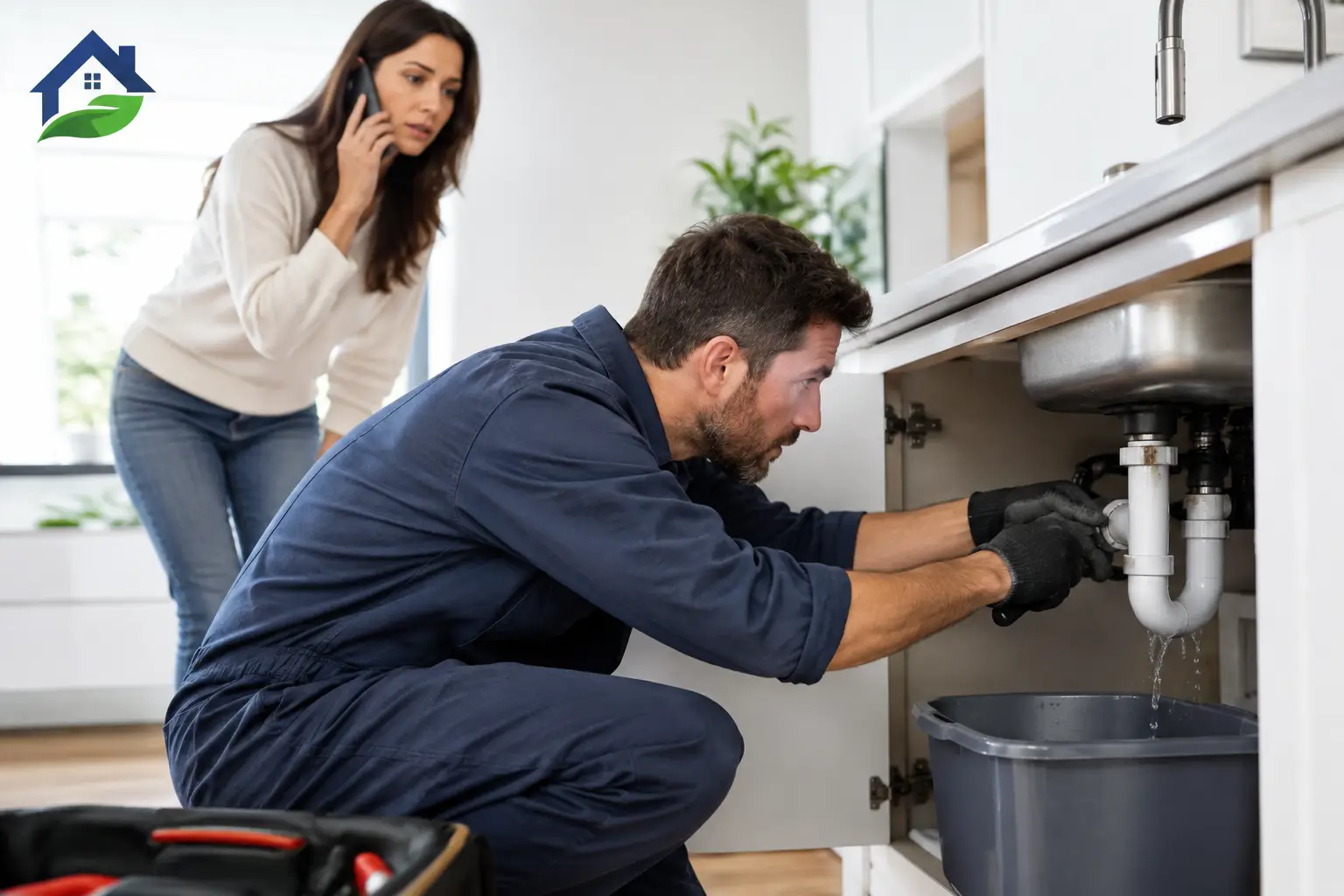

A $250 plumbing repair can turn into a $2,500 restoration bill when the right person is not dispatched quickly. That is the real issue behind in house versus outsourced maintenance for rental owners: not simply who holds the wrench, but who protects the property, documents the work, controls the cost, and keeps the resident informed.
For a landlord with one rental home, handling repairs personally can feel like the cheapest choice. For an investor with several homes, condos, vacation rentals, or commercial spaces, the math changes quickly. Maintenance is a 24/7 operating responsibility, especially in Tampa Bay, where HVAC failures, heavy rain, humidity, and storm-related damage can demand immediate attention.
In House Versus Outsourced Maintenance: What Each Model Means
In-house maintenance means the owner or property management company employs its own technicians, maintenance staff, or dedicated repair team. The team may handle routine work such as minor plumbing repairs, drywall patches, turnover touch-ups, filter changes, landscaping coordination, and basic inspections.
Outsourced maintenance relies on independent, licensed vendors and specialty contractors. A property manager may coordinate the work, approve estimates within an agreed limit, communicate with the resident, confirm completion, and send the owner the final invoice and documentation.
There is also a hybrid model. Many successful rental portfolios use a small internal team for fast, routine tasks while outsourcing licensed electrical, HVAC, roofing, mold remediation, tree work, and major plumbing projects. This approach can work well, but it requires tight vendor oversight and clear approval procedures.
The best model is not the one that sounds most convenient. It is the one that gives your portfolio consistent response times, dependable workmanship, and predictable costs without leaving you on call every night.
The True Cost of an In-House Team
An in-house technician can appear less expensive because there is no contractor markup on each job. If a property has frequent turnovers or a high volume of small repair requests, having reliable staff available may reduce per-job costs and speed up scheduling.
But payroll is only the beginning. Owners must account for wages, payroll taxes, insurance, workers’ compensation, tools, vehicles, fuel, training, uniforms, scheduling, supervision, and paid downtime. A technician who is excellent at minor repairs may still need a licensed contractor for a refrigerant issue, electrical panel concern, roof leak, or major water intrusion.
Availability creates another expense. A single employee cannot reasonably provide around-the-clock coverage, take every emergency call, manage multiple properties across a large service area, and maintain quality workmanship. Covering nights, weekends, holidays, and sick days often requires more staffing than owners expect.
In-house maintenance can make financial sense for a large, concentrated portfolio with steady repair volume. It is harder to justify for scattered single-family rentals, smaller multifamily holdings, or owners who want professional coverage without building an internal operations department.
Control Is Valuable, but It Requires Management
The strongest argument for in-house maintenance is control. You may know exactly who is entering the property, how quickly they are scheduled, and what standards they follow. That control is valuable only when there is a system behind it.
Without written work orders, before-and-after photos, pricing standards, resident communication rules, and follow-up inspections, an internal team can become difficult to evaluate. Small jobs may be completed without proper documentation, recurring problems may be patched instead of solved, and repair spending can drift upward without anyone noticing.
A maintenance operation needs accountability whether the technician is on payroll or not.
Where Outsourced Maintenance Creates Value
Outsourced maintenance gives rental owners access to specialists when they are needed rather than carrying the fixed expense of an internal team. A qualified HVAC contractor handles HVAC work. A licensed plumber handles the plumbing. A roofing professional evaluates roof damage. The owner pays for the required expertise instead of paying year-round for every trade.
This model can also improve response capacity. A well-managed vendor network gives property owners more options when a resident reports a leak after hours, an air conditioner fails during a Florida heat wave, or a storm damages a fence or roof. The goal is not merely to send someone out. It is to send the appropriate professional, quickly, with clear authorization and a documented scope of work.
Outsourcing does have risks. Vendor rates can vary, scheduling may be less predictable during busy seasons, and poor coordination can frustrate residents. If an owner simply searches for a contractor after every repair request, that is not a maintenance strategy. It is a reactive process that can lead to inconsistent work and unnecessary vacancy risk.
The difference is vendor management. A professional management process should include vetted vendors, clear communication, invoice review, repair records, resident updates, and escalation for larger expenses.
Response Time Protects More Than Resident Satisfaction
Maintenance response affects retention, online reviews, lease renewals, and the physical condition of the asset. Residents do not need every issue fixed in an hour, but they do need to know their request has been received, assessed, and scheduled.
Emergency situations are different. Active water leaks, no cooling in extreme heat, electrical hazards, broken exterior doors, sewage backups, and major storm damage require immediate action. Delays can expose the property to more damage and create potential safety and habitability concerns.
This is where many do-it-yourself owners get stuck. They may have a trusted handyman, but that person may be unavailable at 10 p.m. on a Saturday. An outsourced network coordinated by a property manager can provide broader coverage without requiring the owner to personally field every call.
At 10starhomes, maintenance coordination and 24/7 emergency response are designed to take that pressure off owners while keeping residents informed and properties protected.
Maintenance Quality and Compliance Matter
The lowest quote is not always the lowest cost. An improperly repaired toilet flange can cause hidden floor damage. A rushed HVAC repair can lead to another service call days later. A contractor who performs work outside their qualifications can create larger liability concerns.
For rental properties, maintenance should be treated as asset protection. That means keeping records of requests, approvals, invoices, inspections, and completed work. It also means recognizing when a repair is actually a capital improvement. Replacing an aging water heater, resurfacing a driveway, or installing a new roof is not the same as fixing a minor service request, and owners should be able to see that distinction clearly in their records.
Florida owners should also plan for seasonal maintenance. HVAC servicing, gutter and drainage checks, roof inspections, exterior sealing, pest prevention, and storm preparation can reduce expensive surprises. Whether these tasks are completed internally or outsourced, preventive work is usually less costly than emergency restoration.
How to Choose the Right Maintenance Model
Start with the size and location of your portfolio. A large group of units in one neighborhood may support an in-house technician. Properties spread across Tampa, Clearwater, Bradenton, Sarasota, or other parts of the region are often better served by coordinated local vendors who can reach each property efficiently.
Next, look at repair volume. If your team is constantly spending time on small turnover items, minor repairs, and inspections, in-house support may be worth evaluating. If repairs are occasional and frequently require specialized trades, outsourcing is usually more efficient.
Then consider your own availability and risk tolerance. Owners who enjoy hands-on oversight may accept the responsibility of managing vendors, resident updates, approvals, and after-hours calls. Owners focused on growing their portfolio typically need a process that runs without their constant involvement.
Finally, compare total cost rather than hourly rates. Ask what is included in coordination, emergency coverage, documentation, follow-up, and quality control. A cheap repair that creates a second repair, a frustrated resident, or water damage is not a savings.
Set Clear Rules Before the First Repair Call
Whichever model you choose, establish an approval threshold in writing. Decide what level of expense can be authorized immediately, what requires owner approval, and what counts as an emergency exception. Make sure residents know how to submit routine requests and how to report urgent issues after hours.
You should also require consistent documentation: a description of the problem, photos when appropriate, the repair recommendation, estimate or invoice, and confirmation that the resident’s concern was resolved. This creates a maintenance history that helps you identify repeat problems before they become major expenses.
The right maintenance model should make ownership easier, not create another job. Choose the approach that gives your residents fast answers, gives you clear visibility into spending, and keeps small issues from becoming expensive interruptions to your cash flow.