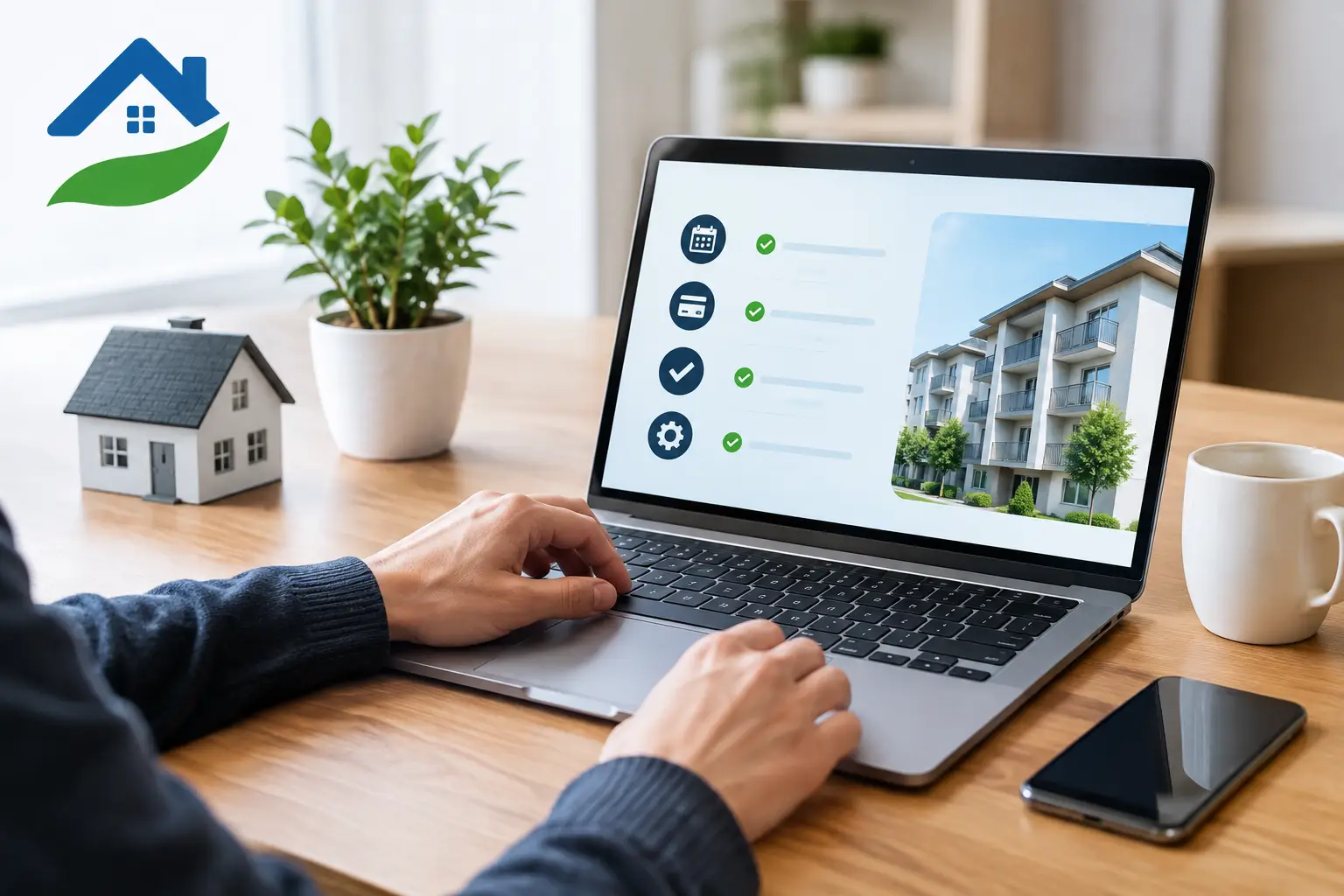
A rent payment that arrives late does more than create an awkward conversation. It disrupts mortgage payments, maintenance planning, owner distributions, and the confidence that your rental is producing dependable income. Learning how to automate rent collection gives landlords a clear system for getting paid on time, documenting every transaction, and responding consistently when a payment is missed.
For a single property or a growing Tampa Bay portfolio, the goal is not to remove human judgment. The goal is to remove repetitive follow-up, payment confusion, and manual bookkeeping from a process that should be predictable.
Start With a Lease That Supports Automated Rent Collection
Automation starts before a resident receives the keys. Your lease should state the monthly rent amount, due date, accepted payment methods, late-fee policy, grace period if one is offered, and the consequences of a returned or failed payment. Vague terms create disputes. Clear terms create a process residents can follow.
Make online payment the standard method, not an optional afterthought. If residents are told to choose between cash, checks, payment apps, money orders, and an online portal, you create more reconciliation work and more opportunities for missing records. A professional online payment system gives both sides a time-stamped record of what was paid, when it was paid, and whether it cleared.
Your late-fee language must also comply with applicable Florida law and the signed lease. Do not rely on an informal policy or change fees mid-lease. Consistency protects your income and reduces the risk of treating residents differently.
Choose a Payment Platform That Handles the Full Workflow
The right software does more than accept a debit card or bank transfer. It should connect payment collection to the resident ledger, accounting records, reminders, balances, and owner reporting. Otherwise, you are simply moving checks from the mailbox to a different inbox.
When evaluating a platform, focus on whether it can automatically post recurring rent charges, allow ACH bank payments, track card payments where appropriate, send payment confirmations, and flag failed transactions quickly. It should also show the exact outstanding balance when a resident owes rent, late fees, utilities, or other authorized charges.
For most long-term rentals, ACH payments are the best default because they are typically lower cost than card transactions and easier to reconcile. Card payments can be useful for convenience, but someone must decide who pays the processing fee and ensure the approach is disclosed properly. Cash may feel immediate, but it adds risk, requires careful receipts, and makes remote ownership harder.
A central resident portal also improves communication. Residents can see their balance, review payment history, and make a payment without calling your office for basic information. That is a better experience for reliable residents and a better use of your team’s time.
Set Up Recurring Charges and Payment Reminders
Automated rent collection works best when the system follows a consistent calendar. Schedule the rent charge to post before the first of the month, then send a friendly reminder several days before rent is due. A second message on the due date can be direct and simple: rent is due today, and the portal is available for payment.
If payment is not received, your process should escalate without sounding hostile. Send a late reminder after the due date, apply any lease-authorized late fee at the correct time, and document all communication in the resident record. Automation does not mean sending aggressive messages at random. It means every resident receives timely, consistent communication based on the terms they agreed to.
A practical reminder schedule may include a pre-due-date reminder, due-date notice, late reminder, and a final internal escalation alert for the property manager. The right cadence depends on your lease terms and resident profile. A vacation rental, for example, has a different collection cycle than a long-term single-family home.
Give Residents a Simple Way to Pay
The more steps it takes to pay rent, the more excuses and delays you will see. Residents should be able to access their payment portal from a phone, view their amount due, choose an approved payment method, and receive a confirmation. Keep instructions short and provide them at move-in, not only when rent becomes overdue.
Autopay can help reliable residents avoid accidental late payments, especially when rent is due during travel, holidays, or busy work periods. However, autopay is not a guarantee of collected funds. Bank accounts can have insufficient balances, cards can expire, and residents may cancel an authorization. Your system still needs failed-payment alerts and a documented follow-up process.
At move-in, ask residents to confirm their preferred email address and mobile number. Automated notices are only effective when they reach the right person. For households with multiple leaseholders, decide whether every adult will receive notices or whether one primary contact will manage communications.
Connect Collections to Your Accounting, Not a Spreadsheet
Manual spreadsheets tend to fail when a portfolio grows, a resident makes a partial payment, or a charge is reversed. Automated collection should feed directly into property-level accounting so you can see rent billed, rent received, outstanding balances, late fees, and deposits without recreating the same data in multiple places.
This matters because a payment received is not always the same as money available to distribute. Your records should distinguish between pending and cleared payments, identify payment processing costs, and show whether funds were applied to rent or another balance. Clean accounting helps owners understand real cash flow rather than relying on a bank balance alone.
Monthly owner statements should make the numbers easy to review. An investor should be able to see income, expenses, management charges, maintenance activity, and any unpaid resident balance without chasing down explanations. Transparent reporting is especially valuable for out-of-area owners who need visibility without being involved in daily operations.
Build an Exception Process for Late or Failed Payments
Automation handles routine payments. A defined exception process handles everything else. If a payment fails, someone should review the account promptly, confirm the resident’s current balance, send the appropriate notice, and follow the next step required by the lease and local law.
Do not let automated reminders replace judgment. A long-term resident with a temporary bank issue may need a documented payment arrangement. A repeat late payer may require firmer action. In either case, keep every agreement in writing and apply policies consistently.
For Florida rentals, legal notices, timing, and enforcement procedures carry real consequences. If a balance remains unpaid, work from a compliant process rather than improvising through text messages. A professional property manager can coordinate the communication, records, notices, and escalation needed to protect the property owner’s position.
Avoid the Common Automation Mistakes
The biggest mistake is assuming software alone solves collection problems. Software is the delivery system. Your lease language, screening standards, move-in process, and enforcement habits determine whether the system produces reliable results.
Another mistake is accepting too many off-platform payments. If rent arrives through different apps, handwritten checks, and cash drop-offs, your records become fragmented. Residents may also claim a payment was sent when it was never received or never applied correctly. Set a standard channel and use exceptions sparingly.
Finally, do not ignore the resident experience. Payment portals should be easy to use, but residents also need a clear contact path when a payment question involves a real issue, such as an incorrect ledger entry or maintenance-related concern. Fast answers prevent small problems from turning into payment disputes.
When Professional Management Makes Collection Easier
Owners with limited time, multiple properties, or homes far from where they live often benefit from having one accountable team manage the complete rent cycle. That includes lease setup, resident onboarding, recurring charges, payment tracking, delinquency follow-up, accounting, and owner reporting.
10starhomes gives property owners a practical way to replace manual rent chasing with a structured, technology-supported process. The value is not just receiving rent online. It is having clear records, consistent communication, and a management team focused on protecting income without adding unnecessary complexity or surprise fees.
The best collection system is the one residents understand, owners can verify, and managers can enforce consistently. Set it up before the next lease begins, and rent day becomes a scheduled business process instead of a monthly scramble.