A missed text about a leaking water heater can turn into a repair bill, an insurance headache, and an angry resident by the end of the day. That is why the best landlord tenant communication tools are not just about convenience. They protect response times, create a paper trail, and keep rental operations from slipping into chaos.
For landlords and investors, communication tools do two jobs at once. They make life easier for residents, and they reduce risk for owners. The right setup helps you answer faster, track maintenance, collect documents, send reminders, and avoid the classic problem of important details getting buried in personal texts or voicemails.
What makes the best landlord tenant communication tools worth using
A good tool is not simply the one with the most features. It is the one that fits the way your properties actually run. If you manage a few single-family homes, your needs are different from an owner with vacation rentals, multifamily units, or out-of-area investments.
The best systems usually handle four things well. They centralize messages, document conversations, support maintenance coordination, and give both sides a clear place to find updates. When communication is scattered across text threads, emails, calls, and handwritten notes, small issues get expensive fast.
There is also a legal and operational angle here. If a tenant reports mold, a payment dispute, or an unauthorized occupant, you want a record. Verbal conversations matter, but written communication protects everyone. That is especially true when you are managing properties at scale or trying to keep compliance clean.
1. Property management portals
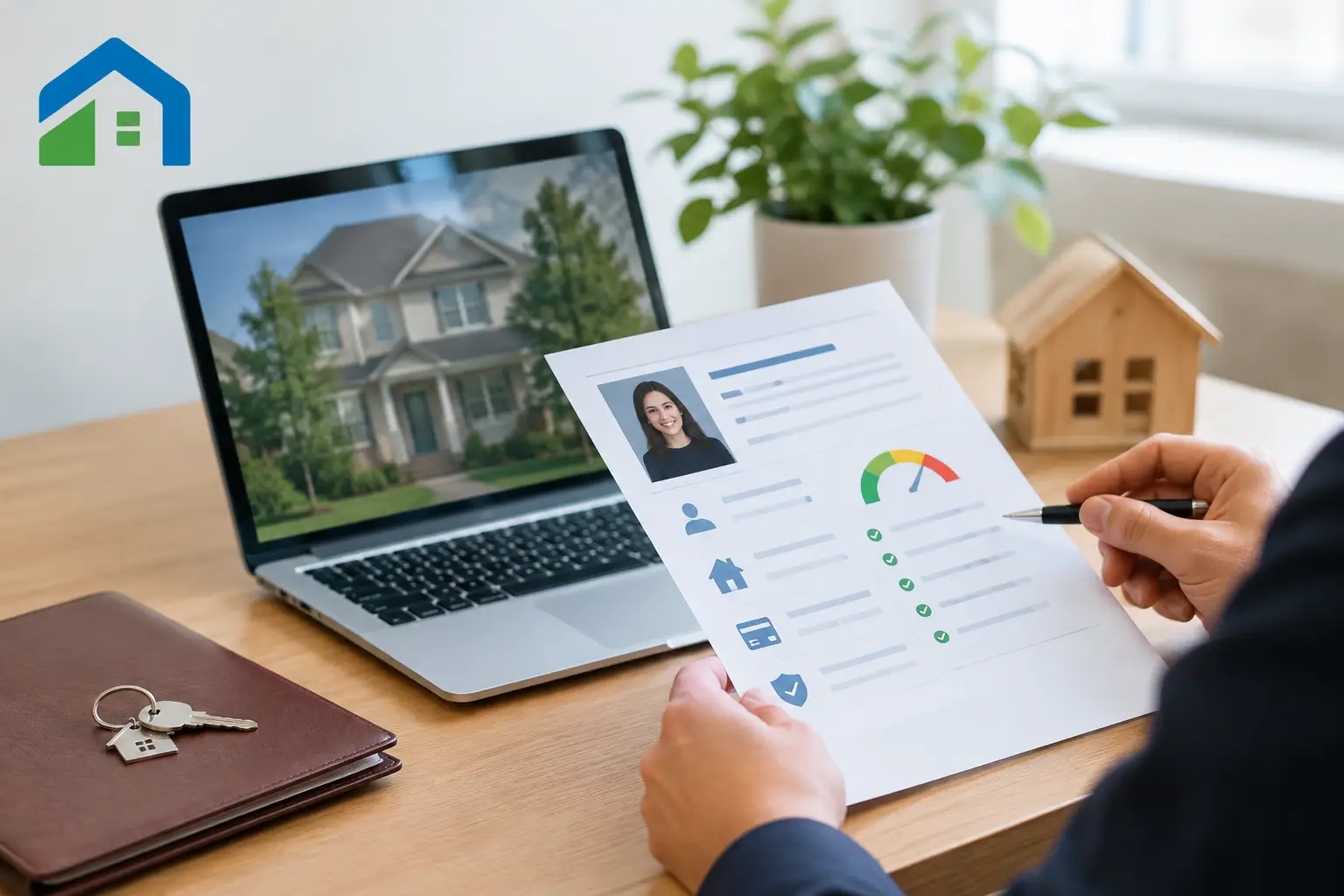
For most professional landlords, a dedicated owner and resident portal is the strongest option. It puts rent reminders, maintenance requests, lease documents, announcements, and message history in one place. Residents know where to go. Owners do not have to chase information across five platforms.
This is usually the best long-term choice because it creates structure. A maintenance request can be submitted with photos, assigned to a vendor, updated in real time, and closed with documentation. That beats a midnight text that says, “Something is wrong with the sink.”
The trade-off is adoption. Some residents still prefer texting, and some owners resist new software at first. But once a portal becomes the standard channel for non-emergency issues, communication gets cleaner and easier to track.
2. Text messaging platforms
Texting is still one of the fastest ways to reach residents, especially for urgent updates. If there is a plumbing shutdown, storm preparation notice, or entry reminder, text gets seen faster than email almost every time.
That said, personal texting from a landlord’s cell phone is rarely a smart system. It blurs boundaries, makes message history harder to manage, and creates problems when team members need access. A business text platform is better because it keeps records, supports templates, and allows communication during office hours without tying everything to one person’s phone.
Text is best for short, time-sensitive communication. It is weaker for detailed back-and-forth, attachments, or anything that may later need formal documentation.
3. Email for formal documentation
Email is not dead. It is still one of the most useful landlord-tenant communication channels for notices, policy updates, lease follow-up, payment plans, and written confirmations after a phone call.
The strength of email is detail. You can explain expectations clearly, attach files, and keep a searchable record. If a tenant says they never received instructions for move-out or utility transfer, email gives you a clean timestamped trail.
The weakness is speed. Many residents do not check email quickly enough for urgent matters. So email works best when paired with another tool, not as the only channel.
4. Maintenance request systems
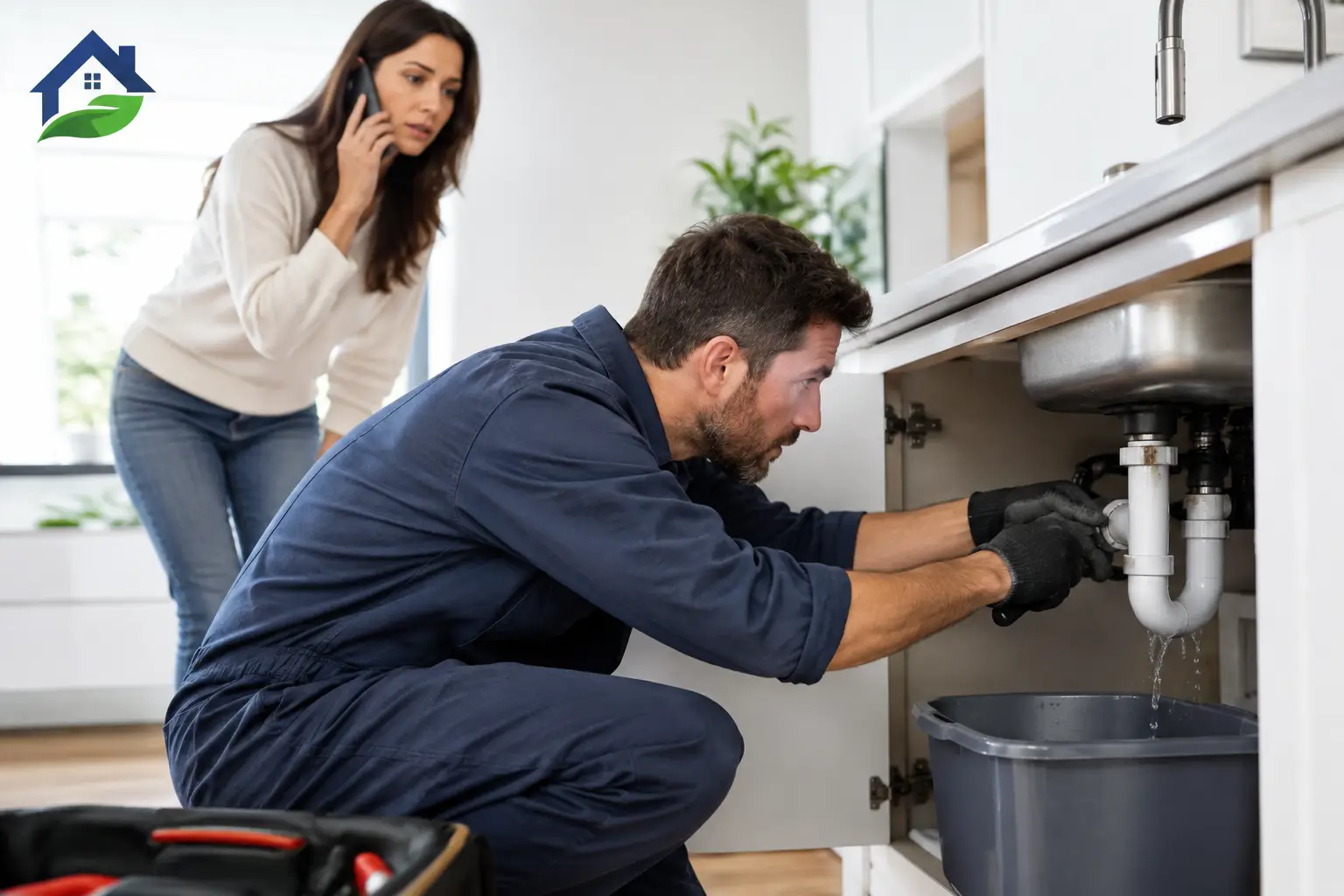
Maintenance is where communication breaks down most often, and where the best landlord tenant communication tools earn their keep. A dedicated maintenance system lets tenants submit issues with photos, categories, priority levels, and unit details. That means fewer vague messages and fewer delays.
This matters for owners because maintenance is not just a service issue. It is an asset protection issue. Water intrusion, HVAC problems, and electrical concerns can get more expensive by the hour. A proper maintenance communication workflow helps you triage emergencies, dispatch vendors, and show that issues were handled responsibly.
The best maintenance tools also close the loop. Residents can see that the request was received, scheduled, and completed. That reduces duplicate messages and frustration.
5. Shared phone systems with call routing
Some tenants still want to call, especially during emergencies or when discussing something sensitive. A shared business phone system gives you a professional way to handle calls without relying on a personal number.
This is especially useful for property management teams or investors with multiple units. Calls can be routed by issue type, recorded when appropriate, and logged for follow-up. If someone reports no air conditioning in a Florida summer, the call should not depend on whether one person happens to be free.
The downside is cost and setup. A phone system is not always necessary for very small portfolios. But once volume increases, it becomes a practical protection against missed calls and inconsistent responses.
6. Lease signing and document-sharing tools
Communication is not only about conversations. It is also about access to the right documents at the right time. Digital document tools help with leases, renewals, notices, inspection forms, and move-in packets.
This reduces friction for both owners and tenants. Residents can review and sign paperwork without printing, scanning, or driving across town. Landlords can store signed documents and retrieve them when questions come up later.
If you manage out-of-area owners or residents relocating into the Tampa Bay market, digital document access becomes even more valuable. It shortens leasing timelines and reduces avoidable delays.
7. Team collaboration tools for internal follow-up
Not every communication tool is tenant-facing, but internal coordination still affects the resident experience. If leasing, maintenance, accounting, and inspections are all working from separate notes, the tenant feels the confusion.
Internal collaboration tools help property managers assign tasks, flag urgent issues, and keep everyone on the same page. They are not a replacement for resident communication platforms, but they support them. A tenant should not have to repeat the same issue to three different people.
For owners, this matters because poor internal communication often shows up as vacancy drag, repair delays, and resident turnover.
8. Multilingual communication support
In many rental markets, including parts of Florida, multilingual communication is more than a nice feature. It helps prevent misunderstandings about rent, maintenance access, lease terms, and emergency procedures.
This can come from translation support inside software, multilingual staff, or standardized templates in multiple languages. The goal is simple – make sure residents understand what is happening and what is expected.
This is one of those areas where cheap shortcuts can backfire. If a message is misunderstood, the issue is not just inconvenience. It can turn into missed appointments, payment confusion, or avoidable disputes.
How to choose the right mix
Most landlords do not need one tool that does everything perfectly. They need a small, disciplined system where each channel has a job. For example, a resident portal can handle routine communication and maintenance, text can handle urgent alerts, and email can handle formal follow-up.
The biggest mistake is letting every tenant choose a different process. One resident texts, another emails, another calls, and another sends social media messages. That feels flexible, but it creates inconsistency, slower response times, and weak documentation.
A better approach is to set expectations early. Tell residents exactly where to submit maintenance, how emergencies are handled, when to expect responses, and where lease documents live. Clear rules reduce frustration because everyone knows the process.
What landlords should prioritize first
If you are improving communication on a budget, start with the tools that directly affect speed and accountability. A resident portal or maintenance request system usually delivers the fastest operational payoff. After that, add a business texting solution and consistent email templates.
Do not buy software just because it looks impressive in a demo. If your team will not use it daily, or if residents find it confusing, it will create more friction than value. The best tool is the one that gets used consistently and supports your workflow without hidden complexity.
For owners who want less day-to-day involvement, this is where professional management can make a real difference. A company like 10starhomes can combine resident communication, maintenance coordination, documentation, and after-hours response under one system, which saves time without adding layers of cost.
Strong communication does not need to be flashy. It needs to be fast, documented, and clear enough that problems get handled before they become losses. That is what protects the property, the tenant relationship, and your rental income.