
A vacant home in Tampa Bay can cost more in a month than a year of management fees. A poorly screened tenant can cost far more. That is why finding the best property management is not about choosing the flashiest promise or the lowest advertised percentage. It is about hiring a team that protects income, responds when problems happen, and gives you a clear view of your investment without turning every decision into another job.
For owners of single-family rentals, condos, multifamily units, vacation properties, and commercial spaces, management should remove operational friction. You should know where your money is going, how your property is performing, and who is accountable when a repair, lease issue, or resident concern needs attention.
What Best Property Management Actually Looks Like
Property management is often treated as a commodity: collect rent, send an owner statement, and call a vendor when something breaks. That approach may be cheap on paper, but it can become expensive when marketing is weak, vacancies drag on, maintenance gets delayed, or tenant communication falls apart.
The best property management companies operate as an extension of the owner. They market the property aggressively, qualify applicants carefully, create enforceable lease processes, collect rent consistently, coordinate repairs, document property condition, and keep records organized. Most importantly, they do the daily work without leaving the owner in the dark.
That does not mean every owner needs the same service model. A long-term rental in Riverview has different operational needs than a vacation rental near the coast or a small retail space. The right manager should understand the property type, local demand, resident expectations, and the regulations that shape your lease and operating decisions.
Start With the Numbers, Not the Sales Pitch
Management pricing deserves close attention, but the lowest number is not automatically the best value. Some companies promote a low monthly rate, then add charges for lease renewals, maintenance coordination, inspections, tenant placement, account setup, notices, or early cancellation. Those fees can make an apparently affordable service far more costly over the life of the rental.
Ask for a complete explanation of the billing structure before signing. You should be able to identify the monthly management fee, leasing fee, renewal fee, maintenance markup, inspection charges, eviction-related administrative costs, and any charge for ending the agreement. If the answer is vague, expect surprises later.
Transparent pricing also makes it easier to measure performance. If your manager helps reduce vacancy, avoids preventable repairs, places a qualified resident, and keeps collections on track, the management cost should make financial sense. If fees are unclear and results are hard to see, the arrangement is working against your return.
A fixed, full-service model can be especially useful for owners who want predictable operating costs. 10starhomes, for example, positions complete management at $49 per month with no hidden upcharges or lock-in contracts. The important point is not simply the price. It is whether the service behind that price covers the work required to protect the asset.
Tenant Screening Is an Income Protection System
A signed lease is not the finish line. It is the beginning of a business relationship that can either support reliable cash flow or create months of disruption. Strong screening is one of the clearest signs that a property manager is focused on the owner’s long-term outcome.
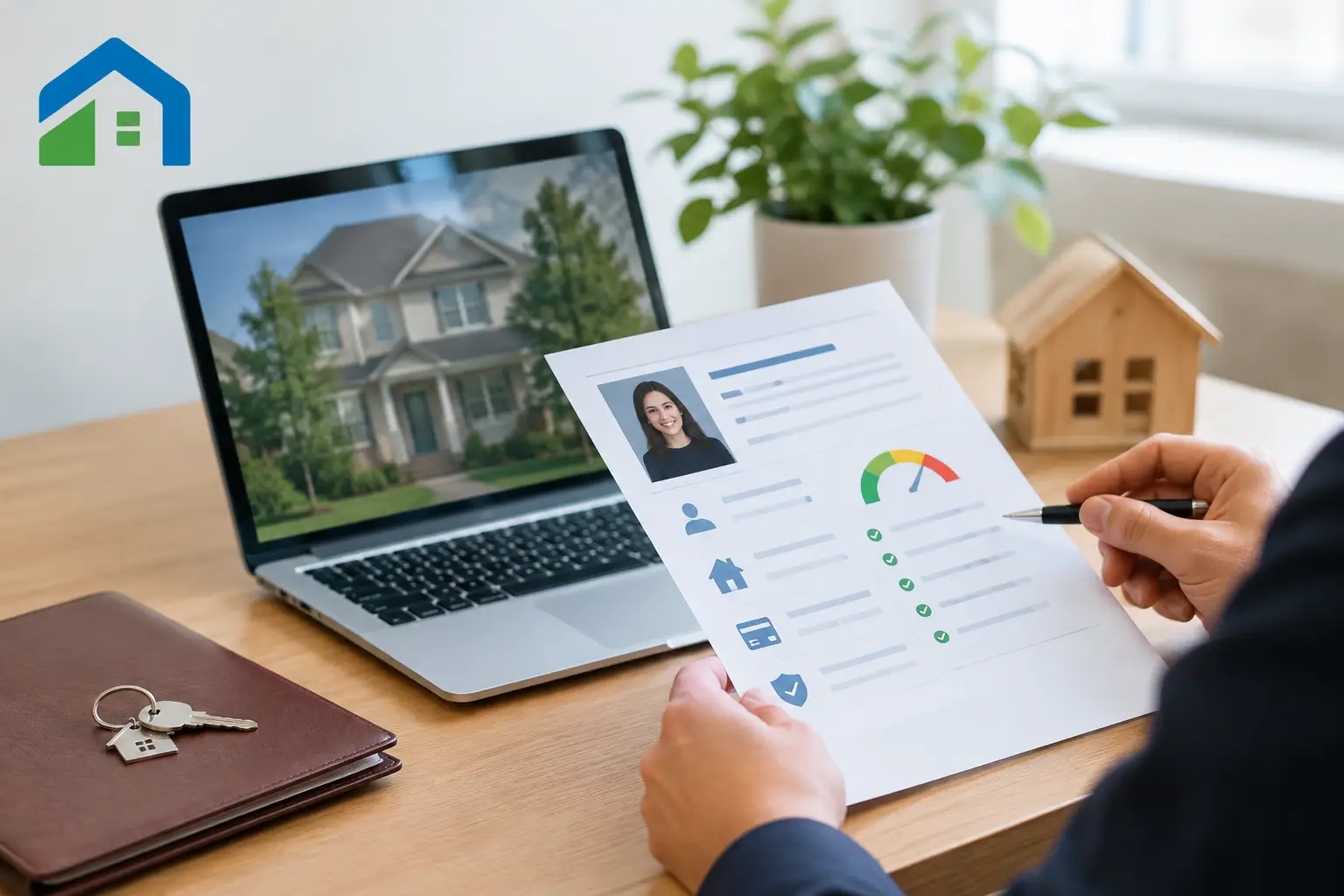
A serious screening process reviews identity, income, rental history, credit profile, and relevant background information within applicable laws. It also applies written criteria consistently. This protects owners from rushed decisions and helps create a fair, repeatable application process for residents.
There is a balance to strike. Screening should be thorough, but a manager must also move with urgency when a qualified applicant is ready. Slow communication and complicated approvals can cause good prospects to rent elsewhere. The goal is not to accept the first applicant. It is to place the right applicant without extending vacancy unnecessarily.
Marketing Must Be Built to Reduce Vacancy
A rental listing with a few dim phone photos and a generic description will not compete well, even in a strong market. Owners should expect professional presentation, accurate pricing guidance, responsive lead handling, and broad exposure where qualified renters are actually searching.
For many properties, 3D virtual tours and clear photography reduce wasted showings while helping out-of-area prospects make decisions faster. Social media promotion and top placement can also help a listing gain attention during a competitive leasing period. These tools are not magic. A property still needs to be clean, priced correctly, and ready for occupancy. But good marketing shortens the distance between vacancy and a signed lease.
Ask a prospective manager how they determine rent. The best answer is not a number pulled from a broad online estimate. It should reflect current competing listings, neighborhood conditions, property features, seasonality, and the cost of waiting for an unrealistic price. Pricing $100 too high can be more damaging than it seems if it adds several weeks of vacancy.
Maintenance Response Protects More Than the Property
Maintenance is where many management relationships are tested. Owners want cost control. Residents need safe, functional housing. A capable manager has to protect both interests by responding quickly, communicating clearly, and documenting the work.
Emergency availability matters because water leaks, HVAC failures, electrical issues, and security concerns do not wait for business hours. A 24/7 response process can limit damage and reassure residents that their concerns will be handled. For an owner who lives out of state or outside the country, that coverage is not a convenience. It is essential oversight.
At the same time, fast service should not mean blank-check spending. Ask how repair approvals work, whether vendors are insured and vetted, and when the manager contacts you for authorization. Minor repairs may need a pre-approved spending limit so delays do not turn a small problem into a major expense. Larger work should come with clear scope, pricing, and documentation whenever circumstances allow.
Reporting Should Answer the Questions Owners Actually Have
You should not have to chase your manager for basic information about rent, expenses, repairs, or lease status. A useful owner portal and consistent financial reporting create accountability. They also make tax preparation, refinancing, and investment planning less painful.
Good reporting shows rent collected, management charges, maintenance costs, reserve balances, unpaid amounts, and supporting invoices. Move-in and move-out reports should document condition with notes and photos, giving the owner a factual record if deposit deductions or damage questions arise.
Technology is valuable when it reduces confusion. Online portals for owners and residents can speed up payments, maintenance requests, applications, and document access. But software is not a replacement for a responsive team. If a resident has an urgent issue or an owner needs an explanation, there should be a real person who takes ownership of the answer.
Compliance Is Not an Optional Add-On
Leasing a property creates legal responsibilities. Fair housing requirements, security deposit rules, notice procedures, habitability standards, licensing considerations, and local ordinances can all affect the way a property must be managed. A casual approach exposes owners to avoidable risk.
Your manager should use current lease documents, maintain consistent procedures, and know when an issue requires legal guidance. They should never promise that problems will disappear instantly. Nonpayment, property damage, and lease violations can still occur. The value of professional management is having a documented process for responding promptly, lawfully, and with the owner’s financial interest in mind.
Questions to Ask Before You Sign
The best property management partner should be comfortable answering direct questions. Ask how quickly they respond to leads and maintenance requests, what screening standards they use, how they price rentals, and what every possible fee looks like. Ask who handles after-hours emergencies, how often inspections occur, and how you receive financial statements.
Also ask what happens if you are unhappy. A no-lock-in agreement can be a meaningful sign of confidence, but only if the transition process is clear and your records, deposits, leases, and tenant communications remain properly organized.
Do not choose based on promises alone. Choose the manager whose process is easy to understand, whose costs are clear, and whose team can explain exactly how they will protect your rent, residents, and property. The right relationship gives you more than fewer phone calls. It gives you the confidence to hold real estate without letting real estate run your life.