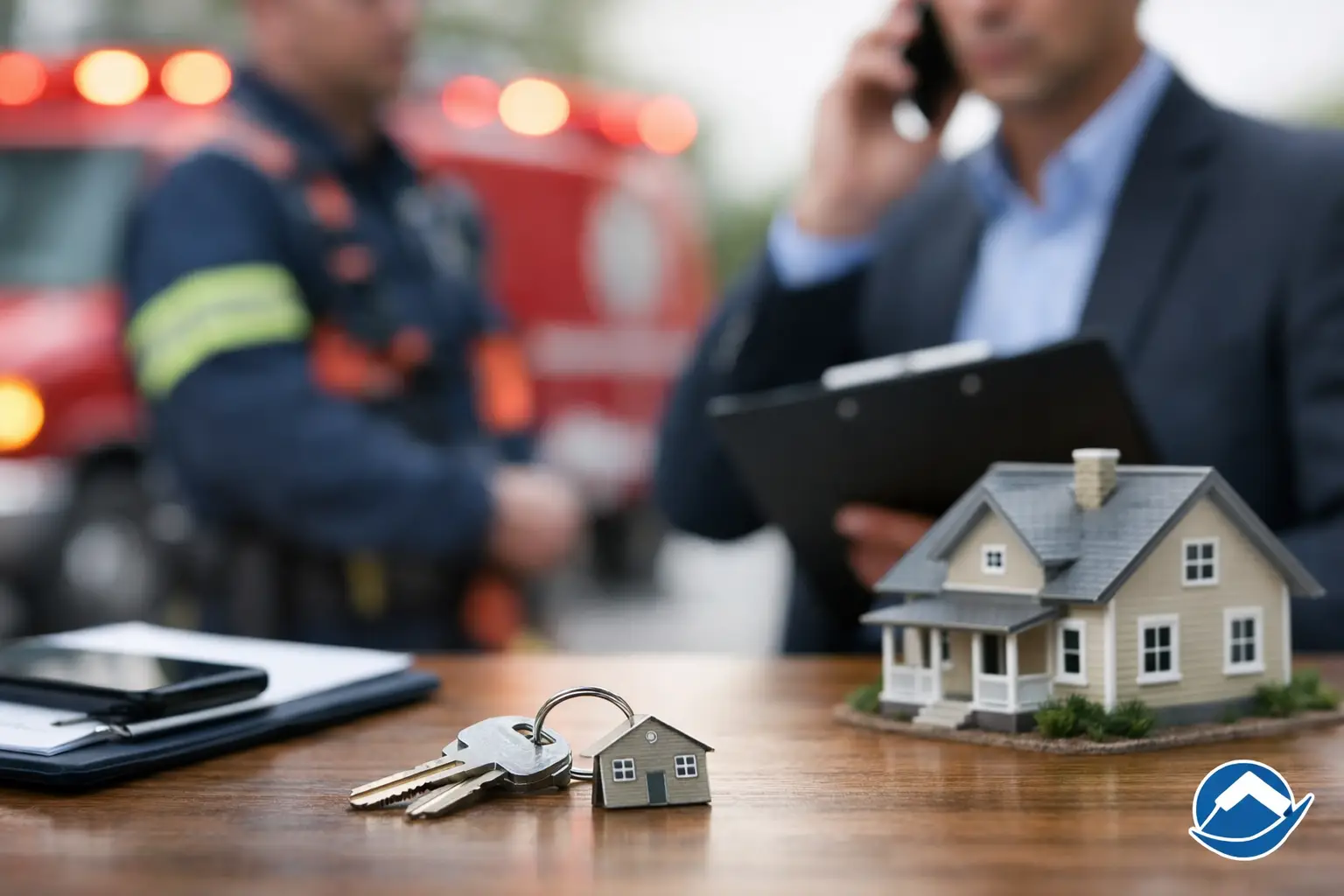

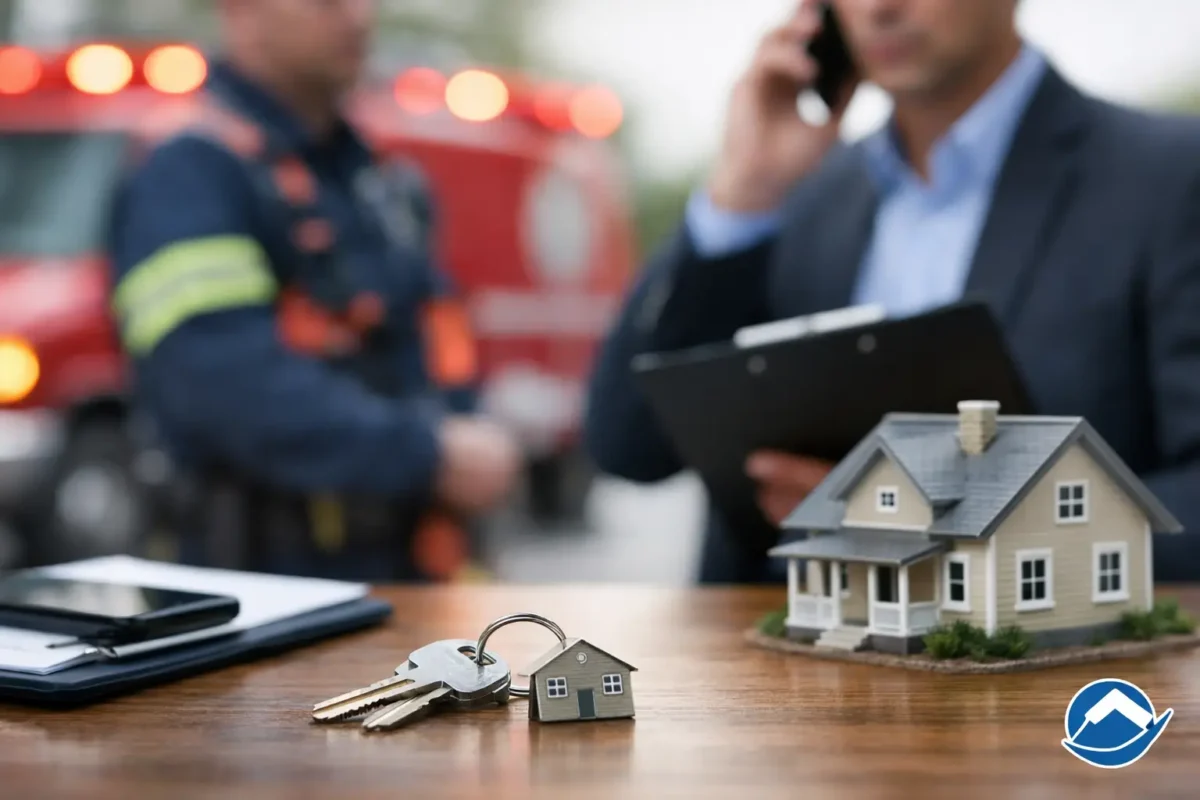
A burst supply line at 2:00 a.m. can damage floors, drywall, cabinets, and the relationship with a good resident before most owners even see the first missed call. Rental property emergency response is not simply answering the phone after hours. It is a clear system for protecting people first, stopping property damage quickly, documenting every decision, and controlling repair costs without leaving residents stranded.
For Tampa Bay owners, the stakes can be even higher. Heavy rain, wind events, humidity-driven HVAC failures, and aging plumbing can turn a minor maintenance issue into a costly claim or a vacancy. The right response plan reduces uncertainty for residents and protects the income-producing asset behind every call.
What Counts as a Rental Property Emergency?
Not every maintenance request needs an immediate dispatch. A dripping faucet, a broken blind, or a dishwasher that needs service should be reported promptly, but these issues can usually wait for normal business hours. Treating every request as an emergency creates unnecessary costs and teaches residents to bypass the standard maintenance process.
An emergency is a condition that presents an immediate threat to health, safety, security, or the property itself. Examples include active water leaks or flooding, fire or smoke, a gas odor, a total power failure that affects safety, a lack of air conditioning during dangerous heat, sewage backup, a broken exterior door or window that leaves the home unsecured, and loss of essential utilities when conditions make the unit unsafe.
There is one critical distinction: life-safety events require emergency services first. If there is fire, smoke, a suspected gas leak, a medical emergency, or an immediate threat of violence, the resident should call 911 or the appropriate utility emergency line before calling property management. A maintenance vendor is not a substitute for first responders.
Why Fast Response Protects More Than the Building
Speed matters, but a controlled response matters more. Sending the wrong vendor to the wrong problem can waste money. Waiting too long on an active leak can multiply restoration costs. A professional system balances urgency with verification.
The first goal is mitigation. Can the resident safely shut off a fixture valve? Is water actively spreading? Is there standing water near electrical outlets? Does the unit need to be secured while a technician is on the way? Small, practical questions at the first contact often determine whether the final invoice is manageable or painful.
The second goal is resident confidence. Good residents do not expect every repair to be completed in minutes. They do expect to know that someone received the report, understands the issue, and has taken action. Silence after an emergency call is where frustration grows, online complaints start, and lease renewals become harder to earn.
The third goal is evidence. Photos, timestamps, written reports, vendor invoices, and records of resident communication create a clean file. That file supports insurance claims, owner decisions, security deposit discussions when damage is resident-caused, and compliance questions later.
A Rental Property Emergency Response Plan That Works
A dependable plan begins before the first call. Owners should not be searching for a plumber during a leak or comparing restoration companies while water enters a unit. Establish the process, authority levels, vendor contacts, and communication standards in advance.
Give Residents Simple Reporting Instructions
Residents need one clear way to report emergencies after hours. Instructions should be easy to find in the lease, resident portal, welcome materials, and emergency notices. They should state what is considered urgent, when to call 911, what information to provide, and what safe steps the resident can take while help is being arranged.
Ask for the unit address, callback number, a short description of the issue, whether anyone is in danger, and photos or video when safe to provide. Visual evidence helps distinguish a slow leak from a burst pipe and an HVAC complaint from a full system outage.
Residents should never be asked to take risks. They should not enter standing water near electrical sources, climb onto roofs, attempt electrical repairs, or remain in a unit that may be unsafe.
Triage the Call Before Dispatching a Vendor
A good triage process identifies severity, immediate safety concerns, and the correct trade. Plumbing, electrical, HVAC, roofing, restoration, locksmith, and pest issues require different response paths. A vague instruction to send someone can create delay when the first vendor is not equipped for the actual problem.
For example, an overflowing toilet in a single-bathroom home generally requires urgent action. A toilet clog in a two-bathroom property may be urgent, but the available second bathroom changes the immediate risk. Similarly, an AC outage in mild weather may allow a next-day repair, while a system failure during extreme Florida heat may call for same-night action or temporary accommodations depending on the conditions and lease obligations.
The point is not to minimize resident concerns. It is to make a fact-based decision that protects habitability and prevents unnecessary premium-rate service calls.
Set Spending Authority Before the Emergency
Owners should decide in writing what a manager may approve without waiting for a callback. After-hours vendors often charge diagnostic and emergency rates, and delays while seeking authorization can worsen damage. A preapproved repair limit gives the management team room to stop an active problem immediately.
That limit should fit the property, the owner’s risk tolerance, and the type of emergency. It may cover a plumber’s callout, a temporary water extraction service, securing a broken door, or an HVAC diagnostic. Major restoration work, replacement decisions, and repairs beyond the agreed amount should trigger owner notification whenever circumstances allow.
Transparency is essential. Emergency response should not become a blank check. The owner should receive a concise update explaining the issue, the action taken, the vendor involved, estimated next steps, and expected costs.
Use Qualified, Insured Vendors
Low-cost emergency work can become expensive if the repair fails, causes further damage, or lacks proper documentation. Vendors should be appropriately licensed where required, insured, reachable after hours, and familiar with occupied rental properties.
The best vendor is not always the one with the lowest initial estimate. Response time, diagnostic skill, communication, and accountability matter when water is spreading or a resident cannot secure the home. Maintaining relationships with proven vendors also improves consistency during severe weather periods, when reliable contractors are in high demand.
Document the Incident From First Call to Final Repair
Every emergency file should show what happened, when it was reported, what the resident was told, who was dispatched, and what the vendor found. Include photos before and after mitigation, invoices, repair recommendations, and any follow-up needed.
Documentation is especially important when the cause may be disputed. A clogged drain caused by a failing line is different from a clog caused by prohibited items. Water intrusion from a storm may require a different insurance path than a leak caused by deferred maintenance. Facts protect owners better than assumptions.
The Most Common Gaps Owners Miss
Many emergency plans fail because they exist only in someone’s memory. The owner has a plumber’s number, the tenant has a lease, and everyone assumes the process will work under pressure. That is not a system.
The common gaps are outdated vendor contacts, no written approval threshold, unclear instructions for residents, missing keys or access codes, and no follow-up after the immediate repair. An emergency may be stabilized overnight, but drying equipment, mold prevention, permanent repairs, insurance reporting, and resident communication can continue for days.
Vacant homes need their own plan. If a pipe leaks in an unoccupied property, there may be no resident to notice it. Smart leak sensors, periodic inspections, seasonal checks, and reliable emergency access can reduce the time between a problem and discovery. For vacation rentals, a fast response matters just as much because a guest disruption can affect upcoming reservations and property reviews.
When Professional Management Makes the Difference
Self-managing a rental can work when an owner is nearby, available, and comfortable coordinating vendors under pressure. It becomes harder when the owner is traveling, managing several units, living out of state, or simply does not want a midnight plumbing call to dictate the next day.
A full-service manager provides the structure that turns an emergency from a scramble into an accountable process: 24/7 intake, vendor coordination, resident updates, documented approvals, and owner reporting. At 10starhomes, that operational coverage is designed to protect the property without layering on hidden maintenance-management fees or locking owners into complicated arrangements.
The value is not just having someone answer the phone. It is having someone who knows what to ask, who to send, what to authorize, and how to keep a short-term emergency from becoming a long-term expense.
Review Your Plan Before the Next Call
Take ten minutes to test the process as if a resident called tonight with water coming through the ceiling. Do they know who to contact? Can the person answering access the property details? Is there a qualified vendor available? Is the spending limit clear? Will the owner receive documentation by morning?
If any answer is uncertain, the plan needs work before the property is under pressure. The best emergency response is rarely dramatic. It is fast, documented, calm, and prepared well before anyone hears water hitting the floor.