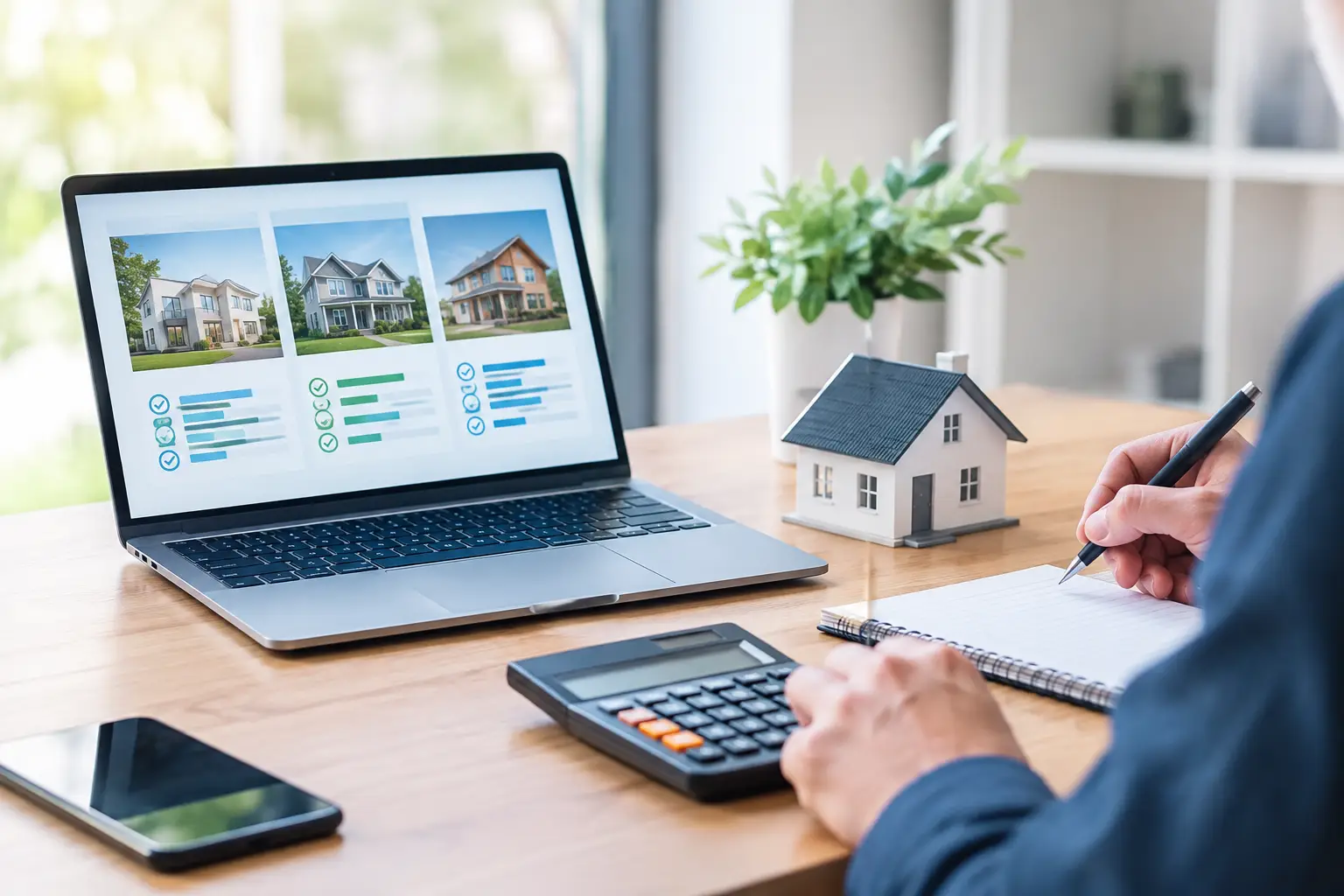
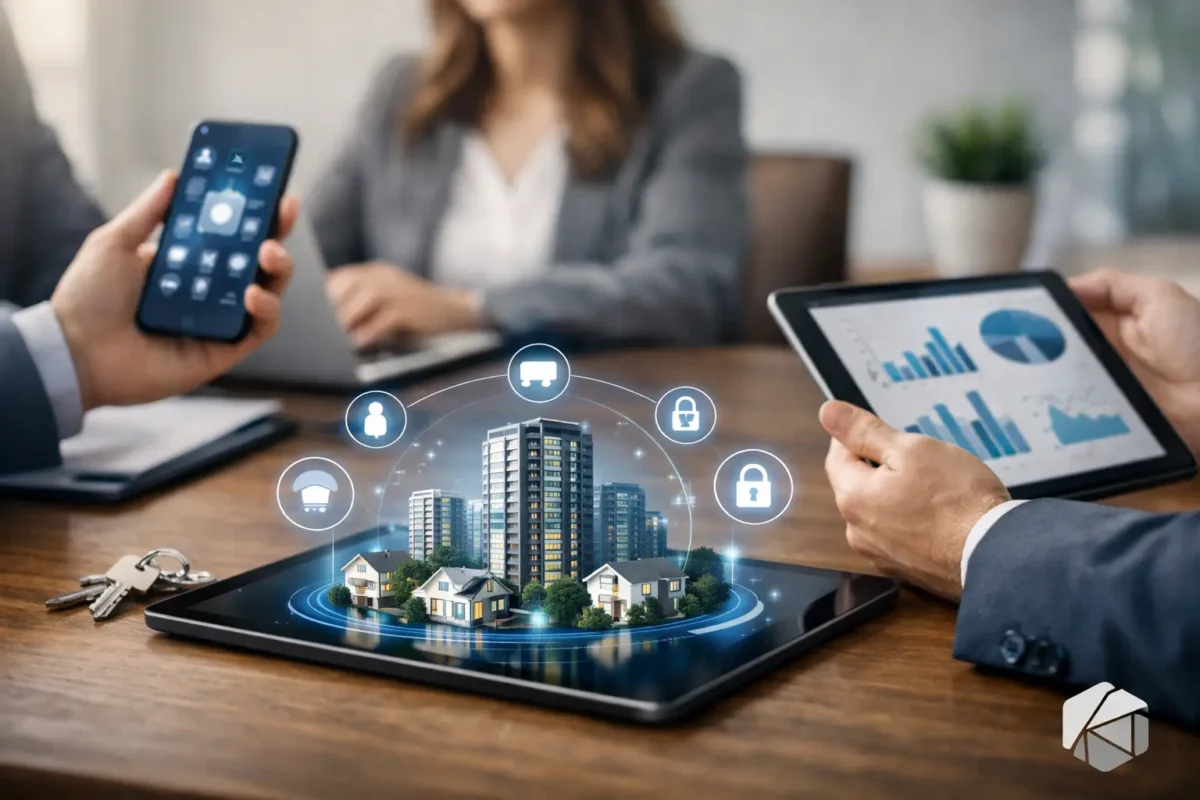
The owners who gain an edge over the next few years will not be the ones chasing every new app. They will be the ones using the right systems to lease faster, respond quicker, document better, and protect cash flow. That is what property management technology trends really come down to – fewer delays, fewer blind spots, and better control over the day-to-day performance of a rental property.
For landlords and investors, especially those managing from out of town, technology is no longer a nice extra. It is now part of basic operational discipline. If your manager still relies on scattered texts, paper invoices, and slow reporting, you are probably losing time and money in ways that do not show up clearly until a vacancy runs long or a maintenance issue gets worse.
The property management technology trends that matter most
A lot of software gets marketed as a breakthrough. In practice, only a handful of changes are making a real difference for owners. The most important property management technology trends are not flashy. They improve leasing speed, tighten communication, reduce error, and make performance easier to measure.
1. Owner and resident portals are becoming the operating center
Portals used to be treated as a convenience feature. Now they are central to how well a property is managed. Owners want a simple way to review statements, track repair updates, confirm lease documents, and see what is happening without waiting for a callback. Residents want to pay rent, submit maintenance requests, and access forms without friction.
This shift matters because speed changes behavior. When residents can report issues quickly, repairs are caught sooner. When owners can view activity in real time, there is less confusion and less back-and-forth. For a busy investor, that means fewer interruptions and better oversight.
The trade-off is that a portal is only as good as the team behind it. Software does not fix poor follow-up. If maintenance requests sit untouched in a dashboard, the technology only makes the delay more visible.
2. Automated leasing workflows are reducing vacancy drag
Every extra day on market costs money. One of the clearest technology trends in property management is the use of automation to tighten the leasing timeline from inquiry to signed lease.
That includes syndicated listing distribution, online applications, self-scheduled showings, digital screening steps, e-signatures, and automated status updates. When these pieces work together, prospective tenants move through the process faster and fewer leads fall out due to slow response times.
For owners, the benefit is straightforward: less downtime and more consistent occupancy. For managers, it also creates a cleaner record of communication and approvals.
Still, automation has limits. A screening system can flag data, but it does not replace judgment. A strong leasing process still needs human review, especially when fair housing compliance, income verification, or unusual applicant circumstances come into play.
3. AI-assisted communication is improving response time
Most landlords do not need artificial intelligence writing poetry. They need it helping answer common questions, routing maintenance requests, and keeping communication moving after hours.
This is one of the fastest-moving property management technology trends because rental operations generate a huge volume of repeat questions. Prospects ask about availability, pet rules, deposits, and showings. Residents ask about rent, repairs, renewals, and move-out procedures. AI tools can help handle first-response communication so leads are not lost and residents are not left waiting.
Used well, this creates a practical advantage. A prospect who gets a quick, accurate reply is more likely to book a showing. A resident who gets immediate confirmation that a maintenance issue was received feels heard.
Used badly, it creates frustration. If the system gives generic or inaccurate answers, people notice fast. This is why owners should look for technology that supports service, not replaces accountability. The best setup blends automation with real human oversight.
Smarter maintenance is becoming a profit issue
Maintenance has always been one of the biggest pressure points in property management. What is changing is how technology helps managers track, document, and prioritize repair work before small issues turn into expensive ones.
4. Mobile maintenance coordination is tightening repair timelines
Repair coordination now happens in real time. Work orders can be submitted with photos, assigned immediately, updated in the field, and closed out with digital invoices and completion notes. That gives owners a clearer chain of documentation and a much faster picture of what is happening at the property.
This matters in a market like Tampa Bay, where weather, humidity, and storm exposure can turn deferred maintenance into larger losses. Water intrusion, HVAC strain, and exterior wear all demand quick action. Mobile-first systems help reduce lag between report, dispatch, and repair confirmation.
The real value is not just convenience. It is control. Owners can see patterns across properties, identify repeat issues, and verify that money is being spent on actual work instead of vague line items.
5. Inspection tech is raising the standard for documentation
Move-in reports, move-out reports, periodic inspections, and renewal condition checks are getting more detailed because the technology makes that easier. Inspectors can now capture timestamped photos, videos, notes, and condition checklists in one workflow.
For owners, that is a major protection tool. Better documentation helps with deposit disputes, maintenance planning, insurance questions, and accountability when property condition changes over time.
This trend also supports remote ownership. If you are based in another city or another country, a clear digital inspection report gives you something much more useful than a quick verbal update. You can actually see the condition of the asset.
There is one caution here. More data does not automatically mean more insight. A 100-photo report is only helpful if it is organized well and tied to action. Strong operators use inspection technology to make decisions, not just to create files.
Data is getting more useful for owners
One reason many landlords feel in the dark is that they receive accounting after the fact, with little explanation and limited visibility into trends. That is changing as reporting tools get better.
6. Real-time reporting is replacing month-end guesswork
Owners increasingly expect current information, not just end-of-month statements. They want to know what has been collected, what is outstanding, what repairs are open, how marketing is performing, and whether a renewal is in motion.
This is one of the most practical property management technology trends because it changes how owners make decisions. If leasing activity is soft, pricing can be adjusted sooner. If maintenance costs spike, the pattern can be reviewed before the budget gets away from you. If delinquency starts rising, collection steps can begin earlier.
Transparency matters here. Good reporting should make the business easier to understand, not harder. Clean dashboards and plain-language financials are often more valuable than a complicated system full of charts nobody uses.
7. Fraud prevention tools are becoming essential
As applications, payments, and leasing move online, so do fraud risks. Fake pay stubs, manipulated IDs, chargeback issues, and identity mismatches are becoming more common across the rental industry.
That is why verification technology is gaining traction. Screening systems now look more closely at document consistency, payment behavior, identity signals, and application anomalies. Payment platforms also add controls that reduce manual handling and improve tracking.
For owners, this is not just an admin issue. It is an asset protection issue. One bad tenancy decision can lead to missed rent, legal costs, property damage, and extended vacancy.
Technology helps, but it should not create false confidence. Screening is strongest when digital tools are paired with a disciplined review process and consistent policies.
What owners should actually do with these trends
You do not need a stack of expensive software to benefit from these changes. What you need is a management approach built around speed, documentation, and visibility. If the tech helps fill vacancies faster, collect rent more reliably, coordinate repairs more clearly, and keep you informed without extra effort, it is doing its job.
That also means asking better questions. Can you see repair status without chasing updates? Are inspections documented in a way that protects you? Is leasing moving quickly enough to reduce vacancy loss? Can residents communicate easily in the channels they actually use? Can financial reporting help you make decisions, not just review history?
For many owners, the biggest shift is not the software itself. It is the expectation that property management should be measurable. Results should be visible. Communication should be traceable. Costs should be documented. Problems should not disappear into a phone call and reappear as a surprise on your statement.
A company like 10starhomes uses technology the right way when it supports what owners already care about most – lower friction, clearer reporting, faster response, stronger protection, and better rental performance without extra layers of cost. That is where the market is heading, and owners who expect that standard will be in a much stronger position.
The smartest move now is not to chase every new platform. It is to make sure the systems behind your properties are helping you lease faster, document better, and stay in control when small issues still have time to stay small.