
A repair call at 9:30 p.m. can be a minor inconvenience or the start of a major expense. The difference usually comes down to process. Knowing how to manage rental repairs means responding quickly when safety or property damage is at stake, making sound decisions before costs escalate, and keeping residents informed without letting every maintenance request become an owner emergency.
For rental owners, repairs are not optional operating costs. They are part of protecting the asset, retaining good residents, meeting habitability responsibilities, and preventing a $200 issue from becoming a $2,000 one. The goal is not to spend the least possible on every repair. It is to spend wisely, document clearly, and act at the right speed.
Start With Repair Triage, Not a Blind Approval
Every maintenance request should be sorted before a vendor is dispatched. Residents need a simple way to report issues, ideally with photos, video, the exact location, and a brief description of what happened. A report that says “leak” could mean a dripping faucet, a slow stain under a sink, or water moving through a ceiling. Those require very different responses.
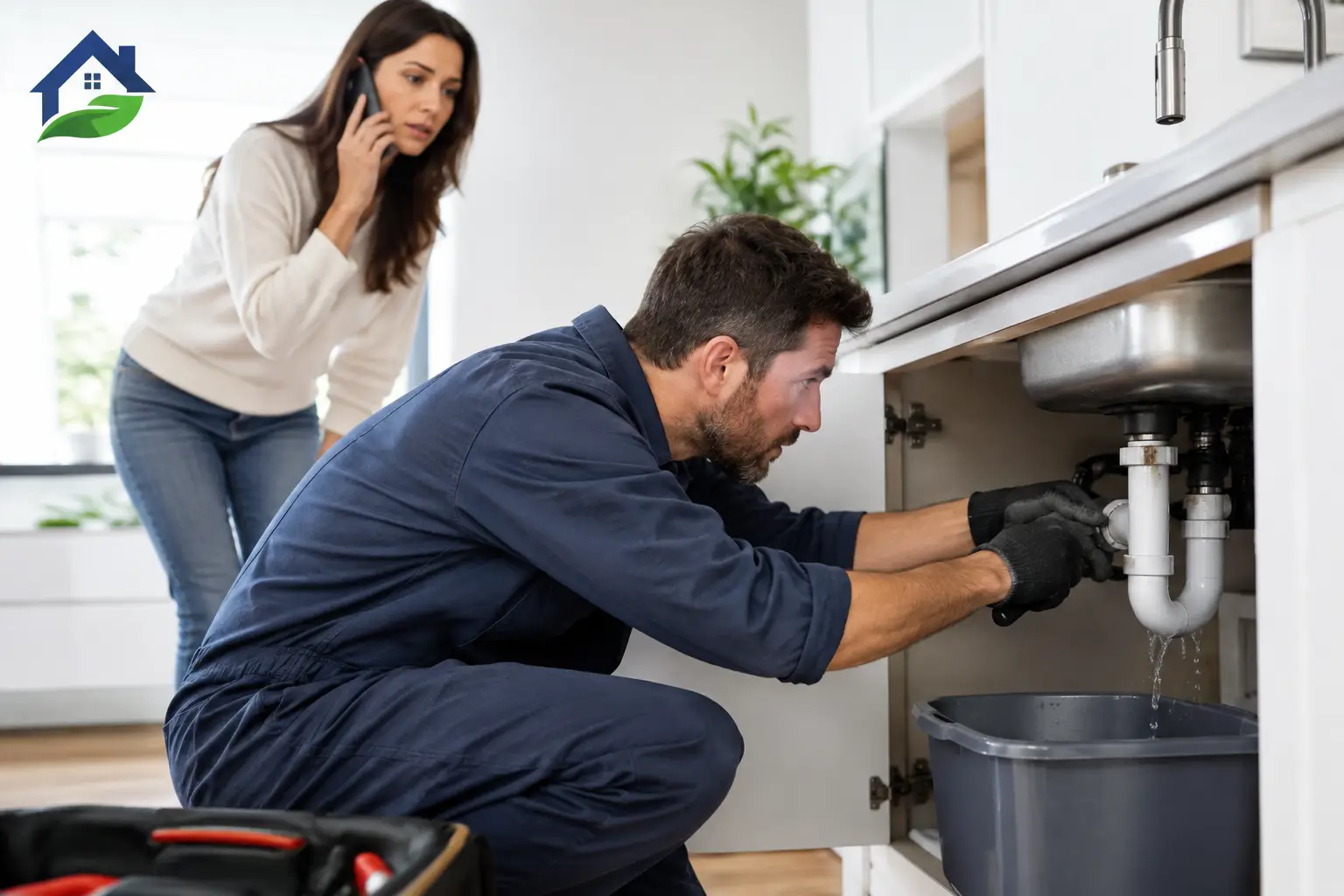
Emergency repairs come first. Active flooding, fire or smoke hazards, a gas smell, electrical sparking, loss of essential utilities in unsafe conditions, broken exterior access points, and major sewage backups need immediate attention. Waiting for multiple estimates during an active emergency can multiply damage and create avoidable liability.
Urgent but non-emergency items should be addressed promptly, usually within the next business day or as conditions require. Examples include a failing air conditioner during a Tampa Bay heat wave, a refrigerator that has stopped cooling, a toilet that is unusable when there is only one bathroom, or a roof leak that is not actively flooding the home.
Routine work can be scheduled efficiently. Dripping faucets, loose cabinet hardware, minor drywall damage, and cosmetic concerns still deserve a response, but they do not need an after-hours dispatch. Clear categories prevent residents from feeling ignored while helping owners control unnecessary emergency-call costs.
Set Clear Approval Rules Before Repairs Happen
The fastest repair process is one where no one has to chase an owner for permission on a $175 plumbing visit. Establish a written maintenance approval limit at the beginning of the management relationship. Below that amount, the manager can authorize qualifying repairs after confirming the issue. Above it, the owner receives an estimate, repair recommendation, and supporting photos whenever practical.
There are exceptions. Emergencies should be authorized as needed to stop damage, protect occupants, or secure the property. A manager who pauses to seek approval while water runs through a unit is not saving money. They are allowing the invoice to grow.
Your approval rules should also identify which decisions always need owner input. Large replacements, insurance-related work, renovations, appliance upgrades, and repairs that could materially affect rent readiness should not be treated like ordinary service calls. The point is simple: give your operations team enough authority to act quickly, but preserve your control over capital-level decisions.
For owners with several properties, consistency matters. A standard approval threshold and a clear emergency policy reduce back-and-forth, simplify accounting, and make repair decisions easier to review month after month.
Use Reliable Vendors, Then Hold Them Accountable
The lowest estimate is not always the lowest cost. A cheap vendor who misses appointments, fails to diagnose the actual problem, or creates a second repair call can cost more than a qualified technician with a fair rate. Rental maintenance depends on speed, access, communication, workmanship, licensing where required, and insurance coverage.
Build a vendor network that covers the work your properties actually need: plumbing, HVAC, electrical, roofing, appliance repair, locksmith services, water mitigation, pest control, landscaping, cleaning, and general turns. In Florida, storm preparation and post-storm response should also be part of the plan. A vendor who is reliable during normal weeks but unavailable after severe weather is not enough for a serious rental portfolio.
Ask for detailed scopes when a repair is more than a basic service call. “Replace damaged section of drywall and paint” is not as useful as a description that identifies the cause of the damage, the affected area, materials, labor, and whether the underlying moisture issue has been corrected. Detailed invoices make it easier to compare work, dispute mistakes, document expenses, and plan future replacements.
Vendor accountability also means checking results. Confirm the work was completed, collect before-and-after photos where appropriate, and follow up with the resident. A closed work order should mean the issue is resolved, not merely that someone visited the property.
Communicate With Residents Like the Repair Matters
Residents do not expect every request to be fixed instantly. They do expect to know that someone received the request, understands the urgency, and is taking action. Silence is what turns a manageable repair into frustration, negative reviews, missed access appointments, or lease-renewal resistance.
A strong maintenance process gives residents clear instructions for emergencies and routine requests. It also tells them what to do while they wait. For example, a resident reporting a small leak may need to stop using a fixture, place a container under the drip, and move belongings away from the affected area. They should never be asked to perform repairs beyond simple, safe damage-control steps.
Keep communication factual. Tell the resident when a vendor has been assigned, the expected appointment window, and whether access is needed. If a part is backordered or a second visit is required, explain that early. Most residents are reasonable when they are kept informed and the property is being actively managed.
This communication also protects owners. Written records show when the issue was reported, what action was taken, when the vendor attended, and how the repair was completed. That timeline is valuable if questions arise later about damage, habitability, charges, or resident responsibility.
Determine Responsibility Before Charging Anyone
Not every repair belongs on the owner’s ledger. Normal wear, aging systems, and ordinary failures are generally ownership expenses. Resident-caused damage may be chargeable, but only when the facts support it and the lease, inspection records, and applicable law allow it.
Avoid assumptions. A clogged drain could be caused by misuse, but it could also be a plumbing defect farther down the line. A broken blind may be accidental wear, a pre-existing issue, or resident damage. Photos from move-in, maintenance notes, vendor findings, and move-out inspections are what make the difference.
When resident responsibility is clear, communicate the charge professionally and provide documentation. Do not use maintenance billing as a profit center or a shortcut for resolving uncertainty. Fair treatment encourages better resident relationships and produces more defensible records.
Prevent Repairs During Inspections and Turns
The most affordable repair is often the one caught before it becomes urgent. Scheduled inspections help identify small leaks, damaged caulking, roof concerns, failing seals, pest activity, loose handrails, and HVAC issues before they disrupt a tenancy. They also reveal whether residents are caring for the home and reporting problems early.
Turn periods are especially valuable. An empty property gives you access to complete work that is difficult to schedule during an occupied lease. Inspect appliances, drains, smoke and carbon monoxide alarms where installed, window locks, screens, doors, flooring, paint, plumbing fixtures, and HVAC filters. Addressing deferred items during a turnover can reduce maintenance calls from the next resident and support a stronger move-in experience.
Preventive maintenance does require upfront spending, and not every upgrade produces an immediate return. Still, replacing a failing water heater before it leaks, servicing an aging HVAC system before peak summer, or repairing roof flashing before storm season can protect cash flow far better than a reactive approach.
Track Every Repair as a Business Decision
A maintenance log should capture the date reported, issue type, urgency, property, vendor, cost, photos, resident communication, repair outcome, and any charge-back decision. Good records are not administrative clutter. They show which properties are draining cash, which systems are nearing replacement, and which vendors consistently deliver value.
Review the data at least quarterly. If one home has repeated plumbing calls, look beyond the latest invoice. If an appliance requires multiple service visits in a year, replacement may be cheaper than continued repair. If a resident repeatedly reports preventable damage, documentation gives you a clearer basis for addressing the pattern at renewal or move-out.
For out-of-area owners, transparent reporting is essential. You should be able to see what was approved, why it was necessary, what it cost, and whether the work was completed. Repair management should reduce surprises, not create them.
How to Manage Rental Repairs Without Losing Time
Owners can manage repairs themselves, but the real cost is often time and availability. Calling vendors, coordinating access, reviewing estimates, handling midnight emergencies, following up on incomplete work, and maintaining records can quickly become a second job. That burden grows with each additional door.
A professional property manager can provide the system: 24/7 emergency response, resident communication, vendor coordination, approval controls, inspection reporting, and transparent maintenance records. At 10starhomes, the focus is straightforward: protect the property, keep residents supported, and give owners clear visibility into every maintenance decision without burying them in daily calls.
The right repair process does more than fix what broke. It protects resident trust, prevents small issues from becoming expensive claims, and keeps your rental operating like the investment it is.