A rental that sits vacant for a month is not affordable for anyone. The owner loses income, the next resident loses an option, and the market absorbs one more unit that may return at a higher price to make up the difference. Housing affordability is often discussed as a buyer problem or a policy problem, but rental operations have a direct effect on what residents pay and what owners can realistically earn.
For Tampa Bay property owners, the practical question is not whether costs matter. They do. The question is how to run a rental efficiently enough to keep it competitive without sacrificing property condition, resident quality, or long-term returns.
Housing Affordability Is a Rental Operations Issue
A resident’s monthly rent is only one part of affordability. They also face application costs, deposits, utility bills, moving expenses, renter’s insurance, late fees, and the risk of sudden maintenance problems disrupting their household. When a home is poorly managed, residents often pay in ways that never appear on a listing.
Owners face their own version of the same pressure. Mortgage payments, insurance premiums, taxes, repairs, association fees, turnover work, and management costs all shape the rent required to make a property viable. If those expenses climb without better performance, an owner may feel forced to push rents beyond what the local market will support.
That is why the lowest advertised rent is not automatically the best value, and the highest rent is not automatically the best investment strategy. A well-run rental creates value through predictability: clear expectations, fewer surprise expenses, timely repairs, accurate accounting, and a home residents want to keep.
Price for the Market, Not for a Perfect Scenario
The fastest way to damage rental income is to price a property based on hope. An owner may see one high-priced listing nearby and assume their property should command the same number. But asking rent only matters if qualified residents are willing to apply, lease, and renew at that price.
Market-based pricing starts with comparable homes, but it cannot stop there. Condition, location, bedroom count, outdoor space, parking, pet policies, school access, utilities, and lease terms all influence real demand. A recently updated single-family home may justify a premium. A unit with dated finishes or limited parking may need sharper pricing to avoid extended vacancy.
The right price also depends on the owner’s objective. An investor focused on immediate cash flow may accept a slightly lower rent to secure a well-qualified resident quickly. An owner with a unique or high-demand property may have room to test a higher rate. Neither approach is universally right. The key is making the choice with current market evidence, then adjusting quickly when activity does not support the asking price.
A modest reduction after two weeks of weak response can be far less costly than holding out for another month. Vacancy has a price, and it should be calculated before a listing goes live.
Strong Marketing Protects Both Rent and Occupancy
Housing affordability improves when good homes are easy for qualified residents to find. Poor photos, incomplete listing details, delayed responses, and inconvenient showings reduce the applicant pool. That leaves owners choosing between a long vacancy and accepting an applicant they would otherwise decline.
Professional photos, accurate descriptions, broad listing exposure, and virtual tours help residents make informed decisions before scheduling a showing. Clear information about rent, deposits, pet policies, and qualifications also prevents wasted time on both sides. Transparency is not just a customer service feature. It is a vacancy-control tool.
Lower Operating Costs Without Cutting Corners
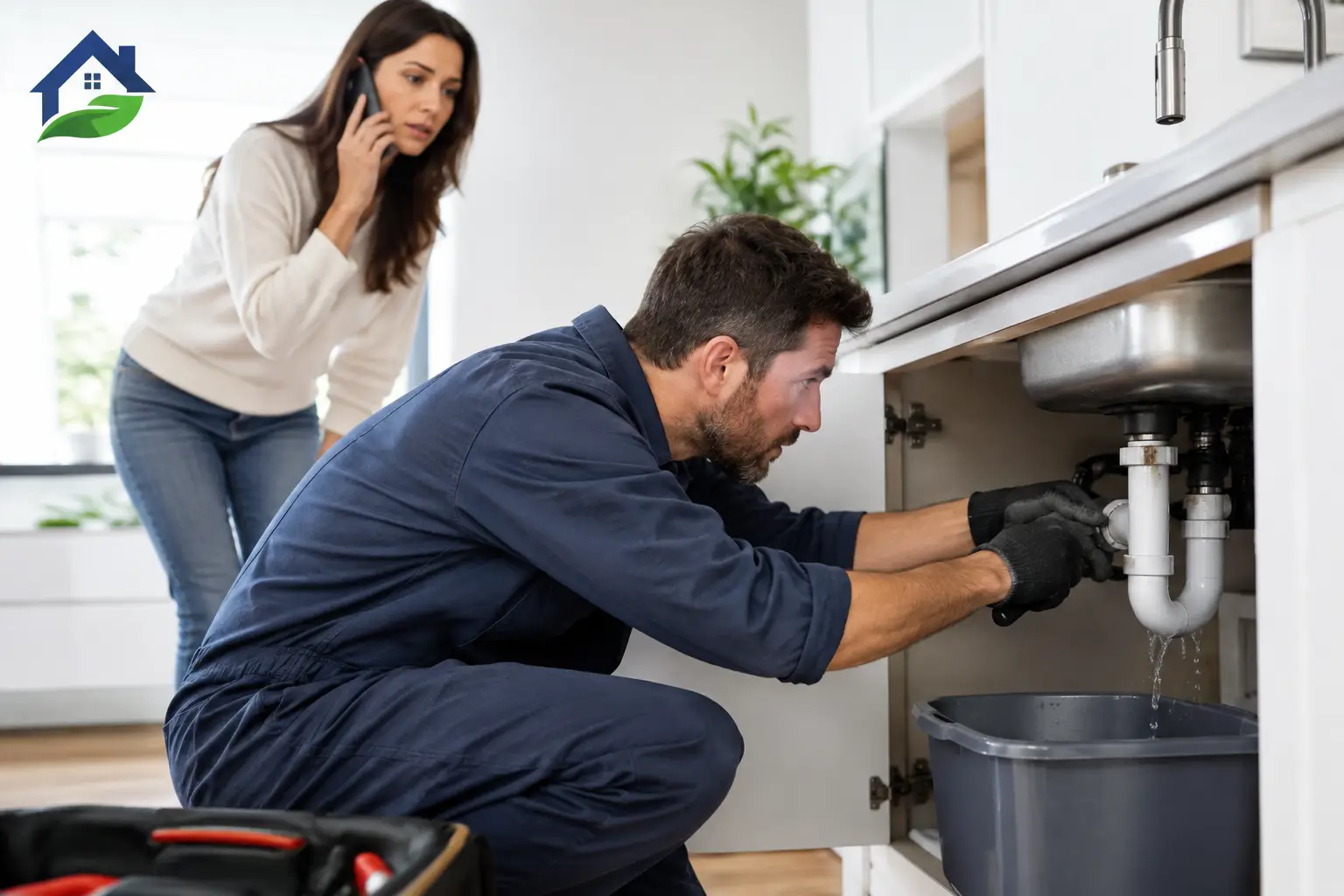
Some owners try to improve affordability by deferring maintenance or choosing the cheapest possible service provider. That usually creates a more expensive problem later. A slow roof leak becomes drywall damage. An ignored drain issue becomes a plumbing emergency. A resident who cannot get a reasonable repair response may decline to renew, even if the rent is fair.
The better approach is controlled maintenance. This means documenting property condition, responding to legitimate repair needs promptly, using qualified vendors, approving work with clear cost visibility, and addressing small issues before they become major capital expenses. It also means distinguishing between urgent repairs, routine requests, and resident-caused damage under the lease.
Preventive work deserves special attention in Florida rentals. Air conditioning performance, moisture control, roofing, drainage, storm preparation, and pest prevention can affect habitability and retention quickly. These are not optional extras when the goal is stable occupancy and asset protection.
Lower management fees can also matter, provided the service is complete and accountable. Owners should know exactly what they are paying for, whether maintenance coordination carries markups, and how charges will appear in their statements. Transparent billing helps owners control expenses without losing the operational support that keeps rentals performing.
Good Screening Supports Fair, Stable Tenancies
Affordable housing does not mean eliminating qualification standards. Owners still need residents who can meet lease obligations and care for the property. Weak screening can lead to unpaid rent, property damage, costly legal action, and turnover expenses that ultimately place more pressure on future rent levels.
The goal is consistent, lawful screening based on clearly stated rental criteria. Income verification, rental history, credit considerations, identity verification, and appropriate background checks should be handled the same way for every applicant. Consistency protects owners, treats applicants fairly, and reduces avoidable disputes.
A strong resident is not simply the applicant with the highest income or best-looking application. Reliability, verifiable history, responsiveness, and a realistic ability to pay all matter. When owners use a disciplined process instead of making rushed decisions during a vacancy, they are more likely to secure a tenancy that lasts.
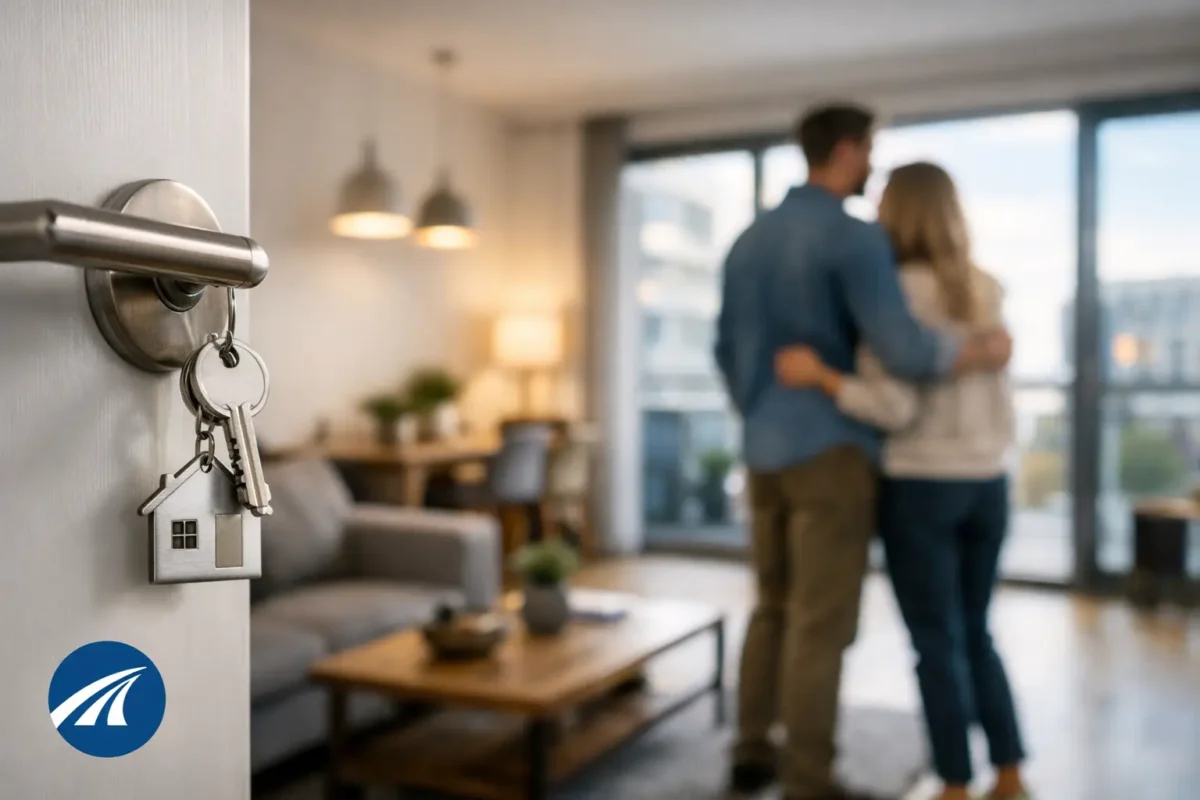
Longer tenancies are one of the most practical affordability wins available. Every avoided turnover saves money on cleaning, repairs, advertising, vacancy, and leasing work. Those savings help owners stay competitive at renewal rather than automatically increasing rent to recover a costly move-out.
Clear Communication Keeps Small Problems Small
Residents are more likely to renew when they know what to expect. That includes knowing how to pay rent, report maintenance, request permission for pets or occupants, receive notices, and reach someone during a genuine emergency. Confusion creates frustration, and frustration often becomes turnover.
For owners, reliable communication means they should not have to chase updates on leasing activity, repair approvals, financial statements, or property condition. An effective management process gives both parties access to the right information without forcing either side into constant phone calls.
Multilingual communication can be especially valuable in a diverse rental market. Residents should be able to understand key lease expectations and maintenance instructions. Clear communication does not replace legal documentation, but it can prevent misunderstandings that lead to unnecessary costs and conflict.
What Owners Can Do Now to Improve Housing Affordability
Start with an honest review of each rental’s total monthly cost. Include fixed expenses, average maintenance, vacancy assumptions, turnover costs, and management fees. Then compare that number with realistic market rent, not an aspirational listing price. If the math only works at a rent the market will not support, the issue may be the cost structure rather than the resident.
Next, review the resident experience. Is the property clean, safe, and properly maintained? Are listing details accurate? Are applications reviewed promptly? Can residents report repairs easily? A home does not need luxury finishes to compete, but it does need to be functional, professionally presented, and managed with respect.
Finally, treat retention as a financial strategy. Reasonable renewal conversations, responsive maintenance, fair lease enforcement, and proactive inspections can protect income better than chasing the highest possible new-lease rent every year. The best rental performance often comes from fewer disruptions, not more aggressive increases.
10starhomes approaches management with that operational reality in mind: owners need transparent costs and dependable execution, while residents need a well-maintained home and clear support. Those goals are not in conflict when the property is managed with discipline.
A rental property does not have to be the cheapest option in the neighborhood to contribute to a healthier market. It needs to deliver honest value. When owners control avoidable costs, price with evidence, maintain homes promptly, and retain good residents, they build a rental business that can hold up for both sides of the lease.