
A vacant commercial suite costs more than lost rent. It can mean broker fees, concessions, build-out negotiations, utility expenses, and months of uncertainty. The right commercial tenant amenities give tenants a practical reason to stay, help your property compete for quality businesses, and support more reliable income without turning every renewal into an expensive renovation project.
For commercial owners, the goal is not to copy every feature at a new Class A development. The goal is to choose amenities that solve real operating problems for the tenants your building is designed to serve. A medical office, neighborhood retail center, warehouse, and professional office building need very different things. Smart spending starts there.
What Commercial Tenants Actually Value
An amenity is not simply a lounge, a coffee machine, or a polished lobby. It is anything that makes a tenant’s business easier to run, safer for employees and customers, or more appealing to the people they need to attract.
That means the highest-value improvement is often basic but well executed. Reliable air conditioning, clean common areas, safe parking, clear exterior signage, fast repairs, and dependable internet access can matter more to a small business than a flashy shared workspace. When those essentials fail, tenants notice immediately. When they work consistently, they become part of the reason a tenant renews.
Owners should also distinguish between a building amenity and a tenant-specific improvement. Building amenities serve multiple occupants and can strengthen the property as a whole. Tenant improvements are usually customized for one business and should be handled carefully through the lease, allowance, and renewal terms.
Start With the Property and Tenant Profile
Before approving an upgrade, look at who is already in the building and who you want to lease to next. A retail plaza with frequent customer traffic needs easy access, visibility, and a clean, secure customer experience. An office building may benefit more from dependable connectivity, flexible meeting space, and comfortable common areas. Industrial users may place greater value on loading access, lighting, security, and truck circulation than on decorative upgrades.
In the Tampa Bay market, weather resilience is also part of the tenant experience. Effective drainage, maintained parking areas, exterior lighting, storm preparation, and responsive post-storm communication are not glamorous features, but they protect business continuity. For a tenant trying to keep doors open after severe weather, that level of management can carry more weight than a cosmetic perk.
Ask practical questions before you spend: Does this improvement help tenants make money, serve customers, recruit staff, or avoid downtime? Will several tenants use it? Can it support a higher asking rent, reduce concessions, or improve renewal odds? If the answer is unclear, the upgrade may be more expense than investment.
Commercial Tenant Amenities With Clear Business Value
Reliable maintenance and fast response
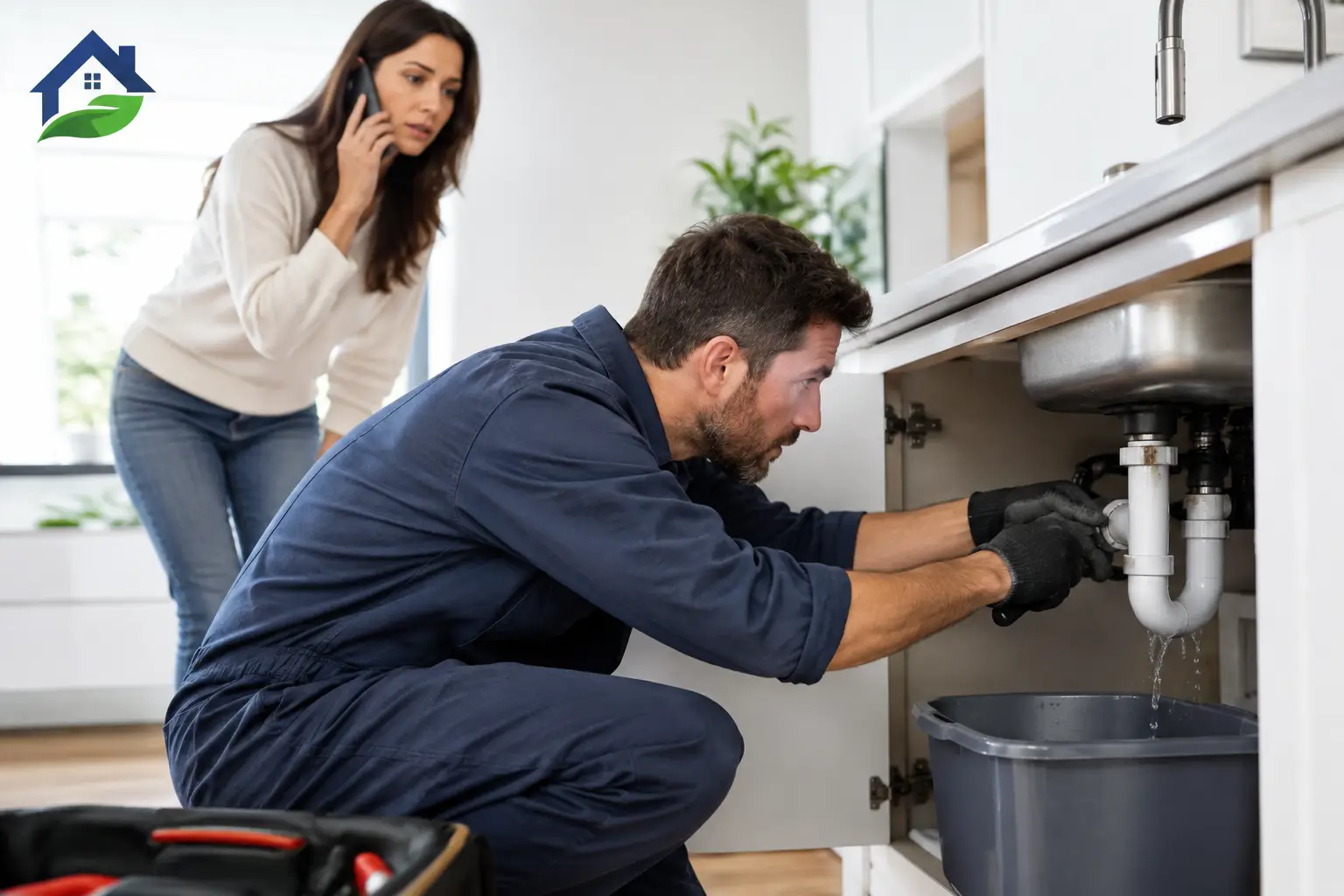
For many commercial tenants, responsive maintenance is the most valuable amenity they receive. A leaking roof, failed HVAC unit, broken exterior light, or damaged entry door can disrupt employees and customers immediately. Delayed action creates frustration, business losses, and a reason to start looking at other locations.
A documented maintenance process protects the owner as well as the tenant. Tenants should know how to submit requests, what qualifies as an emergency, and when they can expect an update. Vendors should be qualified, insured, and held to reasonable service standards. The cost of organized maintenance is usually far lower than losing a stable tenant because a preventable issue was allowed to linger.
Parking, access, and visibility
Parking is often a lease decision, especially for medical, retail, restaurant, and service tenants. Well-marked spaces, maintained pavement, accessible routes, good lighting, and clear directional signage make the property easier to use. They also reduce avoidable complaints and liability exposure.
Visibility matters just as much for customer-facing businesses. An attractive monument sign, consistent directory signage, trimmed landscaping, and a clean entry can improve a tenant’s daily traffic without changing the suite itself. Before investing, confirm local sign rules, existing tenant rights, and whether the improvement benefits the center broadly rather than one occupant alone.
Internet and building technology
Reliable high-speed internet is no longer a premium feature for most office and service businesses. It is core infrastructure. Owners do not necessarily need to become an internet provider, but they should understand available service options, building wiring, backup capabilities, and any access barriers that slow down a tenant’s installation.
Technology can also improve operations in less visible ways. Online maintenance requests, digital payment options, access-control systems, security cameras in appropriate common areas, and electronic lease records create convenience while improving documentation. The right tools reduce administrative friction. The wrong tools create monthly costs without solving a tenant problem, so avoid paying for platforms that no one will actually use.
Shared spaces that match demand
Common-area amenities work best when they fit the tenant mix. A modest conference room can be useful in a professional office building with small firms that occasionally meet clients. Shaded outdoor seating may benefit a mixed-use or retail setting. A package area or secure bike storage may make sense where employees are present all day.
These features require management, not just installation. Someone must keep them clean, set rules, handle reservations where needed, and address damage. If the property cannot support that ongoing attention, a simpler improvement may produce a better return.
Security and a well-kept environment
Security is both a physical condition and a management standard. Tenants want working exterior lights, maintained locks and gates, clear emergency contacts, and common areas that do not feel neglected. Depending on the property, controlled access, cameras, or patrols may be appropriate. But more equipment is not automatically better. A poorly maintained camera system can create a false sense of security and an additional obligation to manage footage properly.
Consistent cleaning, landscaping, pest control, and trash service are equally important. These are easy to overlook because they are routine. Yet a tenant’s employees and customers see them every day, and they shape the perception of the business location.
Budget Amenities Like an Investment, Not a Wish List
Every amenity should have a financial case. Start with the full cost, including installation, insurance, utilities, cleaning, repairs, replacement, and management time. Then compare that cost with the likely benefit: improved rent, a shorter vacancy period, fewer concessions, stronger retention, or a more marketable property.
For example, resurfacing a failing parking area may not produce a dramatic rent increase on its own. But it can protect customer access, prevent complaints, reduce liability risk, and make a suite easier to show. That combination can justify the expense. By contrast, a costly tenant lounge may look impressive but do little for a building primarily leased to appointment-only professionals.
It also helps to prioritize upgrades in layers. Address life-safety items, deferred maintenance, accessibility concerns, and core functionality first. Then improve tenant-facing basics such as lighting, cleanliness, signage, and connectivity. Specialty amenities should come last, after there is evidence that the market will value them.
Put Responsibilities in Writing
Amenities can create disputes when leases are vague. The lease should identify what the owner provides, whether access is exclusive or shared, who handles routine upkeep, and whether costs are included in rent or recovered through common area maintenance charges. If an amenity has rules, such as conference-room scheduling, parking allocation, after-hours access, or signage standards, give tenants those rules before problems arise.
Be especially careful with promises made during leasing. A verbal statement that a new security gate, dedicated parking, or upgraded HVAC system is coming can become a serious issue if it is not documented correctly. Clear marketing, accurate lease language, and written approval for tenant improvements protect both sides.
Professional management also matters after the lease is signed. Regular inspections, organized vendor coordination, clean financial reporting, and timely tenant communication make amenities feel dependable rather than incidental. That is where an owner preserves the value of the money already spent.
Measure Whether Amenities Are Working
Track renewal rates, vacancy time, tenant complaints, maintenance response times, concessions, and showing feedback. These numbers show whether an improvement is helping the asset perform or simply adding overhead. Ask renewing and departing tenants a few direct questions about what worked and what created friction. Their answers can be more useful than assumptions based on trends at unrelated properties.
Commercial tenant amenities do not need to be extravagant to be effective. Owners who protect the basics, respond quickly, and invest in features that fit their tenants create a property businesses can rely on. That reliability is often the amenity that earns the next renewal.