A vacation rental can look profitable on paper and still consume every evening with guest messages, cleaner calls, calendar updates, and payment questions. The best vacation rental automation tools reduce that daily pressure without giving up the control that protects your property, reviews, and revenue.
For owners with homes along the Tampa Bay coast or throughout Central Florida, automation is especially valuable during busy travel periods, late check-ins, storm-related maintenance needs, and rapid turnovers. But more software is not automatically better. The right setup handles repeatable work, keeps the owner informed, and leaves real people responsible for exceptions that can affect a guest or damage an asset.
What Vacation Rental Automation Should Actually Do
Automation should remove administrative friction, not turn your rental into an unattended machine. A guest should receive timely, accurate information. A cleaner should know exactly when a property is vacant and what needs attention. An owner should be able to see income, expenses, bookings, and maintenance activity without chasing down answers.
The strongest systems connect the operating pieces that cause the most lost time: booking calendars, guest communication, pricing, payments, cleaning schedules, access instructions, maintenance requests, and reporting. When those functions live in separate systems that do not communicate, staff members end up copying information by hand. That creates missed cleanings, double bookings, late replies, and accounting errors.
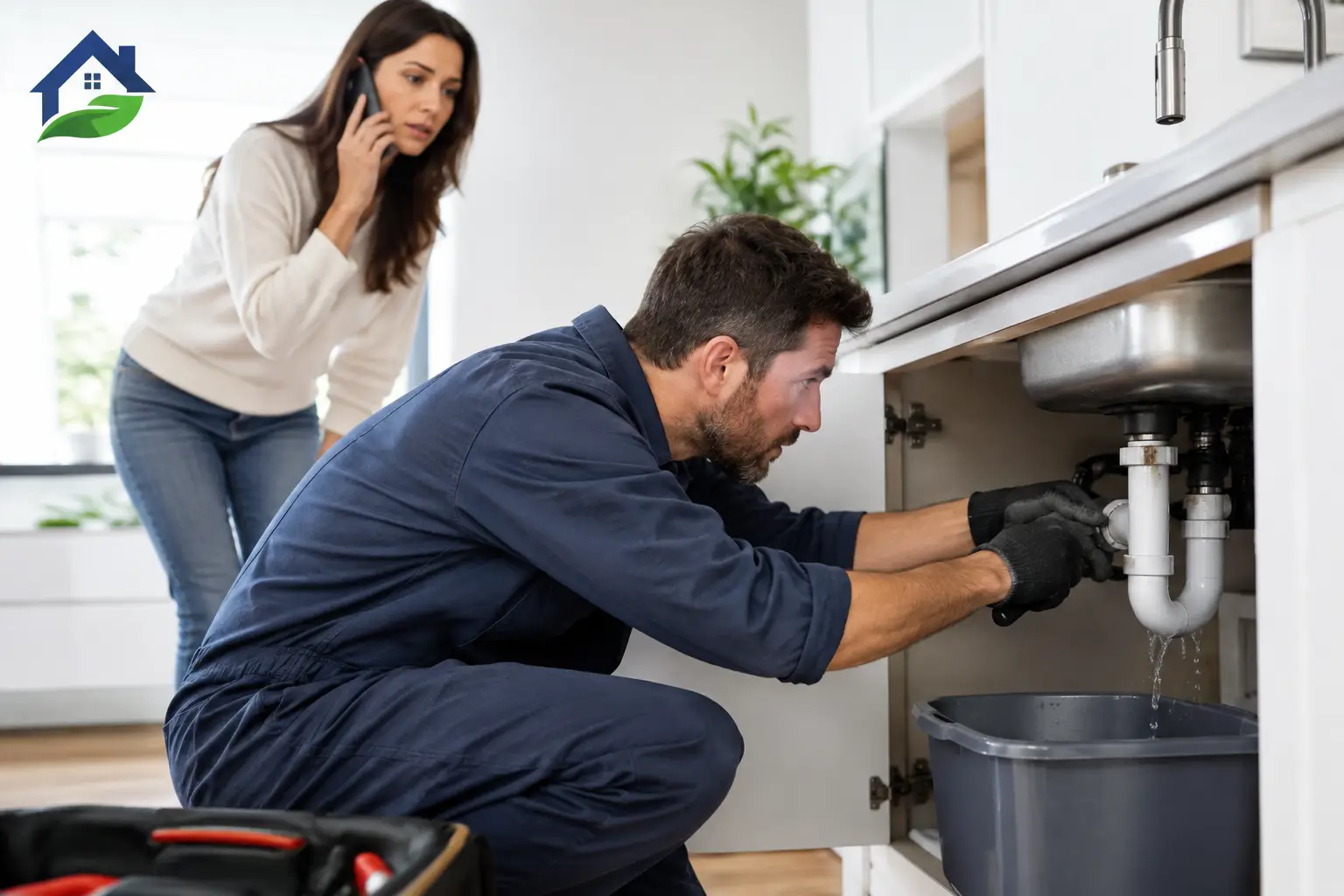
A good rule is simple: automate routine decisions with clear rules, but keep a qualified person accountable for judgment calls. A water leak, a guest who cannot access the home, a noise complaint, or a questionable refund request needs more than a prewritten message.
The Best Vacation Rental Automation Tools by Job
There is no single tool that fits every owner. A two-bedroom beach condo, a portfolio of single-family homes, and a luxury property with frequent guest requests all need different levels of support. Start with the operational problem you want to solve, then choose technology that integrates cleanly with the rest of your workflow.
Property management and channel management software
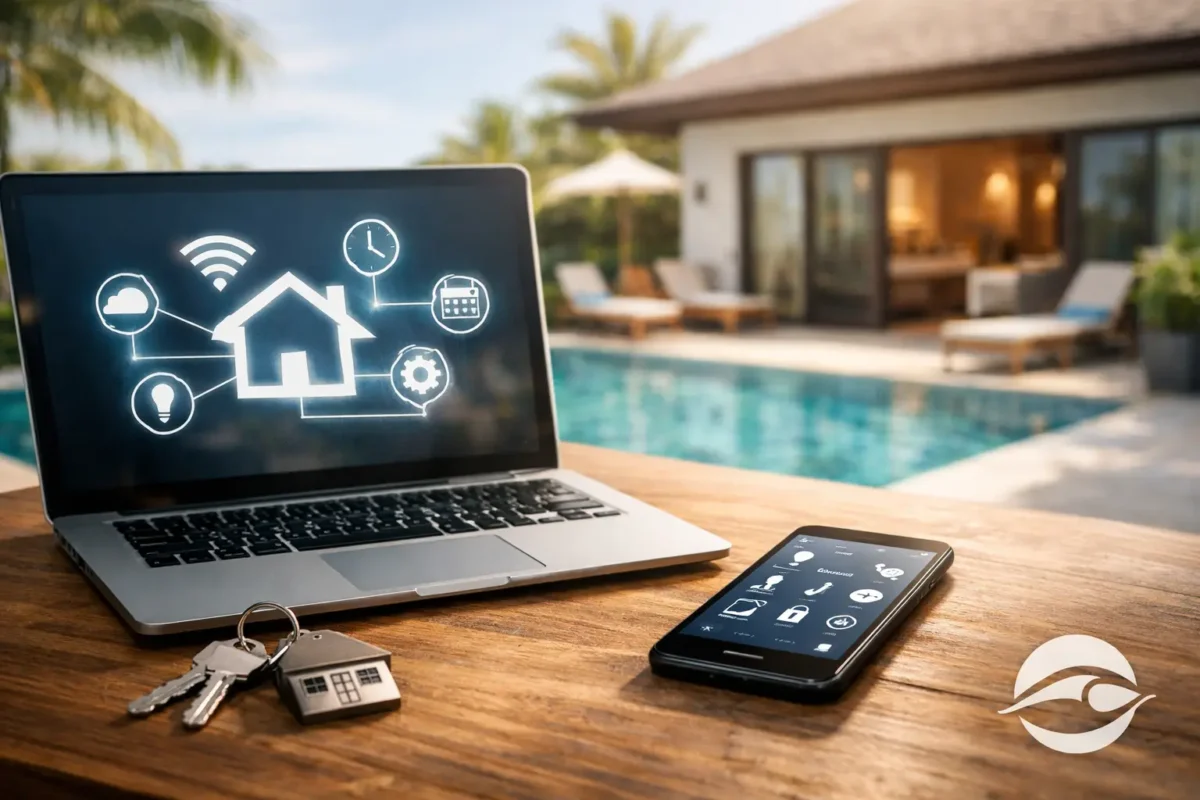
This is the operating center of a vacation rental business. A property management system should centralize reservations, guest records, calendars, rates, payments, maintenance notes, and owner reporting. If you advertise a property across more than one booking channel, channel management is essential to keep availability and rates synchronized.
The value is not just preventing double bookings. A unified calendar can trigger guest messages, alert cleaning teams after check-out, create tasks for inspections, and make booking performance easier to review. Look for a system that shows the full guest timeline in one place, including messages, payment status, entry instructions, and open service issues.
Before committing, confirm how the platform handles cancellations, security deposits, tax reporting, owner statements, and direct bookings. Some systems are excellent for reservations but weak on accounting or maintenance coordination. Others carry expensive add-on charges as your portfolio grows. Transparent pricing matters because automation should protect your margin, not quietly erode it.
Automated guest messaging
Guest messaging is often the fastest automation win. Templates can send booking confirmations, payment reminders, arrival directions, parking details, Wi-Fi instructions, check-out reminders, and review requests at scheduled points in the stay.
The best approach is not to schedule one generic message after another. Build messages around what a guest needs at that moment. A confirmation should set expectations. A pre-arrival message should confirm entry details and house rules. A check-in note should make it easy to report an issue quickly, while a post-stay message should request feedback before a small concern becomes a public complaint.
Keep the writing clear and local. If a home has limited parking, a pool safety rule, elevator access, or a neighborhood noise ordinance, say it plainly before arrival. Automated messages should reduce surprises, not bury important instructions in a long welcome note.
Dynamic pricing tools
Nightly rates should not stay fixed while demand changes around them. Pricing automation uses factors such as seasonality, booking pace, local events, day of the week, lead time, and comparable inventory to recommend or apply rate changes.
This can help owners avoid two costly mistakes: pricing too low during high-demand weekends and holding out for unrealistic rates during slower periods. Still, dynamic pricing needs guardrails. Set a minimum rate that covers your operating costs and a maximum that matches the property’s actual value. Review the rules around holidays, major regional events, and last-minute discounts.
A rate recommendation is only as good as the information behind it. If the property has better amenities, a superior location, or stronger reviews than nearby rentals, a generic market adjustment may undervalue it. Use automation for speed, then apply owner-level judgment to protect revenue.
Smart access and security monitoring
Smart locks allow unique codes for guests, cleaners, inspectors, and maintenance vendors. Codes can activate and expire automatically, reducing key handoffs and the risk of a former guest retaining access. For late arrivals, this can be the difference between a smooth check-in and a midnight emergency call.
The right system should log entry activity, allow remote code changes, and still provide a backup plan if a battery fails or connectivity drops. Never rely on technology without an emergency access procedure.
Security tools also require balance. Exterior cameras and noise-monitoring devices can help protect a property and identify problems early, but they must be used legally and disclosed appropriately. They are not a substitute for clear house rules, responsive communication, or regular inspections. Guest privacy is part of protecting your reputation.
Cleaning, turnover, and inspection coordination
A five-star property can lose its edge after one missed turnover. Cleaning automation connects check-out times to cleaner notifications, task lists, photo requirements, and inspection checklists. It gives managers a clear record of who completed each step and when.
For multi-property owners, this is where process discipline matters most. Cleaners need more than a calendar alert. They need the correct departure time, the next arrival deadline, unit-specific instructions, supply needs, and a simple way to flag damage. Inspection photos after every turnover create accountability and help resolve disputes when a guest reports an issue.
Automated tasks should also include preventive items. Filter changes, smoke detector checks, pest-control visits, pool service, and seasonal inspections are easier to manage when they are scheduled before they become urgent repairs.
Payments, accounting, and owner reporting
Automation is incomplete if owners still have to request basic financial information. Payment tools should collect balances on schedule, document transactions, and flag failed payments. Accounting workflows should categorize income and expenses, track vendor bills, and generate understandable statements.
The goal is not to flood an owner with reports. It is to make the numbers easy to verify. Owners should be able to see booking revenue, management costs, maintenance expenses, taxes, payouts, and pending issues without sorting through spreadsheets. This level of visibility supports better decisions about rates, upgrades, and property performance.
How to Choose Automation Without Creating More Work
Before buying anything, map the current guest journey from inquiry to check-out. Mark where staff members repeat the same task, where details are copied between systems, and where errors are most expensive. Those are your automation priorities.
Use this checklist when comparing options:
- Does it integrate with your booking channels, payment process, smart locks, and accounting workflow?
- Can you review and override automated messages, pricing rules, and task assignments?
- Does it provide clear owner reporting without requiring separate manual reports?
- Can your cleaners, maintenance vendors, and team members use it without extensive training?
- Are pricing, support, and add-on fees clear before you sign a contract?
Avoid building a complicated stack just because every feature sounds useful. If one platform handles reservations, guest messaging, task management, and reporting well, it may be more valuable than four disconnected apps. The best system is the one your team can use consistently on a busy Friday afternoon.
Automation Needs Human Accountability
Software can confirm a reservation, send a door code, and notify a vendor. It cannot inspect a water stain with professional judgment, calm an upset guest, or decide whether a repair is urgent enough to protect the home. Owners should expect both: efficient technology for repeatable tasks and responsive management for the situations that carry real financial risk.
At 10starhomes, that balance matters. Technology can provide convenient portals, faster coordination, and better visibility, while hands-on management keeps an owner from being left alone when a property needs attention. Automation should make rental ownership simpler, more transparent, and more profitable – not more distant.
Choose tools that solve a measurable problem first. When every automated step saves time, prevents an error, improves a guest stay, or protects the property, the technology earns its place in your operation.