
A resident giving notice can cost far more than one month of rent. There is lost income, cleaning, repairs, marketing, showings, screening, and the risk that the next tenant is not as reliable as the one leaving. The best tenant retention strategies protect cash flow by giving qualified residents a clear reason to renew before moving feels like the easier option.
For Tampa Bay rental owners, retention is not about offering every upgrade or accepting poor lease performance to avoid a vacancy. It is about running a responsive, well-maintained property with fair terms, clear communication, and a renewal process that starts early. Good tenants stay where living is predictable, problems are handled, and the rent still feels justified.
Why Tenant Retention Is a Profit Strategy
Turnover is expensive even when the property leases quickly. A single-family home may need touch-up paint, deep cleaning, landscaping, maintenance work, updated photos, and days or weeks off the market. Multifamily turnover can create the same pressure at scale, especially if several leases expire at once.
Retention also protects the less visible side of an investment. A resident who has paid on time, followed the lease, and cared for the home is already a known quantity. Replacing that resident means taking on new screening risk, new move-in wear, and more administrative work.
That does not mean every resident should be retained. Chronic late payment, repeated lease violations, property damage, or behavior that disrupts neighbors may justify a non-renewal. The goal is to retain the residents who strengthen the property, not to preserve occupancy at any cost.
Start With the Right Tenant and the Right Expectations
The strongest retention plan begins before move-in. Thorough screening helps identify applicants with stable income, a reliable rental history, and realistic expectations about the home. Just as important, the listing and lease must accurately describe the property, fees, pet policies, maintenance responsibilities, and community rules.
Surprises create resentment. If a resident learns after signing that parking is limited, lawn care is their responsibility, or certain utilities are not included, the relationship starts with friction. Clear disclosure protects the owner and gives tenants confidence that management operates fairly.
Move-in is another retention moment that owners often underestimate. Provide a detailed condition report, explain how to submit maintenance requests, confirm emergency procedures, and make sure the resident knows who to contact. A professional first week sets the expectation that the property will be managed, not neglected.
Make Maintenance Fast, Visible, and Well Documented
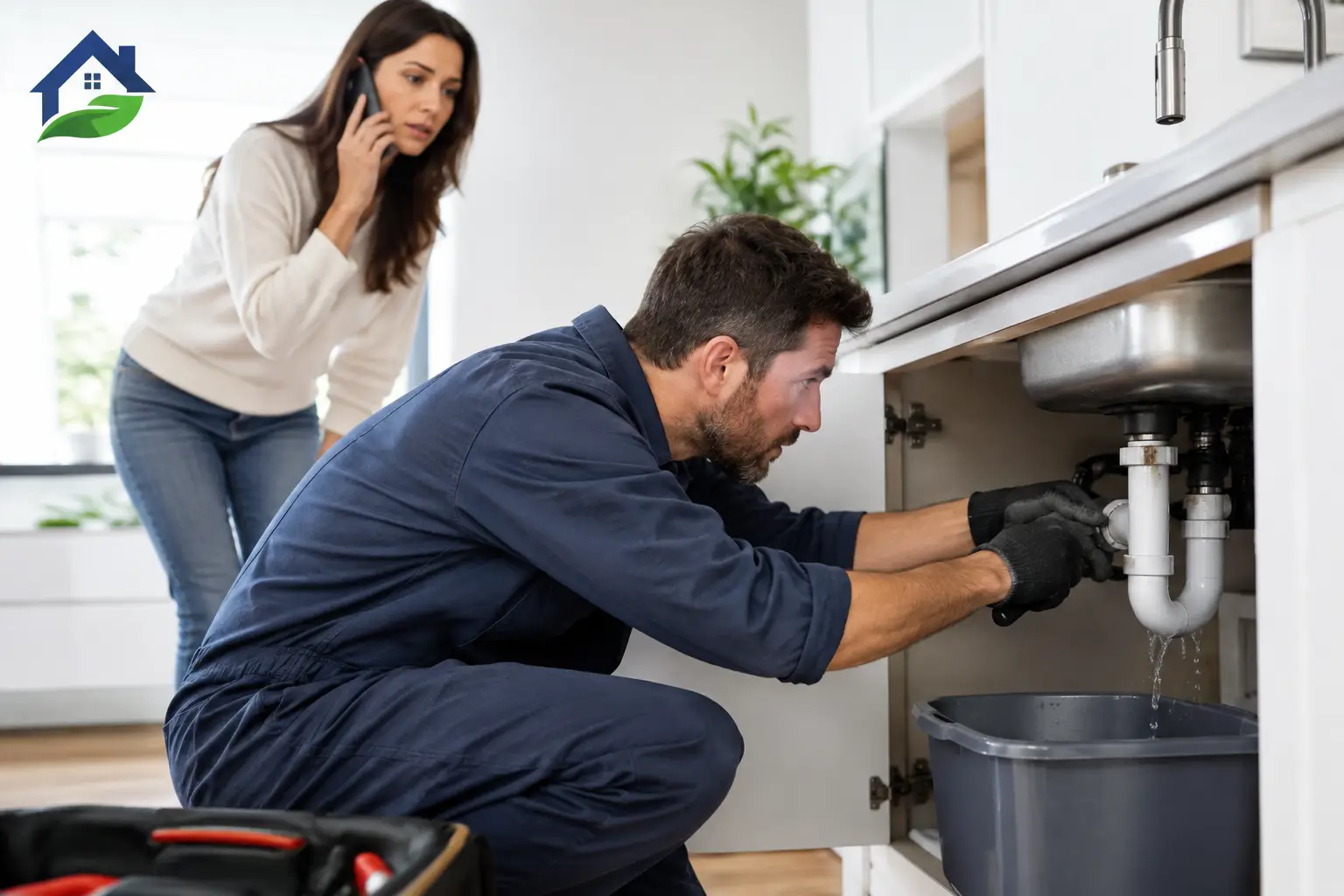
Few issues push a good tenant toward moving faster than unanswered maintenance requests. A dripping faucet may be minor, but silence from management makes it feel like a signal of what will happen when something serious breaks.
Respond quickly, even when a repair cannot be completed the same day. Acknowledge the request, explain the next step, give a reasonable timeframe, and update the resident if a part or vendor delay changes the schedule. Communication is often as valuable as the repair itself.
Preventive maintenance is where retention and asset protection work together. Seasonal HVAC service, roof checks, plumbing inspections, smoke detector testing, and gutter or drainage attention can stop disruptive failures before they affect a resident’s daily life. In Florida, HVAC performance, moisture issues, pest concerns, and storm preparedness deserve particular attention because they can quickly turn into comfort and habitability concerns.
Owners should also avoid the false savings of the cheapest available repair. A repair that fails two weeks later costs more in repeat labor, resident frustration, and damage to the property’s reputation. The right standard is cost control with work that solves the problem.
Communicate Like a Professional Operation
Residents do not expect perfection. They do expect answers. Clear, respectful communication can prevent a manageable issue from becoming a reason not to renew.
Use a consistent process for maintenance updates, lease questions, rent reminders, inspection notices, and community announcements. Online resident portals are especially useful because they give tenants a single place to pay rent, submit requests, review documents, and track communication. For owners, that same record supports accountability and reduces confusion about what was reported and when.
Tone matters. A late-rent reminder should be firm and professional, not hostile. An inspection notice should explain the purpose and provide proper notice. When a resident raises a concern, address the facts without making promises that cannot be kept.
Multilingual communication can also be a practical retention advantage in a diverse rental market. When residents clearly understand the lease, maintenance process, and notices, there are fewer avoidable conflicts and fewer expensive misunderstandings.
Price Renewals With the Market, Not Emotion
A renewal increase should reflect current market conditions, the home’s condition, and the value of keeping a proven resident. Owners sometimes focus only on the highest advertised rent nearby. That approach can backfire if the increase causes a dependable tenant to leave and the unit then sits vacant while turnover costs mount.
Before setting a renewal offer, compare similar available and recently leased properties, not just optimistic listing prices. Consider the resident’s payment history, the cost of making the home rent-ready, and the likely time to place a new tenant. A modest increase with a 12-month renewal can produce stronger net income than a larger increase followed by vacancy.
There is no universal rule on timing or amount. A highly upgraded home in a tight submarket may support a meaningful adjustment. A property with aging systems, recurring service issues, or several comparable rentals available nearby may call for a more restrained approach. The point is to make the decision from numbers, not assumptions.
Begin the Renewal Conversation Early
Waiting until the final weeks of a lease gives both sides fewer options. Start evaluating renewal potential roughly 90 to 120 days before lease end, subject to lease terms and applicable requirements. Review payment history, maintenance activity, inspections, and any past concerns before deciding whether to offer a renewal.
If the resident is a strong fit, present the offer with enough time for a real decision. State the proposed rent, term length, any changes to lease terms, and the response deadline. A clear offer reduces last-minute uncertainty and gives the management team time to market the property if the resident plans to move.
A brief check-in before sending the offer can be valuable. Ask whether the resident has concerns about the home, pending repairs, or plans that could affect their decision. You may learn that a simple repair, such as replacing worn blinds or addressing an aging appliance, is the obstacle standing between a renewal and a move.
Invest in Improvements Residents Actually Notice
Not every retention improvement requires a major renovation. Residents notice reliable air conditioning, clean common areas, secure locks, functional appliances, good lighting, fresh paint, and a property that looks cared for from the street.
Prioritize upgrades based on condition, resident impact, and rental return. If a refrigerator is unreliable, replacing it may do more for retention than a cosmetic feature tenants will barely use. If a bathroom is dated but clean and functional, a full remodel may not be the first move. Smart owners spend where the experience and the asset both improve.
For properties with outdoor space, landscaping and exterior maintenance matter more than many owners realize. The exterior is the resident’s first impression every day and a visible signal of whether management pays attention. In storm-prone areas, keeping trees trimmed, drainage clear, and exterior features maintained also reduces risk.
Build Fairness Into Every Lease Cycle
Tenants are more likely to renew when rules are applied consistently. That includes pet policies, maintenance responsibilities, late fees, parking rules, inspections, and security deposit procedures. Inconsistent enforcement may seem like a short-term convenience, but it creates disputes and makes professional management harder.
Regular inspections support this standard when handled respectfully and in accordance with the lease and legal requirements. They help identify maintenance needs, unauthorized occupants or pets, safety concerns, and early signs of property damage. The purpose is to protect the home and address issues early, not to make a good resident feel watched.
The best tenant retention strategies work because they make the rental relationship easier to maintain than to replace. At 10starhomes, that means treating timely service, transparent communication, accurate records, and disciplined renewal planning as core property-management work, not extras.
Before the next renewal season, review every occupied property with one practical question: what would make a responsible resident choose to stay for another year? Fix the answer while there is still time to earn the renewal.