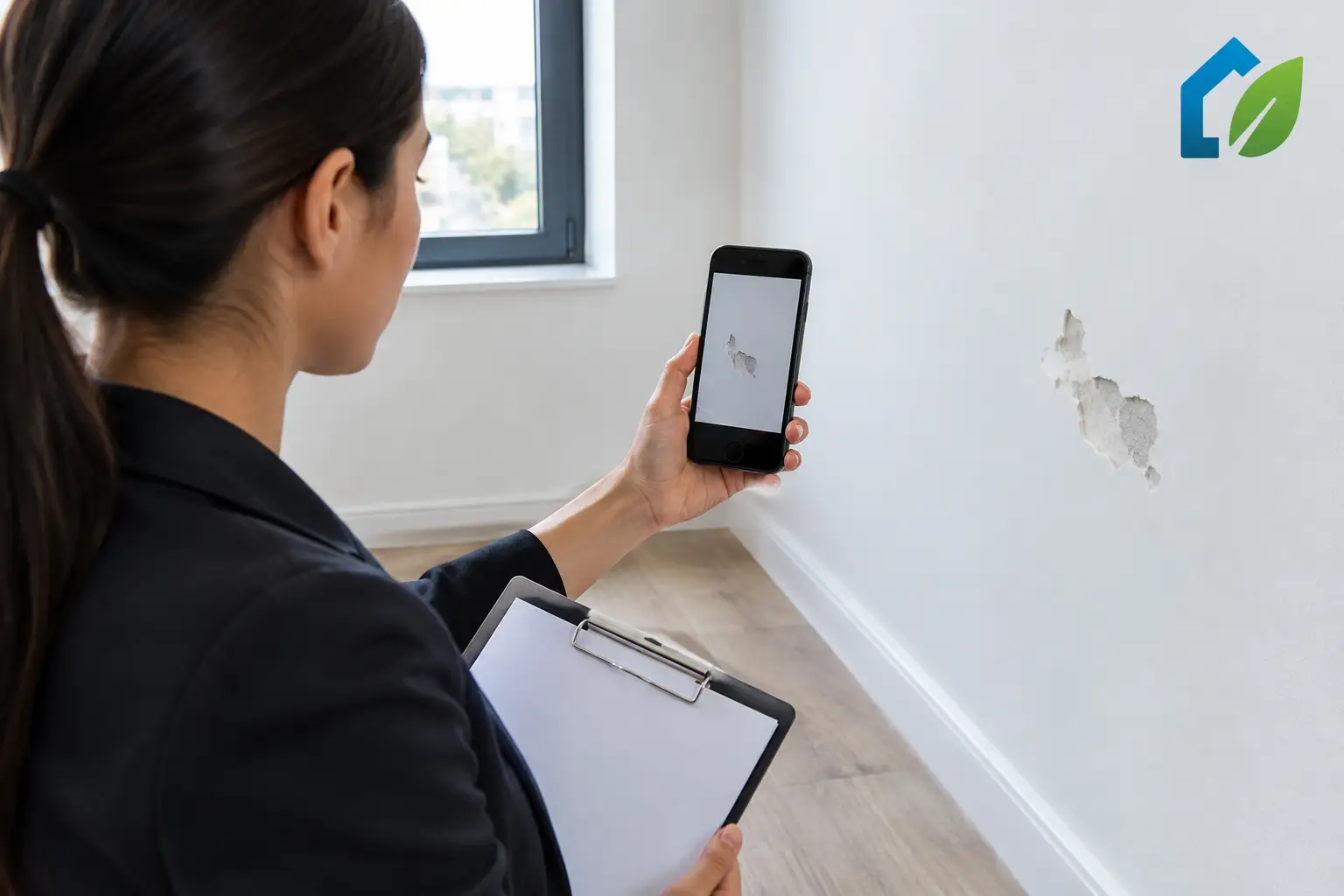
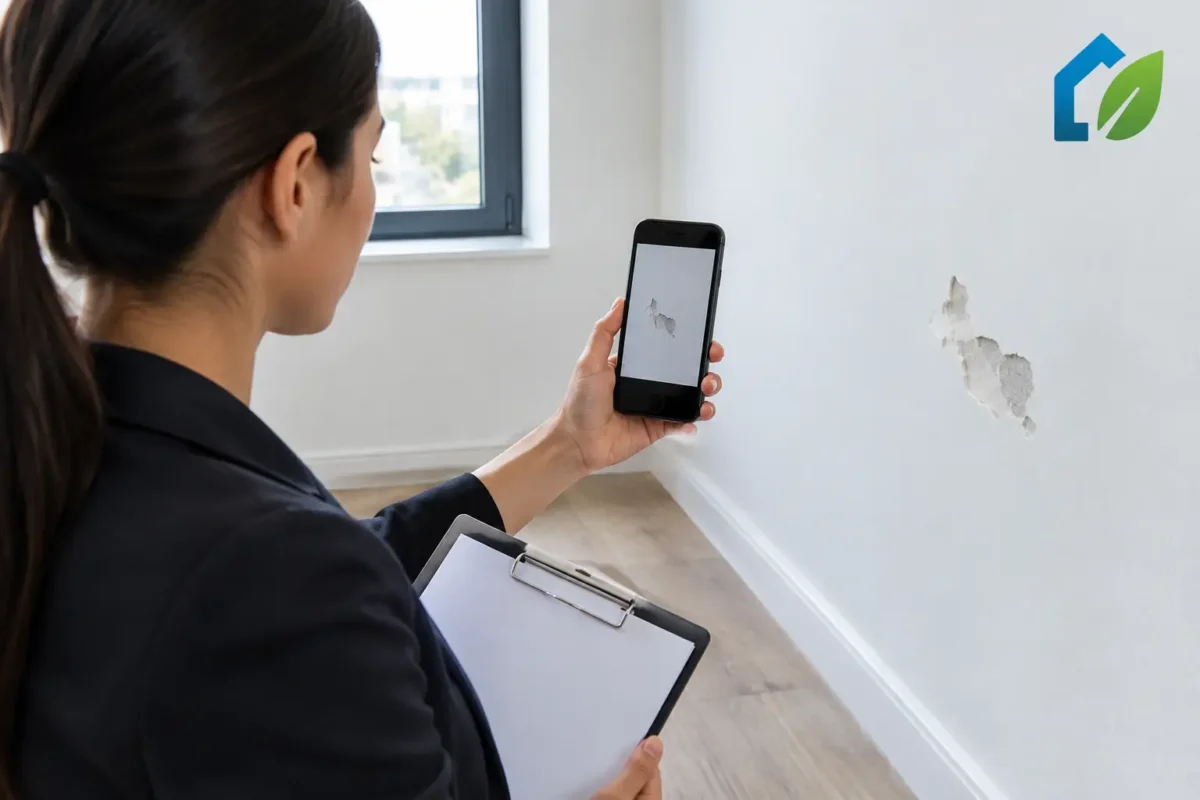
A small water ring under a bathroom sink, a cracked blind slat, or a scuff behind a bedroom door can become a security-deposit dispute months later if nobody records it at move-in. Knowing how to document move-in damage gives owners a defensible baseline, gives residents a fair starting point, and prevents normal wear or pre-existing issues from being blamed on the wrong party.
For rental owners, this is not paperwork for paperwork’s sake. A clear move-in record protects the property, speeds up maintenance decisions, and makes move-out accounting far more straightforward. The best reports are detailed enough to resolve questions quickly but organized enough that someone can actually use them.
Start before the resident receives the keys
The strongest inspection happens after turnover work is complete and before the new resident begins moving boxes, furniture, or pets into the home. Once possessions are inside, it becomes harder to verify whether a mark, dent, or missing item existed beforehand.
Schedule the inspection as close to possession as possible. In a Tampa Bay rental, that timing matters because air-conditioning performance, moisture around windows, roof stains, irrigation issues, and storm-related exterior conditions can change quickly. Document what is visible on the day of possession, then address active maintenance concerns separately.
Ideally, the owner or property manager completes an initial inspection first. The resident then receives the condition report and a defined period, often a few days, to note additional issues they discover. This two-step process is practical. It establishes a professional baseline while giving residents a reasonable chance to notice a cabinet scratch or appliance issue they missed during a walkthrough.
Use photos, video, and a written condition report
Photos alone are helpful, but they are not enough. A written report alone is also weak if it relies on vague descriptions such as “good condition.” Use both, and make sure they match.
Your condition report should be room-by-room and specific. Instead of writing “living room wall marked,” write “two-inch dark scuff on the west wall, approximately three feet from the sliding door.” Instead of “refrigerator works,” note whether shelves, drawers, handles, ice maker, and visible surfaces are present and intact.
For every room, record the condition of walls, ceilings, floors, windows, window coverings, doors, locks, lighting, outlets, smoke detectors, vents, closets, and built-in storage. In kitchens and bathrooms, include cabinets, counters, fixtures, drains, caulking, appliances, and any signs of leaks or water damage. Outside, document landscaping condition, fencing, patios, screens, exterior doors, mailboxes, parking areas, and any owner-provided equipment.
Take wide photos first to establish the room, then close-ups of each issue. A close-up of a damaged baseboard means little if there is no way to tell where it is located. Capture the full wall or area, then the damage from several angles. If scale matters, photograph a ruler or another neutral size reference beside the affected area.
Video is valuable for showing a continuous walkthrough and demonstrating that doors, fans, lights, and appliances function at the time of inspection. Still, do not rely on video as the entire report. It is harder to search later and easy to overlook details in a long recording. Think of video as supporting evidence, not a substitute for labeled photos and written notes.
How to document move-in damage with useful detail
The goal is accuracy, not drama. A move-in report should distinguish among pre-existing damage, incomplete turnover work, active maintenance needs, and ordinary cosmetic wear.
Pre-existing damage includes a chipped tile, scratched flooring, dented appliance panel, or torn screen that was present when possession began. Incomplete turnover work might include dust in a closet, a missing remote, or debris left in the garage. Active maintenance needs are conditions that require attention, such as a slow drain, leaking toilet, failed outlet, or malfunctioning air conditioner. Ordinary cosmetic wear could be minor paint fading or light carpet traffic patterns consistent with the home’s age.
That distinction matters at move-out. Owners should not charge a resident for damage that existed beforehand, and residents should not use an old scuff as a reason to avoid responsibility for new damage. Clear records protect both sides.
Use neutral language. Avoid assigning fault at move-in or writing emotional notes like “resident complained about everything.” Simply describe the condition and record the date. If a resident reports a concern, acknowledge it in writing and document whether it requires repair, monitoring, or no action.
Make the report easy to verify and sign
A report has more value when both parties can review it. Provide the resident with the move-in condition form, photo access, and clear instructions for submitting additions within the stated review window. Require written submissions through a portal, email, or another trackable channel rather than relying on text messages or verbal conversations.
The resident should sign or electronically acknowledge the report. An acknowledgment does not need to mean they agree that every item is perfect. It confirms they received the record and had the opportunity to identify additional conditions. If they decline to sign, note that fact and retain proof that the report was delivered.
When residents submit added items, respond promptly. Confirm receipt, add legitimate conditions to the file, and create maintenance tickets where needed. Silence creates uncertainty. A fast written response shows that the issue was logged even if the repair requires scheduling.
Save records where they will still be available at move-out
A move-in report is only useful if you can find it when the lease ends. Store the signed report, original photos, videos, resident-submitted additions, maintenance requests, and repair invoices in one property file. Use consistent names that include the property address, unit number if applicable, inspection type, and date.
Do not overwrite original files or edit photos in a way that changes the evidence. If you crop or annotate an image for easier review, keep the original and save the marked-up version separately. Date stamps and metadata can help, but they should support your reporting process, not replace it.
For out-of-area investors, centralized digital records are especially valuable. They allow an owner to review a condition issue without chasing texts, phone photos, or paper forms across multiple people. They also make it easier to compare move-in and move-out conditions side by side.
Avoid the mistakes that trigger deposit disputes
Most disputes begin with gaps, not necessarily bad intentions. The following mistakes make an otherwise valid claim harder to support:
- Using vague terms such as “clean” or “good” without photos and details.
- Photographing only obvious damage while skipping appliances, fixtures, screens, and exterior areas.
- Failing to give residents a reasonable way to report overlooked move-in conditions.
- Mixing pre-existing damage with repair issues without explaining which is which.
- Waiting until move-out to locate records, compare photos, or estimate charges.
There is also a trade-off between detail and usability. A 150-page report for a modest rental may be hard for everyone to review, while a one-page checklist may miss meaningful conditions. The right level depends on the property’s size, age, furnishings, and condition. A newer condo may need close attention to appliances, finishes, and HOA-provided items. An older single-family home may require more detailed notes about flooring, paint, landscaping, windows, and systems.
Turn documentation into better property protection
Move-in documentation should lead to action. If the inspection reveals a safety issue, water intrusion, an inoperable smoke detector, or a problem affecting habitability, address it immediately rather than treating the report as a filing exercise. If it reveals smaller defects, determine whether repair now will prevent a larger expense later.
Professional management brings consistency to this process. At 10starhomes, move-in and move-out reporting is part of protecting the owner’s asset while keeping communication clear for residents. That consistency matters when a property has multiple turnovers, an owner lives out of state, or a dispute requires records months after the initial inspection.
A careful move-in report is one of the lowest-cost ways to protect rental income and reduce friction at move-out. Record the condition while the facts are clear, communicate what will be repaired, and keep every file organized. When questions arise later, you will have more than a memory to rely on.