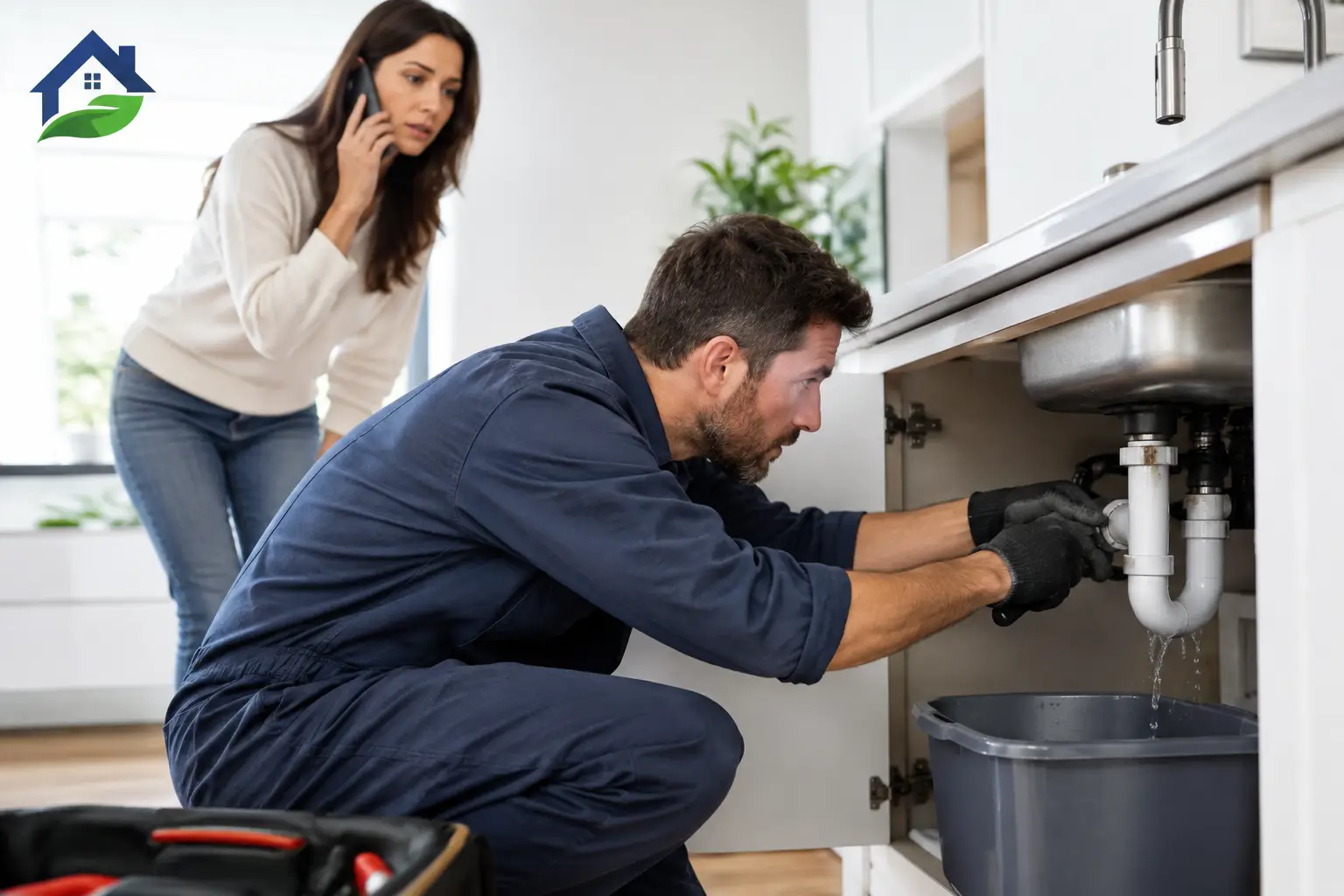
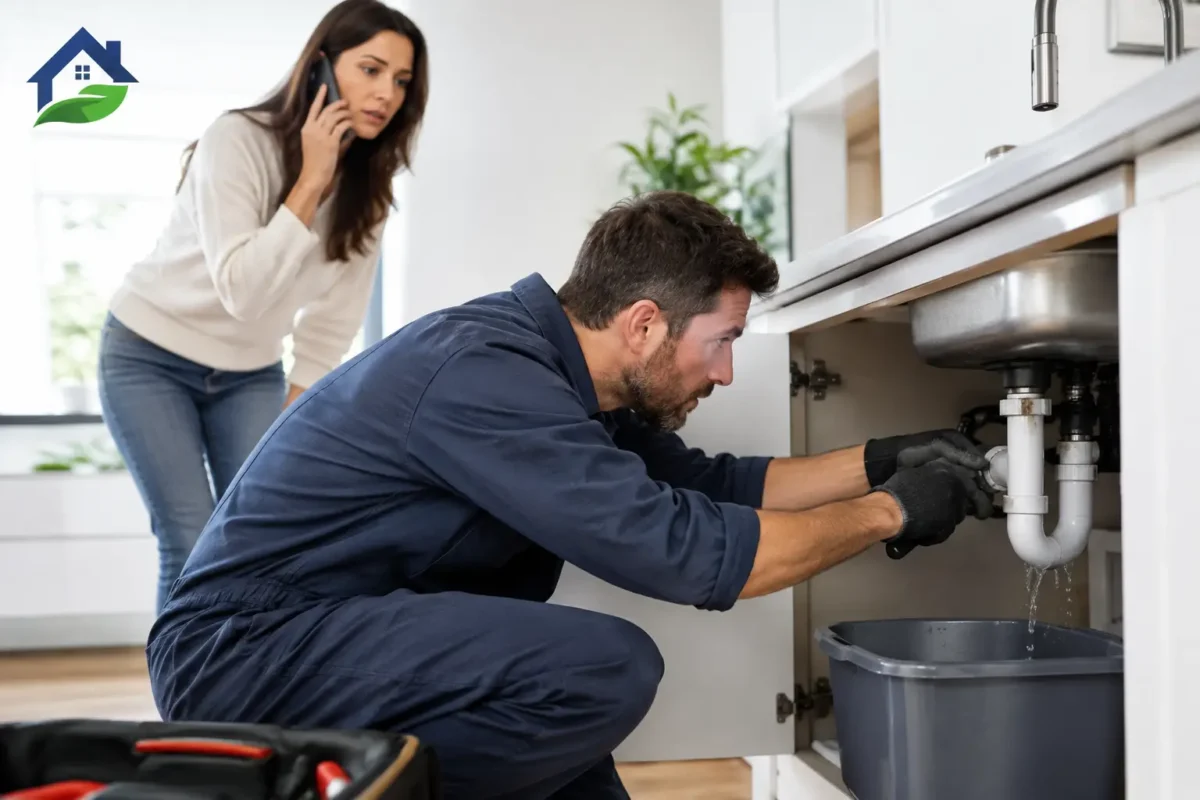
A burst supply line can soak cabinets, flooring, and a neighboring unit before most owners have finished reading the first text message. That is why knowing how to handle emergency repairs is not simply a maintenance task. It is a property-protection system that keeps residents safe, controls losses, supports insurance claims, and prevents a small incident from becoming weeks of vacancy and expensive restoration.
For rental owners, the goal is simple: act fast on safety and active damage, then make disciplined decisions once the immediate risk is under control. The fastest response is not always the cheapest repair. But delayed action is often the most expensive choice.
What Counts as an Emergency Repair?
An emergency is a condition that threatens people, makes the home unsafe or unlivable, or is actively causing significant property damage. A working definition matters because it helps residents report problems correctly and helps owners avoid paying emergency rates for repairs that can safely wait until normal business hours.
True emergencies commonly include a major water leak or burst pipe, sewer backup, no power affecting essential safety systems, fire or smoke damage, a gas odor, an unsecured exterior door or broken window after a break-in, and a total HVAC failure during dangerous heat or cold. In Tampa Bay, air conditioning failures deserve prompt attention, particularly for homes with children, older residents, or medically vulnerable occupants. Whether the issue requires after-hours dispatch depends on indoor conditions, the weather, and the resident’s circumstances.
A dripping faucet, a running toilet that still flushes, a single failed appliance, or a cosmetic issue is usually urgent but not an emergency. The distinction should be clear in the lease, resident portal, and move-in communications. When residents know what qualifies, they are more likely to call at the right time and take the first protective steps without delay.
How to Handle Emergency Repairs: The First 30 Minutes
The first response should focus on life safety before property preservation. If there is a fire, suspected gas leak, electrical sparking, structural collapse, medical emergency, or immediate threat of crime, instruct the resident to call 911 first. A maintenance vendor is not a substitute for emergency services.
For active water damage, ask the resident to shut off the nearest fixture valve if it is safe to do so. If that does not stop the flow, they may need to use the home’s main water shutoff. Owners and managers should identify that shutoff during inspections and make sure residents know where it is. A $20 shutoff valve can prevent a five-figure water loss when everyone knows how to use it.
Next, gather the details that determine the right dispatch. Ask where the problem started, whether water is still flowing, whether electricity is affected, whether anyone is unsafe, and whether the resident has already taken action. Request photos and short videos when it is safe to do so. Visual documentation helps a plumber, electrician, or restoration company arrive prepared instead of spending paid emergency time diagnosing basic conditions.
Do not ask residents to attempt repairs beyond basic safety steps. Turning off water, moving belongings away from a leak, or placing a container under a slow drip may be reasonable. Opening electrical panels, climbing onto roofs, entering standing water near electrical equipment, or using unfamiliar tools is not.
Dispatch the Right Vendor, Not Just the First Available Vendor
Emergency repair costs rise quickly when the wrong trade is sent to the property. A water intrusion may require a plumber to stop the source and a restoration crew to dry the structure. A roof leak after a storm may need temporary tarping first, followed by a roofing inspection after conditions are safe. An electrical outage could be a utility issue, a tripped breaker, or a failed component inside the home.
Maintain an approved after-hours vendor list with at least two contacts for core trades: plumbing, HVAC, electrical, restoration, locksmith services, roofing, and pest control. Each vendor should be insured, responsive, familiar with occupied homes, and clear about emergency trip charges, authorization limits, and reporting expectations.
Set a practical approval threshold before the emergency happens. For example, a vendor may be authorized to stabilize the issue and complete work up to a preapproved dollar amount, but must seek permission before larger repairs or replacement decisions. This prevents delays on a Saturday night without giving away control of a major expense.
There is a trade-off here. Requiring approval for every minor decision protects the budget but can leave water running or a property exposed. Giving unlimited discretion can produce surprise invoices. A clear stabilization limit is the middle ground: stop the damage now, document the cause, and approve permanent repairs with better information.
Communicate Clearly With the Resident
Residents do not expect every problem to be fixed instantly. They do expect to know that someone owns the problem. A fast acknowledgment, a realistic arrival window, and simple instructions reduce frustration and help preserve a good tenancy.
Tell the resident who is coming, how they will be identified, and what they should do while waiting. If the home is not safely habitable, explain the next step rather than making promises before the facts are known. In some cases, a repair can be completed quickly. In others, drying, mold prevention, electrical safety checks, or structural repairs may require temporary access restrictions or a short relocation.
Keep communications factual and documented. Avoid assigning blame before the vendor diagnoses the issue. A backed-up drain could result from a blocked main line, a failed sewer component, an item flushed by a resident, or a tree-root intrusion. The cause affects responsibility, but restoring safe conditions comes first.
Protect the Property After the Immediate Fix
Stopping the leak or restoring power is only the first half of the job. Water can remain behind baseboards, under flooring, or inside walls. A roof opening can allow additional damage during the next rain. A sewer backup can create sanitation concerns that require professional cleaning, not just a quick mop-up.
Require the vendor to document the source, actions taken, recommended follow-up, photos, and any parts that need replacement. For water events, record moisture readings and drying equipment placement when restoration is involved. For larger losses, notify the insurer promptly and preserve invoices, photos, resident messages, and vendor reports in one property file.
Do not authorize cosmetic repairs until the underlying cause is corrected and the area is dry. Replacing drywall before moisture is addressed may look productive, but it can trap a larger problem behind a fresh wall. In Florida’s humidity, that is an expensive gamble.
Use Documentation to Control Cost and Liability
Every emergency should create a clean record. Document the time the issue was reported, the resident’s description, the instructions provided, vendor dispatch time, arrival time, repairs performed, costs, and follow-up needs. If the resident declined access, failed to respond, or caused a delay, record that fact without editorializing.
This documentation supports insurance claims, owner accounting, security-deposit decisions when appropriate, and future maintenance planning. It also reveals patterns. If the same drain backs up twice, the solution may not be another service call. It may be a camera inspection, line repair, or clearer resident education about what cannot go down the disposal or toilet.
For owners with multiple rentals, tracking emergencies by property and category is especially useful. Repeat HVAC failures, aging water heaters, recurring roof leaks, and old supply lines are signals that planned replacement may be cheaper than repeated after-hours calls.
Build an Emergency Plan Before You Need One
The best emergency response is designed during a calm weekday, not improvised at 2 a.m. Keep current vendor contacts, utility account information, insurance details, appliance manuals, property access instructions, and shutoff locations in a secure system. Confirm that keys, codes, and resident contact information are accurate.
Before hurricane season, inspect roofs, gutters, exterior drainage, trees, windows, and outdoor equipment. After a major storm, prioritize properties with known vulnerabilities, vacant units, and residents who have reported water intrusion or power-related concerns. Storm conditions can limit vendor availability, so early preparation gives owners more options.
A professional management team adds value here by providing 24/7 intake, vendor coordination, documented communication, and consistent follow-through without forcing an owner to manage a crisis from another city or country. 10starhomes is built for owners who want that protection without complicated pricing or surprise maintenance markups.
Emergency repairs will never be convenient. But a resident who knows whom to call, a vendor who knows what authority they have, and an owner who can see the documentation afterward will turn a stressful event into a controlled operational response.