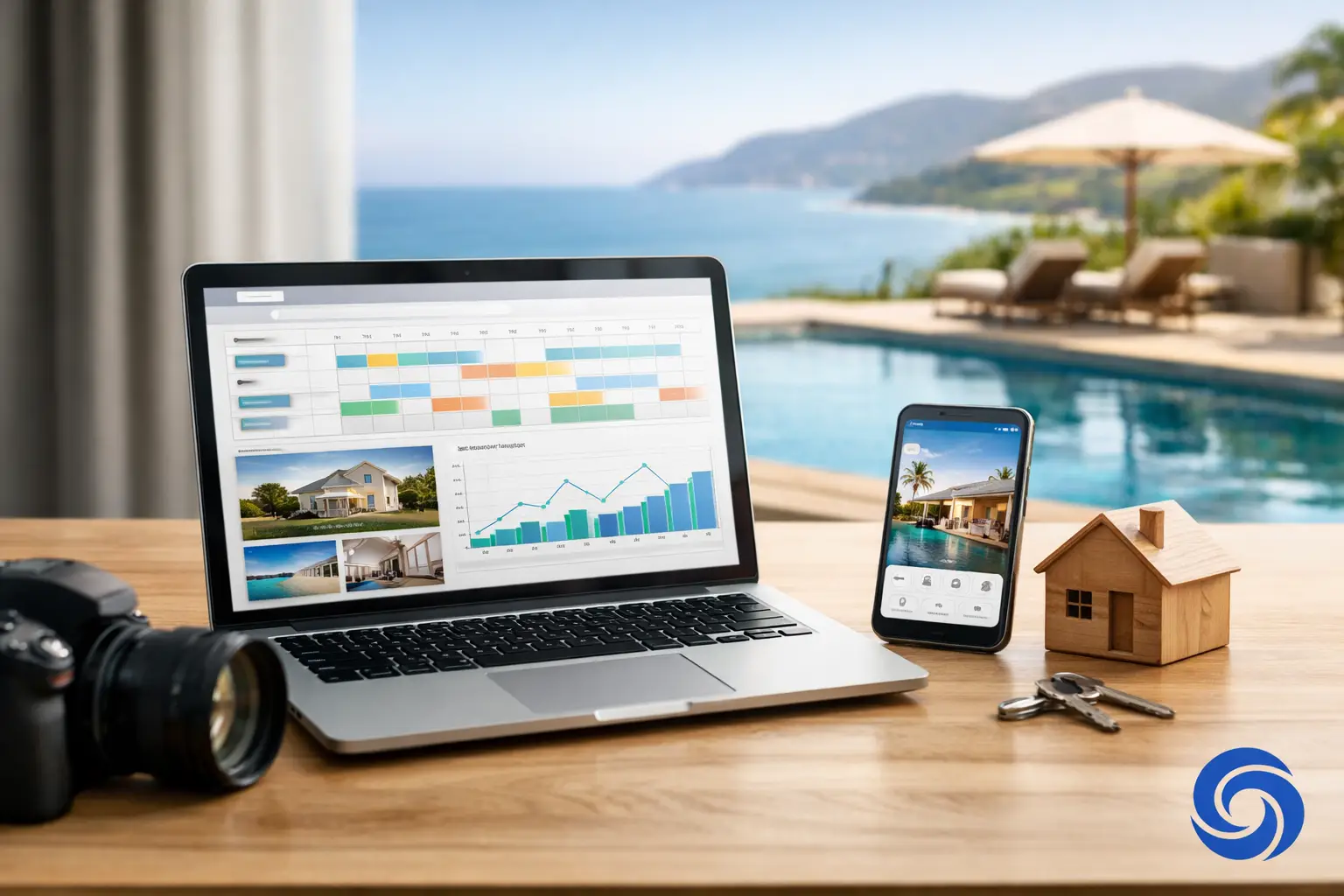


An empty Tuesday in July or a string of unbooked nights before a holiday weekend is expensive. The best vacation rental marketing tools do more than make a listing look polished. They put the right property in front of the right guest, protect rate integrity, and turn inquiries into confirmed stays without creating more work for the owner.
For Tampa Bay and Florida Gulf Coast owners, marketing also has to account for changing demand. Beach weekends, school breaks, sporting events, snowbird season, and last-minute drives from nearby cities all affect who is booking and when. The right tool stack helps owners respond quickly without resorting to blanket discounts that cut into returns.
What Vacation Rental Marketing Tools Should Actually Do
Marketing software is only valuable when it supports occupancy and revenue at the same time. A tool that generates more inquiries but attracts poor-fit guests, creates double bookings, or requires hours of manual work is not a win. Owners need systems that make each available night visible, each listing accurate, and each lead easier to convert.
Start with the guest journey. A traveler needs to find the property, trust the photos and details, compare the rate, book confidently, and receive quick communication. Behind the scenes, the owner or manager needs one reliable view of the calendar, rates, guest messages, performance, and expenses. The strongest tools connect these two sides rather than treating marketing as a one-time listing task.
The Best Vacation Rental Marketing Tools by Job
There is no single platform that solves every marketing need. A practical setup combines a few tools that perform distinct jobs well and share accurate information.
Channel distribution and calendar control
A channel manager distributes your available dates, rates, photos, and rules across the booking channels your guests actually use. Its primary job is preventing calendar conflicts while widening exposure. If one guest books a weekend on one channel, the same dates should close everywhere else immediately.
This is especially valuable for owners with more than one property or homes that draw bookings from different audiences. The trade-off is cost and complexity. Adding every possible channel can create inconsistent content, more guest communication, and more chances for a policy mismatch. Focus on channels that consistently deliver profitable bookings for your type of home, not just the largest possible audience.
A property management system that keeps operations connected
A property management system is the operating center of a vacation rental business. It should bring reservations, guest messages, cleaning schedules, maintenance tasks, payments, owner statements, and reporting into one place. Marketing becomes more effective when availability and property details are pulled from the same system used to operate the home.
Look for automation that is useful, not excessive. Scheduled arrival instructions, check-out reminders, review requests, and maintenance notifications can save significant time. But every automated message should sound clear and be checked regularly. A guest who asks a specific question should never receive a generic response that ignores it.
Dynamic pricing and market-rate intelligence
Nightly pricing is one of the highest-impact marketing decisions an owner makes. Dynamic pricing tools review factors such as seasonality, booking pace, local demand, day of week, lead time, and comparable inventory to recommend rates. This can help prevent a property from sitting vacant because the rate is too high or being booked too early at a bargain price.
Automated recommendations are not a substitute for owner judgment. A waterfront property, a home with a heated pool, or a rental close to a major event can command a premium that generic comparable data misses. Set minimum rates, review event periods, and protect high-demand dates. The objective is not simply to fill every night. It is to fill nights at a rate that makes financial sense after cleaning, utilities, taxes, platform fees, and wear on the home.
Professional photography, video, and 3D tours
Great visuals are a conversion tool, not decoration. Most travelers decide whether to keep reading within seconds of seeing the first image. Bright, professionally composed photos establish trust, show the flow of the home, and help guests picture their stay.
A 3D virtual tour can add another layer of confidence, particularly for larger homes, design-forward condos, and properties with outdoor living areas. It allows guests to understand room size and layout before they book. That can reduce surprises and improve guest fit. Keep the tour current after meaningful renovations, furniture changes, or amenity upgrades.
Do not rely on visuals to hide limitations. If a bedroom is compact, if parking is limited, or if a pool has specific safety rules, say so plainly in the listing. Accurate expectations protect reviews, reduce complaints, and attract guests who are more likely to enjoy the property.
Listing optimization and content management
A strong listing title and description answer the questions guests are already asking: Where is it? Who is it best for? What makes it convenient? What will the stay feel like? What rules affect the trip?
Content tools and templates can maintain consistent descriptions across channels, but the property details must be specific. “Close to the beach” means far less than a clear description of access, parking, walkability, or drive time. “Family-friendly” should be supported by real features such as a fenced yard, pack-and-play, bunk room, pool fence, or nearby attractions.
Review your listing content at least seasonally. Add new amenities, refresh neighborhood recommendations, update pet policies, and make sure all occupancy limits match the rules in your booking system. Inconsistency costs bookings and can create avoidable disputes.
Direct-booking websites and inquiry capture
A direct-booking website gives owners more control over their brand, guest data, and repeat business. It can be especially useful for properties with established referral traffic, returning guests, or a distinctive local niche. The site should make it easy to check dates, understand the total price, review house rules, and submit a booking request or reservation.
Direct bookings are not automatically cheaper or more profitable. They require payment security, guest screening, cancellation policies, tax handling, customer support, and a strategy to generate traffic. A beautiful website with no audience will not replace distribution channels overnight. Use it as a long-term asset that supports repeat stays and referrals rather than expecting instant results.
Reputation management and review follow-up
Reviews are marketing that future guests trust because they come from prior guests. Reputation tools can alert you to new reviews, centralize feedback, and prompt a timely response. They are useful, but the underlying work is operational: clean homes, accurate listings, fast maintenance response, and respectful communication.
Respond to both praise and criticism professionally. Thank happy guests without using a canned reply every time. When a guest raises a legitimate concern, acknowledge it and explain the corrective action when appropriate. Public defensiveness can cost more bookings than one imperfect review.
Email, text, and repeat-guest marketing
Past guests are often your lowest-cost audience because they already know the property. Email and text tools can support repeat bookings with carefully timed messages before seasonal demand, special events, or a guest’s likely travel anniversary. They can also encourage referrals when a guest had a strong experience.
Keep outreach useful and permission-based. A short message about newly opened holiday dates or a limited return-guest offer works better than constant promotions. Segment guests when possible. A couple who booked a downtown condo may not care about a large beach house, while a family that stayed during spring break may respond to a similar school-break opportunity.
Performance reporting that leads to decisions
The last essential tool is reporting. Owners need more than a calendar filled with reservations. Track occupancy, average daily rate, revenue per available night, booking lead time, cancellation rate, channel mix, cleaning costs, maintenance expenses, and guest review trends.
These numbers reveal what needs attention. If occupancy is low but listing views are strong, pricing or conversion may be the issue. If views are low, distribution, photography, or listing content may need work. If revenue rises while maintenance costs climb faster, the property may be attracting more stays without producing better net income. Reporting turns marketing from guesswork into accountable decision-making.
Build a Stack That Fits the Property, Not a Sales Pitch
Before paying for new software, identify the current bottleneck. A vacant calendar calls for better visibility, pricing, or listing conversion. Frequent booking errors point to calendar and operations systems. Few repeat guests may mean the stay experience or post-stay communication needs attention. Buying a tool for a problem you do not have is a fast way to add overhead.
For one well-positioned vacation rental, professional visuals, accurate distribution, dynamic pricing, and disciplined review management may be enough. A growing portfolio may justify deeper automation, a direct-booking site, and detailed reporting. Either way, insist on transparent costs, clear ownership of your listing data, and systems your team can actually use.
At 10starhomes, the goal is straightforward: market homes aggressively, operate them carefully, and protect the owner’s return. Start with the tool that solves your biggest leak today, then build from there with every booking, guest experience, and dollar of revenue in view.