A tenant says the wall damage was there before move-in. A vendor says a repair is complete, but the owner receives no proof. A deposit dispute arrives months after the keys are returned. These are the moments when rental inspection software stops being a convenience and becomes a property protection tool.
For owners, inspections are not just another item on a management checklist. They establish the condition of the home, document maintenance needs before they become expensive, and create a clear record when questions arise. The right system helps turn scattered photos, text messages, and paper forms into organized evidence that supports better decisions.
Rental Inspection Software Is a Property Protection Tool
A proper inspection record protects more than a security deposit. It protects the condition of the asset, the resident relationship, and the owner’s ability to act quickly. When every room is documented with dated photos, notes, and a consistent checklist, there is far less room for confusion about what existed at move-in, what occurred during the tenancy, and what must be addressed at move-out.
That clarity matters because rental disputes are rarely caused by one major event. More often, they grow from missing details. A small water stain that was not noted can become a larger leak. A loose handrail overlooked during a routine visit can become a safety issue. A missing photo of a scratched floor can make a valid charge difficult to support later.
For an investor managing several homes, a consistent digital inspection process also creates operational control. You can see whether inspections are completed on time, whether maintenance items were assigned, and whether a property is receiving the attention it needs. For an out-of-area owner, that visibility is especially valuable. You should not have to rely on a verbal update that everything looks fine.
Why Better Documentation Supports Better Returns
Vacancy, repairs, turnover, and resident disputes all affect net rental income. Inspections do not eliminate those costs, but they make them easier to control.
At move-in, detailed documentation sets expectations with the resident. It shows that the property was delivered in a defined condition and that both sides have a record from day one. At move-out, the same standard makes it easier to separate ordinary wear from tenant-caused damage. That distinction should be based on evidence, not memory.
During the lease term, routine inspections can catch problems early. In Tampa Bay, humidity, heavy rain, air-conditioning performance, roof and window conditions, and signs of moisture deserve attention. A small issue identified quickly may require a simple repair. Left unaddressed, it can disrupt a resident, damage finishes, and create a much larger bill.
Good records also improve vendor accountability. If an inspection identifies a repair, the work order should be clear about the location, issue, photos, and expected outcome. Once the work is complete, updated documentation provides a simple way to confirm the result. Owners get a cleaner history of what was done and why money was spent.
What Good Rental Inspection Software Should Capture
The best platform is not necessarily the one with the longest feature list. It is the one your property manager or field team will use consistently at every critical point: move-in, move-out, periodic checks, maintenance follow-ups, and post-storm reviews when needed.
Room-by-room condition reports
A useful system follows the same sequence every time. It should cover exterior areas, entry points, living spaces, bedrooms, bathrooms, kitchens, appliances, smoke detectors, HVAC components, garages, and outdoor features. Standardization matters because a rushed inspection is where details disappear.
The report should allow notes tied to a specific room or item. “Damage in kitchen” is too vague to be useful. “Two-inch chip on the right side of the kitchen countertop near the sink, photographed at move-in” gives everyone a clear reference point.
Time-stamped visual evidence
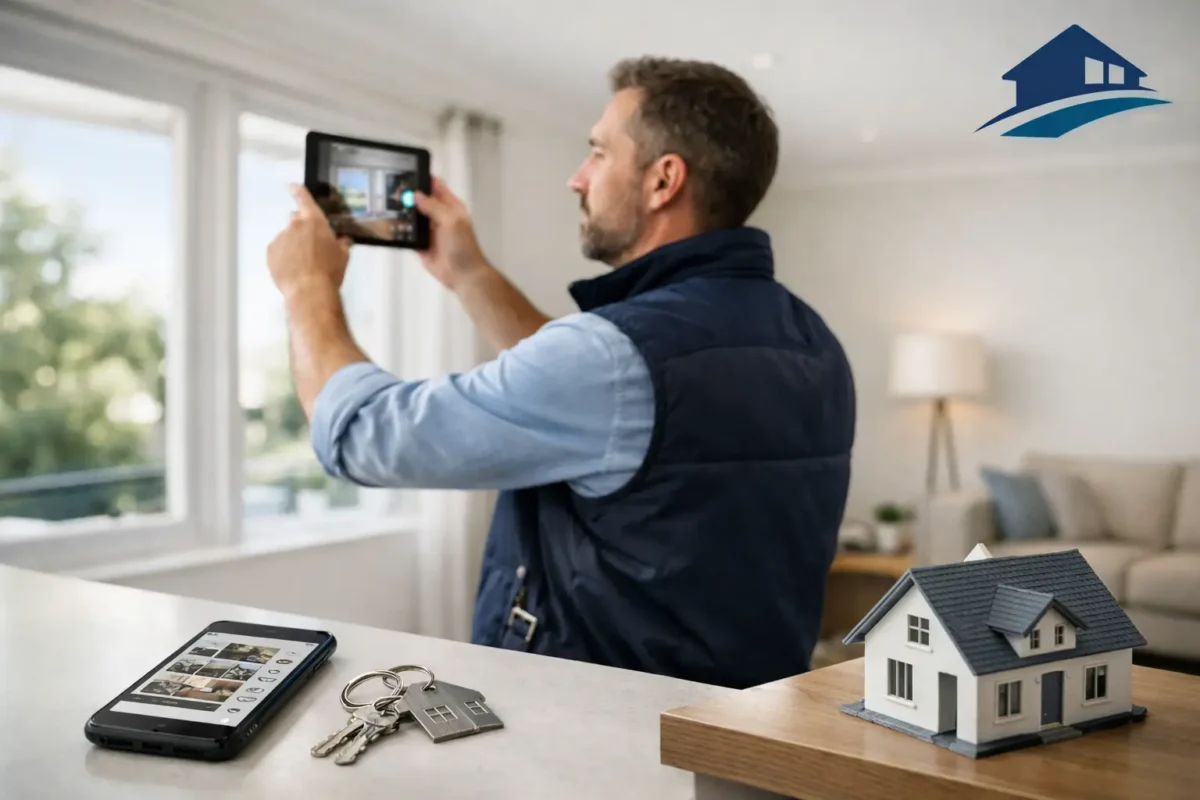
Photos and videos carry weight when they are organized, dated, and attached to the relevant inspection item. Random images stored on a phone create work later. Photos connected to a specific condition report create a usable record.
Quality matters here. Images should be clear enough to show the condition being described. Wide shots establish the room, while close-ups document the actual issue. Video can be helpful for functioning appliances, water flow, doors, windows, and overall walkthroughs, but it should support the written report rather than replace it.
Digital signatures and resident participation
A move-in report is stronger when residents can review it, acknowledge receipt, and report legitimate concerns within a defined period. That does not mean every resident complaint is automatically accepted. It means the process is transparent from the start.
Digital signatures and delivery records show that the report was provided. This is particularly helpful when an owner needs to demonstrate a consistent, professional process instead of relying on an unsigned paper file.
Maintenance follow-through
Inspection software should not become a digital filing cabinet where problems go to wait. A useful system connects findings to maintenance action. An issue should be assigned, tracked, updated, and verified after completion.
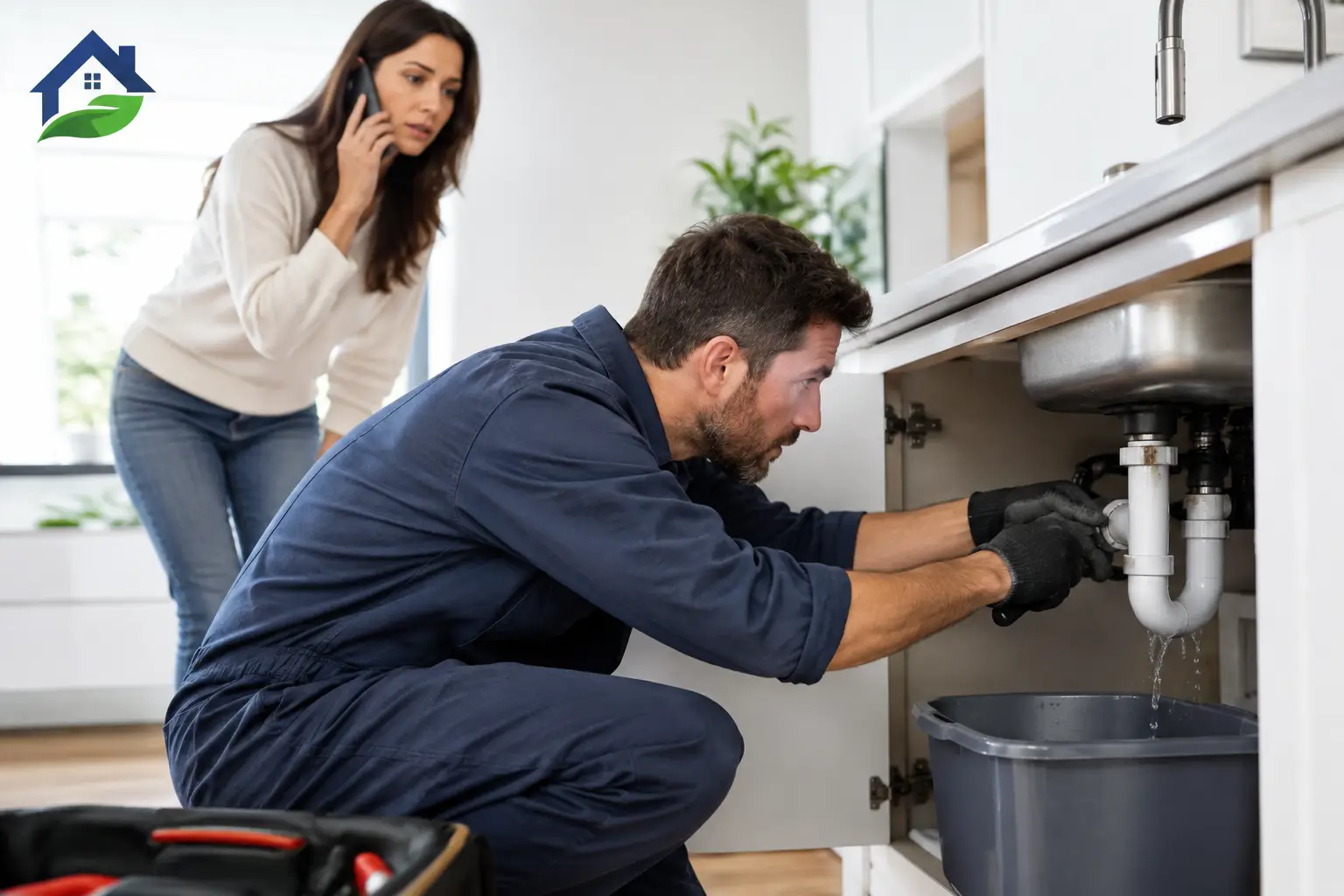
This is where the practical value becomes obvious. An inspection identifies a dripping supply line. The repair is scheduled. Completion photos are added. The record remains attached to the property history. That is a cleaner process for owners, residents, managers, and vendors.
The Inspection Workflow That Prevents Avoidable Disputes
Technology only works when the workflow is disciplined. The most effective approach starts before the resident receives the keys. Complete the move-in inspection after cleaning and repairs are finished, not while vendors are still moving through the home. Document the property as delivered, including appliances, fixtures, keys, remotes, and visible conditions.
During the tenancy, schedule inspections according to the property type, lease terms, and known maintenance risks. A single-family home with a yard, exterior equipment, and an aging HVAC system may need a different inspection approach than a condo where association rules control much of the exterior. There is no one schedule that fits every rental.
At move-out, compare the new report directly against the move-in record. The goal is not to charge residents for every mark or sign of use. Normal wear occurs. The goal is to identify documented damage, missing items, cleaning concerns, and repairs that are truly beyond ordinary use. Fair, evidence-based decisions are more likely to hold up and less likely to create unnecessary conflict.
For vacation rentals, the pace is faster. Turnover inspections should verify cleanliness, inventory, safety items, linens, appliances, and any guest-caused damage between stays. A delayed discovery can mean a poor guest experience, a refund request, or a blocked booking calendar. In that setting, inspection records are part of revenue management.
What Software Cannot Do for You
Rental inspection software is powerful, but it is not a substitute for trained judgment. A checklist cannot determine whether a subtle ceiling stain is cosmetic or a sign of an active leak. A photo cannot replace a knowledgeable inspection of a failing air-conditioning unit. And no app can make a poor process fair if the person using it rushes, skips rooms, or writes unclear notes.
The trade-off is simple: more documentation takes more time upfront. But the cost of incomplete documentation is usually higher when a repair is missed, a deposit claim is challenged, or an owner has no proof of a property’s condition. The answer is not to document everything endlessly. It is to document consistently and focus on the items that affect safety, maintenance, value, and accountability.
Choose a System That Works With Your Management Process
Before selecting rental inspection software, owners should ask how it fits the complete management operation. Can reports be completed in the field without creating duplicate work? Can photos, notes, and repair history be easily retrieved? Can residents receive records promptly? Can the manager show owners what was found, what was approved, and what was completed?
A polished app is not enough if it creates gaps between inspections, maintenance, accounting, and owner communication. The strongest result comes from a manager who combines technology with clear standards and real follow-through.
At 10starhomes, the goal is straightforward: give owners a clear view of their property while handling the day-to-day work that protects it. Organized inspections, documented maintenance, and responsive communication help reduce surprises without adding unnecessary complexity or hidden costs.
Your rental should never be managed by guesswork. When every inspection creates a clear record and every issue has a documented next step, you can protect the property, make faster decisions, and keep the focus where it belongs: stable income and long-term value.