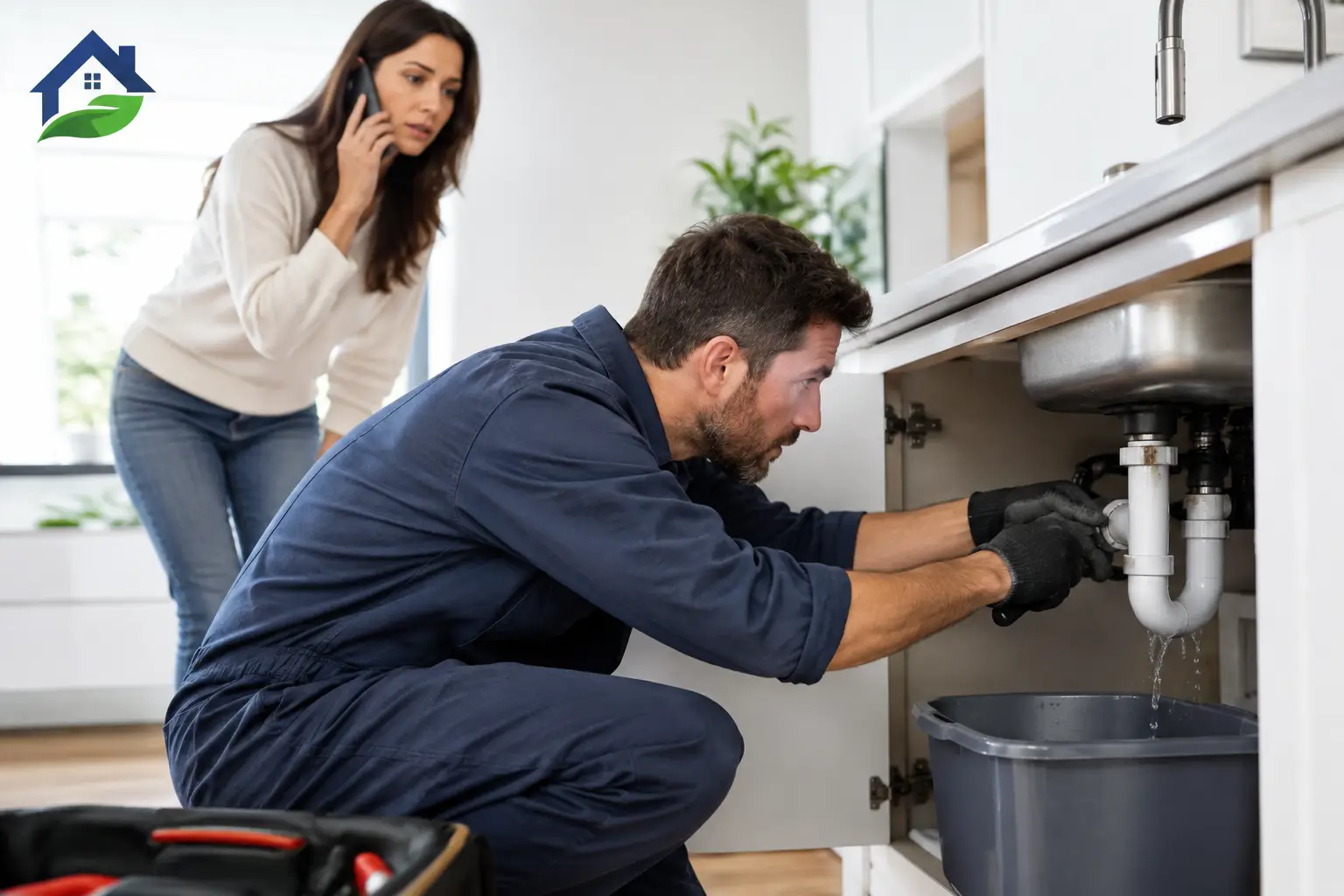

A leaking roof over one vacant unit is a repair. The same leak above occupied apartments, left unaddressed through a Florida rainstorm, can become damaged drywall, mold concerns, resident frustration, insurance claims, and lost rent. This multifamily maintenance planning guide helps owners turn maintenance from a costly reaction into a controlled operating system that protects the property and its income.
For multifamily owners, the goal is not to eliminate every repair. That is unrealistic. The goal is to catch predictable issues early, respond fast when conditions affect safety or habitability, and make decisions based on asset protection rather than the loudest complaint in the inbox.
Start With a Complete Property Baseline
A useful maintenance plan begins with facts, not assumptions. Before assigning seasonal tasks or setting a repair budget, document the condition of every major building system: roof, exterior walls, drainage, plumbing, electrical, HVAC, water heaters, common areas, appliances, doors, windows, parking surfaces, and life-safety equipment.
Walk every unit on a planned schedule, not only when a resident moves out. Unit turns reveal plenty, but waiting for turnover can leave small issues growing for years inside occupied apartments. Record the age, condition, expected service life, and repair history for each major component. Photos matter because they establish a clear baseline and help distinguish normal wear from new damage.
This process also identifies where a property’s real exposure sits. A building with newer roofs but aging cast-iron plumbing needs a different budget and inspection routine than a property with old HVAC equipment and poor exterior drainage. A generic checklist is helpful, but the plan must reflect the actual asset.
Build an Equipment Register
Keep a simple, centralized register for all shared and high-cost equipment. Include model and serial numbers, installation dates, warranty details, vendor contacts, service records, filter sizes, and anticipated replacement dates. For properties with multiple buildings, identify the exact building and unit or common-area location.
This is not paperwork for paperwork’s sake. When an air-conditioning system fails during a Tampa Bay heat wave, a complete record helps the maintenance team order the right part, verify warranty coverage, and make a faster repair decision. It also gives owners evidence for capital planning instead of relying on vague estimates.
Separate Emergency, Preventive, and Capital Work
The strongest maintenance plans sort work by urgency and purpose. Without that structure, emergency calls consume the budget while known problems keep getting postponed.
Emergency maintenance involves conditions that threaten life, safety, security, or the building itself. Active flooding, electrical hazards, fire or smoke issues, no cooling during dangerous heat, major sewer backups, and unsecured exterior doors require immediate action. Owners should have a clear after-hours response process, approved spending authority, and vendor coverage before the call comes in.
Preventive maintenance is scheduled work intended to avoid breakdowns. Examples include HVAC servicing, gutter cleaning, roof inspections, drain-line treatment, caulking, testing smoke and carbon monoxide alarms where required, checking handrails, and servicing water heaters. These tasks can feel less urgent because nothing has failed yet. That is exactly why they protect cash flow.
Capital work covers major replacements or improvements with a long-term benefit, such as reroofing, repaving, replacing windows, upgrading electrical panels, or replacing aging HVAC systems across multiple units. Capital projects require advance scope development, bids, resident communication, and realistic timing. Treating capital needs as ordinary repairs creates surprise expenses and rushed decisions.
Set a Calendar That Matches Florida Conditions
A calendar turns good intentions into repeatable work. In Central and Southwest Florida, moisture, heat, salt air near the coast, heavy rain, hurricanes, and year-round HVAC use should shape the schedule.
Quarterly inspections are a practical starting point for common areas and major systems. Check for roof penetrations, clogged drains, standing water, loose railings, exterior lighting outages, pest entry points, damaged sealant, trip hazards, and signs of leaks. During wet months, increase attention to drainage, roof conditions, and exterior openings. Before storm season, inspect trees, secure loose exterior items, confirm emergency vendor availability, and review property-specific response procedures.
HVAC deserves consistent attention because comfort complaints quickly become retention problems. Replace filters on schedule, clean condensate lines, inspect drain pans, and service systems before peak demand. The cheapest option is not always the best choice here. Skipping service may save a small amount now but can lead to water damage, an emergency replacement, or a resident without cooling when technicians are fully booked.
Schedule Unit Access Carefully
Residents should receive clear written notice for non-emergency entry, along with a specific appointment window and a simple explanation of the work. Respectful communication reduces missed appointments and helps residents understand that inspections protect their home as well as the building.
When technicians are already in a unit for preventive service, they can also look for slow leaks under sinks, bathroom caulk failure, damaged weatherstripping, smoke alarm issues, and unauthorized alterations. The visit should remain focused and professional. A maintenance inspection is not a reason to disrupt residents unnecessarily.
Budget for Maintenance Before Repairs Arrive
Maintenance planning is financial planning. Monthly operating budgets should include routine service, seasonal work, recurring contracts, and a reserve for unpredictable repairs. Capital reserves should be separate from everyday maintenance so a water heater replacement does not quietly erase funds needed for a roof project.
There is no single percentage that fits every multifamily property. A newer, well-built property may need lower near-term capital funding but still requires preventive service. An older building with deferred maintenance needs a more aggressive reserve and a prioritized replacement schedule. Review actual spending against the budget monthly, then look for patterns by building, unit type, system, and vendor.
Repeated repairs are a signal. If the same appliance, plumbing line, or HVAC system needs service several times, compare the cumulative repair cost, resident disruption, expected remaining life, and replacement cost. Repairing is often sensible. Continuing to repair equipment that is unreliable, inefficient, and near failure is usually false savings.
Create Clear Approval Rules and Vendor Standards
Delays often happen because nobody knows who can approve what. Establish spending thresholds in advance. Routine repairs under a defined amount can move quickly, while larger expenses should include photos, a written scope, and owner approval unless an emergency requires immediate action.
Use qualified, insured vendors who communicate well and document their work. Price matters, especially for owners focused on profitability, but the lowest quote can become expensive when work is incomplete, unlicensed, poorly documented, or repeated. Measure vendors on response time, workmanship, invoice clarity, resident professionalism, and callback rates.
For recurring needs, build relationships before an emergency. Maintain reliable contacts for plumbing, HVAC, electrical, roofing, restoration, pest control, and landscaping. Keep at least one backup option for critical trades. During severe weather or a widespread outage, the vendor that answers first is not always the vendor that can finish the job correctly.
Track the Numbers That Protect Income
A maintenance plan should make performance visible. Track average response time, completion time, emergency volume, repeat work orders, maintenance cost per unit, vacancy-turn days, and the percentage of work that is preventive versus reactive.
Those numbers reveal operational problems early. A rise in plumbing calls in one building may point to aging supply lines. Longer turn times may indicate delayed vendor scheduling or poor inspection standards. A high share of emergency work usually means preventive tasks are being missed, deferred, or underfunded.
Resident feedback belongs in the review as well. Tenants do not expect a property to be perfect, but they do expect clear communication and reasonable action when something affects their home. Fast updates during a repair can protect resident trust even when a part must be ordered.
Use the Plan to Make Better Ownership Decisions
The best multifamily maintenance planning guide is one your team actually uses. It should be simple enough for daily decisions and detailed enough to support budgeting, vendor accountability, and owner reporting. Review it quarterly, update replacement timelines after inspections, and adjust priorities when the property reveals new risks.
For owners who do not want to manage service calls, vendor follow-up, inspections, and documentation themselves, professional coordination can remove the daily burden without sacrificing visibility. 10starhomes helps Tampa Bay owners keep maintenance organized, transparent, and focused on protecting both the property and rental income.
A well-maintained multifamily property does more than avoid repair bills. It gives residents a reason to stay, gives owners clearer control over expenses, and gives every future decision a stronger foundation.