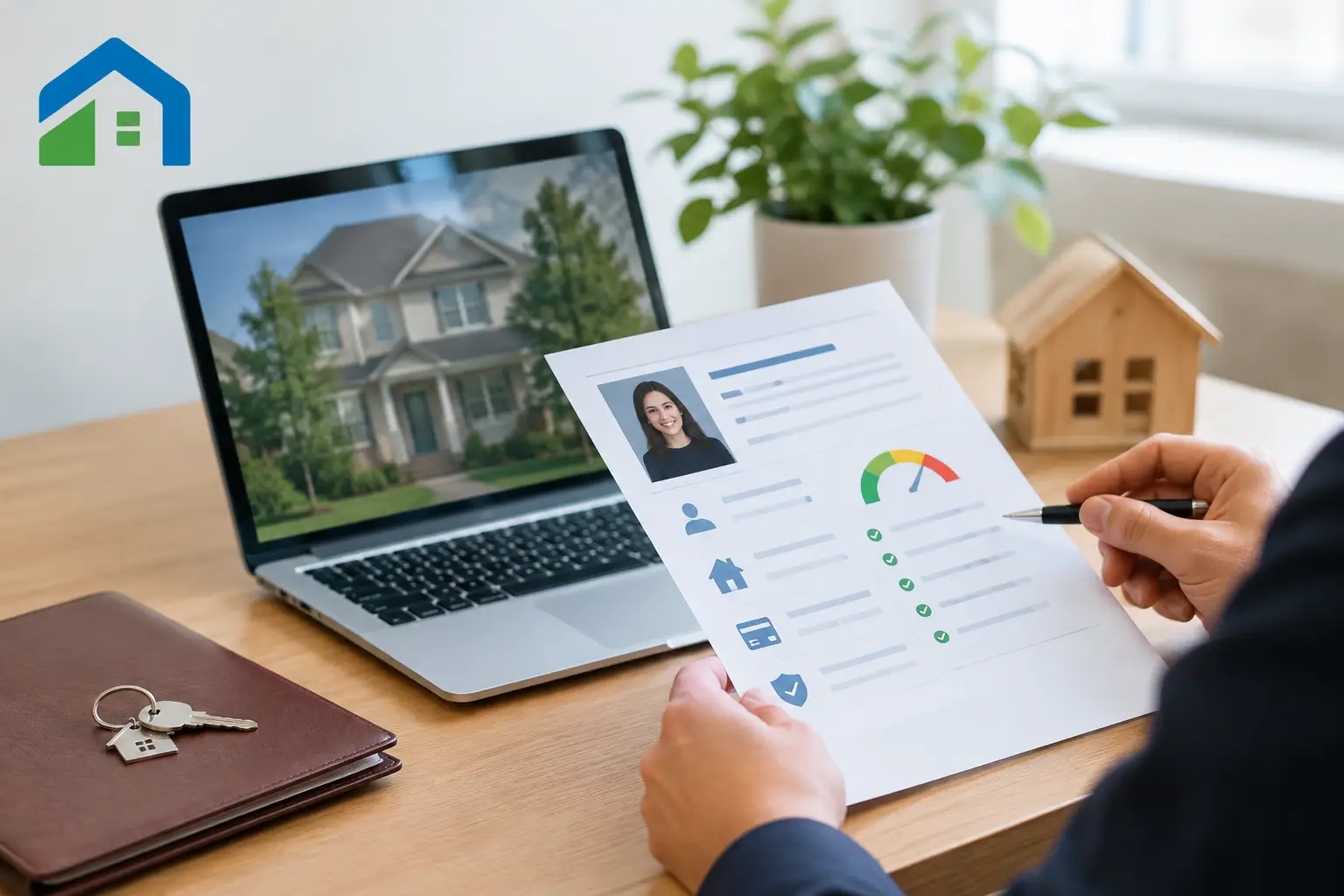
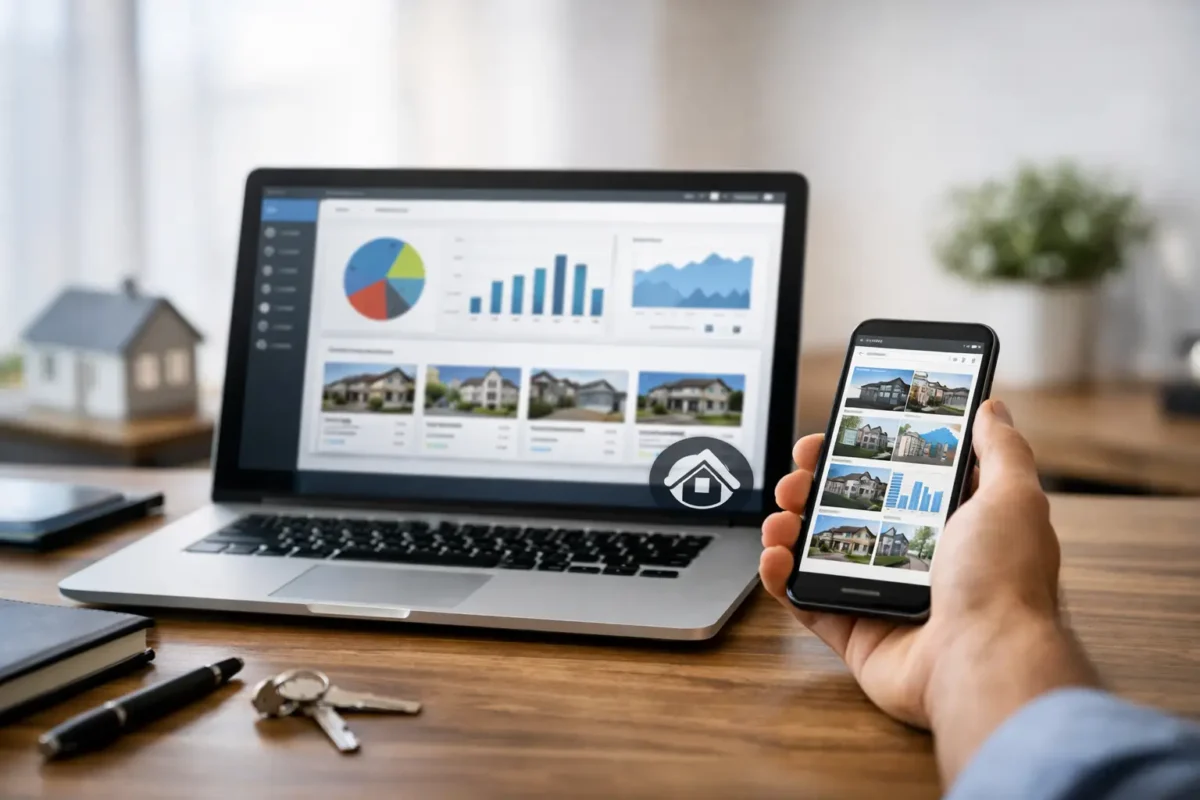
A rental property can be performing well while the owner still feels out of control. Rent may be arriving, but unanswered maintenance questions, unclear charges, missing inspection records, and delayed statements create uncertainty. The best rental owner portals solve that problem by giving owners immediate access to the information that affects cash flow, property condition, and tenant accountability.
For busy landlords and real estate investors, a portal is not just a place to download a monthly statement. It should be the operating window into the property manager’s work. If you own rentals in Tampa Bay from out of state, manage several units, or simply do not want to chase updates by email, the right portal can save time while helping you make faster, better decisions.
What Makes the Best Rental Owner Portals Different?
A basic portal stores documents. A strong owner portal gives you a clear, current view of what is happening at your property without making you request routine information.
That distinction matters. Rental income is affected by vacancies, late payments, maintenance costs, lease timing, and turnover speed. When the data is scattered across emails, text messages, invoices, and spreadsheets, owners are forced to react after a problem has already become expensive. A useful portal puts the most important details in one place and makes them easy to understand.
The best rental owner portals prioritize three things: visibility, speed, and accuracy. You should be able to see money coming in and going out, review property activity, and find the supporting records behind each decision. Owners do not need more dashboards for the sake of technology. They need fewer surprises.
The Features Owners Should Expect
Clear financial reporting
Your portal should show more than a single deposit total. Look for real-time or regularly updated balances, rent collection status, owner distributions, management charges, invoices, and monthly statements. The numbers should be organized clearly enough that you can quickly separate normal operating expenses from unusual costs.
For investors with multiple properties, the ability to view performance by property is especially valuable. A portfolio total can look healthy while one unit is losing money due to repeated repairs, extended vacancy, or below-market rent. Good reporting helps you spot that early.
Tax season is another practical test. A portal should make year-end statements and transaction histories easy to locate. If you still need to email the management company for documents every January, the system is not doing enough of the work.
Maintenance tracking with real updates
Maintenance is where many owner portals prove their value or expose their limits. Owners need to know when a repair was reported, what the issue is, whether it is urgent, how the repair is being handled, and what it will cost.
The right level of detail depends on the property and the owner’s preferences. A leaking water heater requires immediate action. Waiting for approval can cause far more damage than the repair itself. A non-urgent cosmetic request, on the other hand, may need an estimate and owner review first. The portal should show this process clearly rather than leaving the owner wondering why a charge appeared on a statement.
The most useful systems keep repair requests, photos, vendor invoices, approvals, and completion notes together. That creates a record that protects the owner, supports quality control, and makes recurring issues easier to identify.
Lease, tenant, and vacancy visibility
Lease dates are not minor administrative details. They determine when to start renewal conversations, plan marketing, prepare for turnover, and protect occupancy. A good portal lets you see current lease terms, renewal status, security deposit information, and upcoming expirations without asking for a manual update.
For vacant properties, owners should be able to see the status of marketing, applications, showings, screening, and lease signing. This is particularly important during a turnover. Every day a home sits empty is a direct hit to annual returns.
Privacy still matters. Owners need meaningful status updates and lease documents, not unrestricted access to a tenant’s sensitive personal data. The best systems balance transparency with responsible data handling.
Documents that are actually easy to find
A portal becomes useful when records are organized by property and available when you need them. Common documents include management agreements, signed leases, addenda, move-in and move-out reports, inspection photos, owner statements, invoices, tax forms, and insurance-related records.
Move-in documentation deserves special attention. Detailed photos and condition reports establish the baseline for property condition. At move-out, they help support fair deposit decisions and identify damage beyond normal wear and tear. When these records are stored in a portal, owners are not left searching through old email attachments during a dispute.
Mobile access and simple communication
Owners are rarely at a desk when a question comes up. Mobile-friendly access is not a luxury for an investor managing property from another city, state, or country. You should be able to check an update, review an invoice, or approve a non-emergency repair without waiting to get back to a computer.
Communication tools can help, but they should not replace real accountability. A message center is helpful when it preserves a clear record of conversations and keeps property-specific questions in context. It is less helpful when it becomes a black hole where requests go unanswered. Technology should make the manager easier to reach and easier to evaluate.
How to Compare Owner Portals Before Signing
Do not judge a portal from a polished login screen or a short feature list. Ask to see the owner experience from beginning to end. A serious property manager should be able to explain exactly what you will see, how often information updates, and which actions require your approval.
Start with financial transparency. Can you see every income and expense item, along with supporting invoices? Are management fees displayed clearly? If the company promotes flat-rate pricing or no hidden fees, the portal should reinforce that promise, not make charges harder to understand.
Next, ask how maintenance approvals work. Find out the emergency spending threshold, whether estimates are provided for larger repairs, and how you receive completion confirmation. A low management fee does not help if unmonitored repairs create unnecessary expense later.
Then review document access and reporting. Confirm that you can retrieve statements, leases, inspection reports, and year-end documents whenever you need them. Ask whether records remain available after a tenant moves out or a property is sold.
Finally, test the communication standard behind the software. A portal cannot replace an experienced team that answers questions, coordinates vendors, handles tenant concerns, and follows through. The portal should provide proof of the work, not become an excuse for less personal service.
Portal Features That Can Affect Your Bottom Line
Not every feature has the same financial impact. Owners should focus on the tools that reduce preventable losses.
Fast access to vacancy updates helps you monitor how long a property has been off the market. Lease expiration alerts make it easier to address renewals before a resident decides to leave. Maintenance histories can reveal repeated problems, such as an aging appliance that is consuming repair dollars one service call at a time.
Accurate statements also matter beyond bookkeeping. They show whether rental income is covering operating costs, whether reserve funds are adequate, and whether a property is performing as expected. For owners evaluating a refinance, sale, or another purchase, dependable records make the next decision easier.
For short-term and vacation rentals, the portal requirements may be different. Occupancy, booking revenue, cleaning expenses, guest damage, and seasonal performance can matter more than traditional lease dates. Commercial owners may need visibility into vendor work, tenant charges, and lease obligations. The best platform is the one that reflects how your asset actually operates.
The Portal Is Only as Good as the Team Behind It
A portal can provide access, but it cannot inspect a property, screen a tenant, negotiate a renewal, or respond to a midnight emergency. Those outcomes still depend on the property management team.
That is why owners should look for a manager that pairs clear technology with hands-on execution. At 10starhomes, owner portal access is part of a broader management approach built around transparent reporting, maintenance coordination, tenant communication, and full-service support without confusing fee structures.
The goal is simple: owners should not have to wonder where their money went, whether a repair was completed, or what happens next with a lease. A portal should answer routine questions quickly, while a dependable team handles the work that requires judgment and action.
Before choosing a property manager, request a real portal walkthrough and use your own property as the test case. Ask how you would see a late rent payment, approve a repair, review an inspection, and download a year-end statement. If those answers are clear before you sign, you will have a much better chance of staying informed without becoming the day-to-day manager yourself.