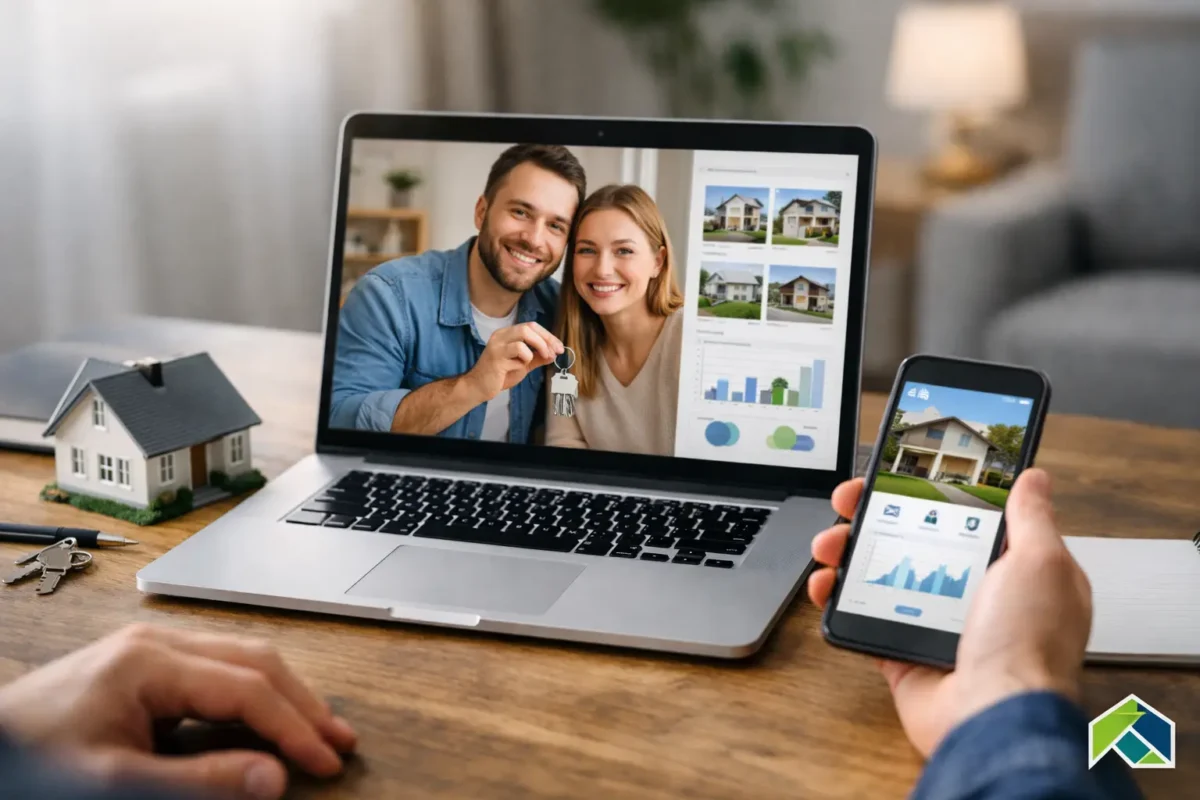
A property owner in Chicago buys a three-bedroom rental in Riverview. The home is ready for tenants, but the owner cannot drive over for a showing, answer a midnight plumbing call, or meet a vendor during work hours. This remote landlord management example shows what professional oversight should look like: the owner stays in control of the investment while a local team handles the work that protects income and the property.
Remote ownership is not about handing over every decision without visibility. It is about building a reliable operating system for leasing, resident communication, maintenance, accounting, and documentation. When that system is clear, distance stops being the reason a rental becomes stressful.
A Remote Landlord Management Example From Start to Finish
Consider this common situation. An investor purchases a single-family home in Tampa Bay as a long-term rental. They live out of state, want dependable monthly income, and do not want to pay inflated fees every time the home needs attention. Their priorities are simple: place a qualified resident quickly, avoid preventable damage, keep vacancy low, and see exactly what is happening with their money.
Before the listing goes live, the manager completes a property assessment. The goal is not to promise an unrealistic rent just to win the account. It is to identify the rent range the local market can support, flag repairs that could hurt showings, and confirm that the home is safe and ready for occupancy.
For this owner, the pre-leasing checklist finds a worn weatherstrip at the back door, an aging smoke detector, and a loose cabinet hinge. None of these items is expensive, but leaving them unresolved creates a poor first impression and can lead to bigger issues later. The owner receives the recommendation, estimated cost, and supporting photos through the owner portal. They approve the work remotely.
That is the first practical benefit of professional management: decisions are documented and easy to make. The owner does not need to coordinate multiple calls from another time zone or wonder whether a repair was completed.
Marketing That Reaches Qualified Renters
Once the home is ready, the manager creates a complete listing with professional presentation, accurate property details, and a 3D virtual tour when appropriate. Virtual tours are especially useful for reducing unnecessary showings and helping serious renters understand the layout before they visit.
The property is promoted where active renters are searching, with social media exposure supporting visibility. Every inquiry receives a prompt response, and showings are coordinated locally. Fast follow-up matters. A rental can lose qualified prospects when calls, texts, or application questions sit unanswered for days.
The owner sees listing activity and application progress without needing to manage the advertising. They remain informed, but they are not stuck performing the daily leasing role.
Screening Is Where Remote Owners Need Standards
An out-of-area owner should never have to choose a resident based on a short phone conversation or a hopeful story. Consistent screening protects the property, the owner’s cash flow, and the resident community.
In this example, applicants are evaluated under established rental criteria. Income verification, rental history, credit considerations, and background screening are reviewed according to applicable laws and consistent procedures. The objective is not to find a perfect applicant. It is to make a defensible, informed leasing decision based on reliable information.
The selected resident signs the lease electronically, completes required move-in steps, and receives clear expectations for rent payments, maintenance reporting, and property care. The owner gets a copy of the lease and move-in documentation in the portal. There is no need to print, scan, mail, or chase signatures across state lines.
How the Day-to-Day Management Works Remotely
After move-in, remote management becomes less visible when it is working well. Rent is collected through an online payment system, resident questions are directed to the management team, and the owner receives regular financial reporting. But quiet operations do not mean no oversight. They mean the right people are handling the details before they become owner emergencies.
In month two, the resident reports that the air conditioner is not cooling properly. In Florida, that needs quick attention. The management team gathers the issue details, coordinates a qualified vendor, and communicates with the resident about access and scheduling. The owner receives notice and documentation based on the agreed approval process.
A good manager does not use maintenance as an excuse for surprise charges or vague invoices. The owner should understand what happened, why the repair was needed, what it cost, and whether additional action is recommended. For routine issues, speed often prevents further damage and protects resident satisfaction. For major repairs, the owner should receive enough information to make a confident decision.
The Approval Process Must Be Clear
Remote landlords need an agreed maintenance threshold before the first service request arrives. For example, an owner may authorize repairs under a set dollar amount so urgent routine work can move forward without delay. Anything above that amount requires owner approval unless it is an emergency involving safety, active water damage, or habitability.
This approach balances control with practicality. Requiring approval for every minor repair can frustrate residents and slow down simple fixes. Giving unlimited authority without reporting can create distrust. The right threshold depends on the owner’s budget, property condition, and risk tolerance.
For an emergency, the priority is protecting people and the asset. A burst pipe, electrical hazard, or serious loss of essential service cannot wait for an owner to wake up, check email, and approve a call. That is why 24/7 emergency response is a core part of remote management, not an optional extra.
Reporting That Lets Owners Manage by Numbers
At the end of each month, the owner reviews a statement showing rent received, management costs, maintenance expenses, and the distribution amount. Digital records also make tax preparation easier because transactions, invoices, and supporting documents are organized throughout the year rather than reconstructed later.
The report should answer basic investment questions quickly. Was rent paid? Is the resident current? What maintenance was completed? What funds are available? If there is a problem, what is the next step?
Remote owners do not need a complicated spreadsheet full of unexplained codes. They need clean reporting and responsive answers. Transparent billing matters just as much as timely reporting. A low monthly management rate only creates value when it is not offset by upcharges, hidden administrative fees, or unnecessary markups.
Inspections and Documentation Protect the Asset
Distance makes property condition reporting essential. In this example, move-in documentation establishes the home’s baseline condition with written notes and photos. Scheduled inspections, where appropriate and permitted by the lease and law, help identify concerns such as unreported leaks, unauthorized occupants, neglected landscaping, or damage that could worsen.
Inspections should be purposeful, not intrusive. A manager is looking for early warning signs and verifying that the home is being cared for. If an issue is found, the owner gets a clear report with recommended action. That can mean a resident reminder, a repair estimate, or further follow-up.
At move-out, detailed reporting becomes especially valuable. It helps distinguish ordinary wear from resident-caused damage, supports any lawful security deposit accounting, and creates a punch list to return the home to market quickly. Vacancy is expensive, so a fast, documented turnover directly supports rental performance.
What This Example Does Not Promise
No management company can guarantee that every resident will renew, every repair will be cheap, or every market will support the rent an owner wants. Insurance costs, local demand, property age, storm exposure, and resident behavior all affect results.
What a capable local manager can provide is disciplined execution. That means honest rental guidance, consistent screening, fast communication, organized accounting, documented maintenance, and a clear process when problems arise. Those fundamentals reduce avoidable risk and give a remote owner a much stronger position than trying to manage every detail from hundreds of miles away.
For owners who want hands-on local support without a premium-priced management structure, 10starhomes brings full-service management into one straightforward system. Leasing, resident communication, maintenance coordination, reporting, and emergency response should not require endless add-on fees or a lock-in contract to work.
The best remote rental plan starts before the first listing is published: choose a manager with transparent pricing, set decision thresholds, keep reporting accessible, and insist on documentation. Then your property can keep performing locally while you manage the investment from wherever you are.