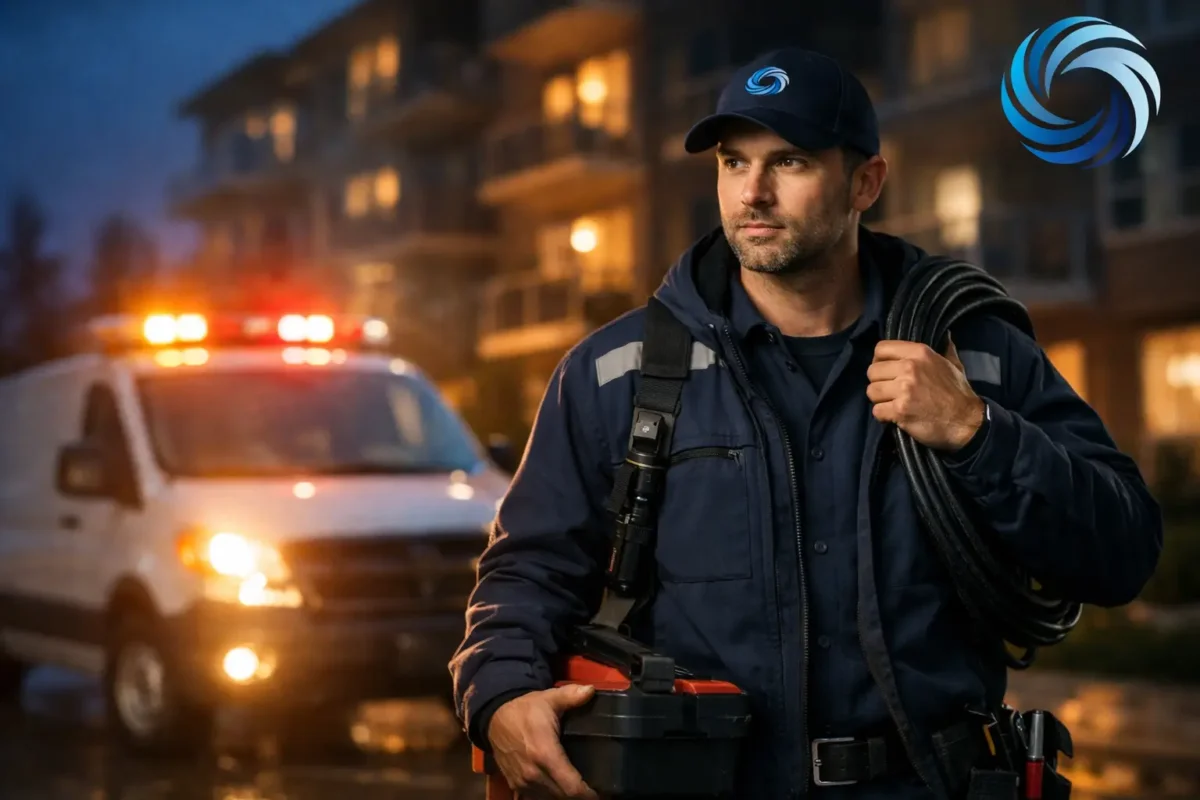
At 2:13 a.m., a tenant is not thinking about your maintenance budget. They are thinking about water spreading across the floor, a broken AC in Florida heat, or a front door that will not lock. That is exactly why a 24 7 emergency maintenance service is not a nice extra for rental owners. It is part of protecting income, limiting damage, and keeping residents safe.
For landlords and investors, the real cost of an emergency is rarely the first repair. It is the chain reaction that follows when no one responds fast enough. A leak becomes drywall damage. A failed electrical issue becomes a safety concern. A lockout turns into an angry resident, a poor review, or a lease renewal that never happens. Speed matters, but judgment matters just as much.
What a 24 7 emergency maintenance service should actually do
A true 24 7 emergency maintenance service is not just an answering line. It should be an active system for triaging problems, dispatching qualified vendors, communicating with residents, and documenting what happened. If the only thing available after hours is voicemail, that is not emergency coverage. That is delay.
Owners need a process that separates real emergencies from routine maintenance without leaving tenants guessing. A refrigerator issue can often wait until business hours. A sewage backup cannot. No heat during a cold snap, no AC during extreme Florida heat, active leaks, electrical hazards, broken exterior doors, and fire or storm damage all need fast action. The goal is to send the right help at the right time, not over-dispatch for every inconvenience and not underreact to serious risk.
That balance matters because emergency maintenance affects both operating costs and asset protection. If every late-night call becomes a premium-rate vendor invoice, owners lose margin. If serious issues get pushed off until morning, owners risk major damage. Good management protects against both outcomes.
Why 24 7 emergency maintenance service protects cash flow
Many owners think of emergency response as a tenant service issue first. It is that, but it is also a financial control issue. The faster a real emergency is addressed, the better the odds of avoiding a larger repair, an insurance claim, or a resident dispute.
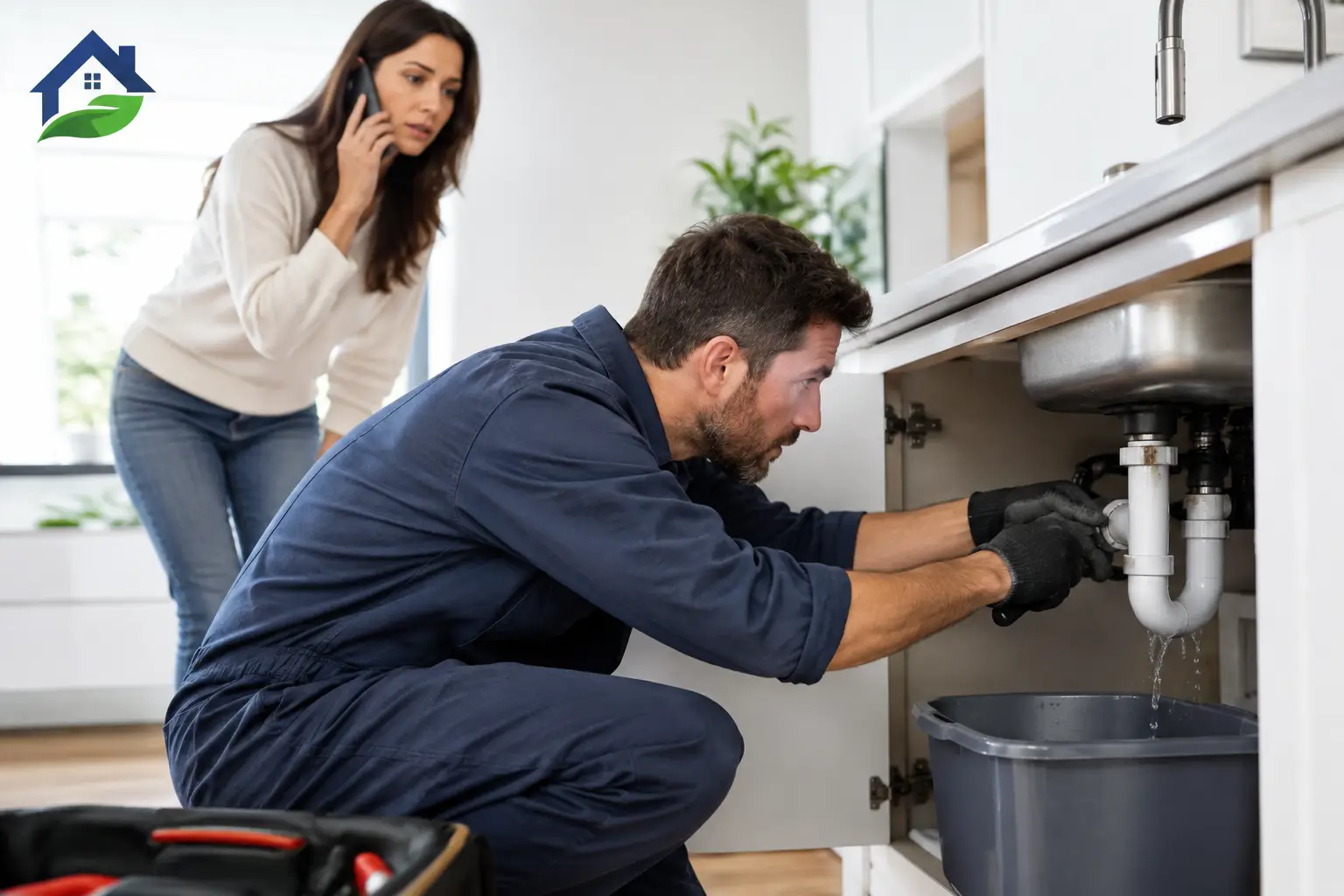
Take a simple plumbing leak. If it is caught and stopped quickly, the repair may be limited to a supply line, a service call, and minor cleanup. If the response drags, that same event can lead to damaged flooring, cabinet replacement, mold remediation, and days or weeks of unit disruption. One overnight delay can wipe out months of cash flow.
The same logic applies to HVAC failures. In a market like Tampa Bay, air conditioning is not a small comfort issue for long. It can quickly become a habitability complaint, especially for families with children, elderly occupants, or residents with health concerns. Fast response protects the resident, but it also protects the owner from vacancy risk, lease friction, and preventable escalation.
The difference between emergency maintenance and expensive chaos
Not every after-hours call should trigger a rushed repair. That is where owners need experience, not guesswork. A strong emergency program starts with clear definitions, trained call handling, and vendor relationships that can move fast when the problem is real.
For example, a clogged toilet in a one-bathroom home may be urgent. The same issue in a two-bathroom property may be manageable until morning if there is no overflow. A power outage limited to one home may point to an electrical problem and require immediate attention. A neighborhood-wide outage is different. Context changes the response.
This is where many self-managing landlords get squeezed. They either overreact and pay premium rates for non-emergencies, or they wait too long because they are unsure what qualifies. Neither option is efficient. Professional maintenance coordination creates a decision framework so owners are not making high-stakes calls half awake.
What owners should expect from after-hours maintenance
If you are trusting someone to handle emergencies for your rental, the standard should be higher than simple availability. You want fast intake, clear escalation rules, reliable vendors, and documentation that protects you later.
The first part is communication. Residents need a way to report urgent issues at any hour and know that a real person or monitored system is handling the call. The second part is triage. Someone has to ask the right questions, determine the level of risk, and decide whether immediate dispatch is required. The third part is execution. If the issue is urgent, there must be a vendor network ready to respond.
Documentation is often overlooked, but it matters. Owners should know what was reported, when it was reported, who responded, what temporary steps were taken, and what follow-up is needed. That record helps with billing clarity, insurance support, resident communication, and future maintenance planning.
Common emergencies in rental properties
In residential rentals, emergencies usually fall into a few categories: water intrusion, HVAC failure, electrical hazards, sewer backups, lock and security problems, and storm-related damage. Vacation rentals can add a layer of urgency because guest turnover is faster and reputation is more exposed. Commercial properties may involve access issues, plumbing disruptions, or safety risks that affect business operations.
The right response also depends on property type and occupancy. A single-family rental with one tenant household has different pressure points than a multifamily building or a short-term rental with incoming guests. That is why a one-size-fits-all approach tends to fail. The system has to fit the asset.
Why local coverage still matters
Technology helps, but local execution is what solves the problem. A resident portal can log a request. It cannot stop a leak. Owners in the Tampa Bay market need emergency coordination backed by actual field capacity, local vendor relationships, and familiarity with how weather, humidity, and seasonal demand affect maintenance response.
That local piece becomes even more important during storms and peak HVAC season. Vendor availability tightens, parts can be delayed, and response windows get longer if there is no established system in place. Owners who wait until an emergency happens to figure out who to call usually pay more and wait longer.
How emergency maintenance affects tenant retention
Tenants remember how a property performs when something goes wrong. They may never notice smooth accounting or backend compliance work, but they will absolutely remember whether anyone helped them during a midnight emergency.
That has a direct effect on retention. Residents are far more likely to renew when they believe the property is managed seriously and their safety concerns are handled quickly. On the other hand, a slow or confusing emergency response can damage trust fast. Even if the repair is eventually completed, the experience leaves a mark.
For owners, this is not just about service reputation. Turnover is expensive. Vacancy, cleaning, leasing, and make-ready costs add up quickly. Strong emergency response helps protect the resident relationship before it becomes a move-out decision.
What to ask before relying on a 24 7 emergency maintenance service
Owners should ask simple, direct questions. Who answers after-hours calls? How are emergencies defined? Which vendors are available nights and weekends? How are residents charged or not charged for tenant-caused issues? What kind of reporting follows the event? Is there a temporary fix process when full repairs must wait until morning?
The answers should be specific. Vague promises are a red flag. Emergency maintenance only works when the process is clear before the phone rings.
This is also where transparent pricing matters. Some providers advertise low management fees but add markups, coordination charges, or surprise billing when maintenance happens. That creates friction right where owners need confidence most. A better model is simple, upfront, and easy to audit.
24 7 emergency maintenance service is part of real asset protection
Rental ownership is not just about collecting rent. It is about protecting an income-producing asset under real-world conditions. Pipes break. AC systems fail. Storms hit. Tenants get locked out. The question is not whether emergencies will happen. The question is whether your process can contain them before they become bigger losses.
That is why serious owners do not treat emergency maintenance as an afterthought. They treat it as part of operations, risk control, and resident retention. A dependable system reduces damage, preserves trust, and keeps small incidents from turning into expensive messes.
For owners who want fewer surprises and better control, the smartest maintenance plan is the one that works when the call comes in after hours, not just when the office is open. In a business built on protecting cash flow, fast and competent response is not overhead. It is part of the return.