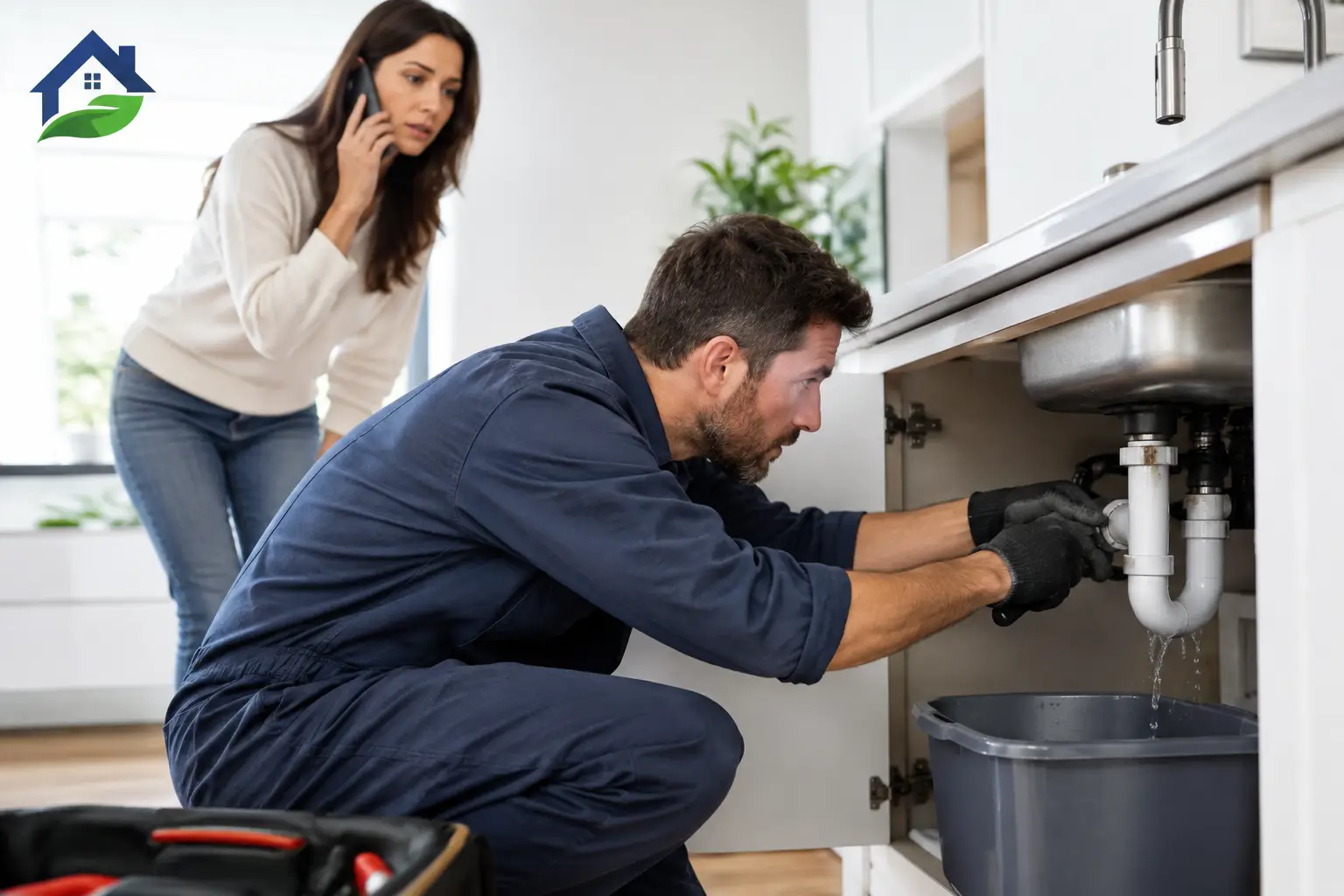

A leaking water heater at 9:30 p.m. is not the time to figure out your process. If you own rental property, knowing how to handle maintenance requests before something breaks is what protects your time, your cash flow, and the condition of the home.
The difference between a manageable repair issue and an expensive problem usually comes down to speed, documentation, and clear communication. Owners who treat maintenance as a system instead of a series of interruptions make better decisions, keep residents longer, and avoid the kind of deferred damage that eats into returns.
Why maintenance requests get expensive fast
Most maintenance problems do not start as major repairs. A slow leak turns into cabinet damage. A loose handrail becomes a liability issue. A tenant who waits three days to report an HVAC problem in Florida can leave you with a larger repair bill and a frustrated resident.
That is why the goal is not just to fix things. The goal is to create a process that gets the right issue in front of the right person at the right time. Good maintenance handling protects the asset, reduces resident complaints, and helps you control vendor costs instead of reacting under pressure.
For landlords managing one property or a growing portfolio, the real challenge is consistency. If every request is handled differently, costs drift, response times slow down, and documentation gets messy when you need it most.
How to handle maintenance requests with a clear system
The best system is simple enough to use every time. It should tell tenants how to report problems, tell you how to classify them, and tell vendors when to act.
Start with one reporting channel. That might be an online portal, email, or a dedicated phone line, but it should be one primary method for routine issues. If tenants text, call, email, and send social messages depending on the day, requests will get lost. A single channel creates accountability on both sides.
Next, separate emergencies from routine repairs. This is where many owners lose control. Not every inconvenience is an emergency, but some issues absolutely are. Active water intrusion, no air conditioning during extreme heat, sewer backups, gas smells, electrical hazards, flooding, and no secure entry should be treated differently than a dripping faucet or a loose shelf.
Then build a response standard. Tenants do not expect every problem to be fixed in an hour. They do expect to know you received the request and are acting on it. Even a quick acknowledgment buys time and lowers frustration.
Set expectations before the first repair call
A strong maintenance process starts in the lease and the move-in conversation. Residents should know exactly how to report repairs, what counts as an emergency, and what kind of updates they can expect.
This matters because many maintenance disputes are really communication disputes. A tenant may assume that any issue reported after hours gets immediate service. An owner may assume the tenant knows to shut off the water valve before calling. If expectations were never set, both sides feel let down.
Give residents practical guidance. Tell them when to submit photos, when to call immediately, and what basic steps they should take to reduce damage while waiting for help. That does not mean shifting responsibility for repairs onto the tenant. It means giving them enough information to help protect the property.
For out-of-area investors, this step is even more important. You cannot rely on being nearby to inspect every issue yourself, so your system has to do the heavy lifting.
Triage first, approve second
When a request comes in, the first question is not who to send. It is what kind of problem you are dealing with.
A good triage process starts with a few basics: what happened, when it started, whether the issue is getting worse, whether utilities are affected, and whether there is immediate risk to people or property. Photos and short video clips can save hours of back-and-forth and help you avoid dispatching the wrong vendor.
From there, decide whether the issue needs immediate action, scheduled repair, or further inspection. Sometimes sending a contractor right away is the right move. Sometimes it is smarter to confirm details first. A garbage disposal that “stopped working” may actually just need a reset. A roof leak may be a condensation problem from the HVAC line. Speed matters, but blind speed can waste money.
This is where experienced property managers create value. They know when to dispatch urgently and when to slow down long enough to prevent unnecessary charges.
Document everything like you will need it later
You probably will.
Every maintenance request should have a record of the original complaint, time received, photos if available, vendor communication, approval amount, invoices, and completion notes. If a resident later claims the issue was ignored, or a vendor says extra work was authorized, your paper trail matters.
Documentation also helps you spot patterns. If the same plumbing issue keeps showing up, you may not have a tenant behavior problem or a one-time repair. You may have a system failure that needs a more permanent fix.
For owners focused on profitability, this is not busywork. Good records help control recurring costs, support security deposit decisions, and reduce legal exposure when habitability questions come up.
Choose vendors before you need them
One of the most expensive ways to handle maintenance is to start calling around after the emergency begins. You want licensed, reliable vendors lined up in advance for plumbing, electrical, HVAC, general repairs, locksmith work, and after-hours emergencies.
Price matters, but it is not the only factor. The cheapest vendor can become the most expensive if they miss appointments, create callbacks, or leave incomplete work behind. A stronger standard is value – fair pricing, good communication, solid workmanship, and the ability to respond when needed.
In a market like Tampa Bay, where heat, humidity, storms, and seasonal demand can put pressure on repair schedules, response reliability matters. If your HVAC vendor disappears during the first major summer outage, your low estimate will not look like a win.
It also helps to define approval limits in advance. If your property manager or maintenance coordinator can approve repairs up to a set amount, routine issues move faster and owners avoid getting dragged into every minor decision.
Balance speed with cost control
Owners sometimes overcorrect in one direction. Some approve everything immediately to avoid complaints. Others delay every repair while trying to save money. Neither approach works well over time.
The better approach is controlled speed. Handle urgent issues right away. For non-emergency repairs, gather enough information to make a smart decision without creating unnecessary delay. If a repair is likely to exceed a threshold, get an estimate and decide whether patching or replacement makes more financial sense.
It depends on the age of the component, the tenant impact, and the risk of repeat failure. Replacing a failing appliance may cost more today but save multiple service calls over the next year. On the other hand, replacing every issue at the first sign of wear can erode returns. Good maintenance is not about choosing cheap or expensive. It is about choosing the option with the best total outcome.
Keep the resident informed during the process
Silence is what turns an ordinary repair into a negative experience.
Once you receive the request, acknowledge it. Once you schedule the vendor, share the appointment window. If the part is delayed or the issue requires a second visit, say so. Tenants are usually more reasonable than owners expect when communication is clear and timely.
This also protects access. If residents know when someone is coming and what work is being done, no-show appointments and rescheduling problems go down. That saves real money.
For vacation rentals or occupied commercial spaces, communication may need to be tighter because the disruption affects bookings, operations, or guest reviews. The core principle stays the same – people can work with a delay more easily than they can work with uncertainty.
Use maintenance data to prevent future problems
If you only look at maintenance one work order at a time, you miss the bigger picture. The smart move is to review requests by property, category, frequency, and total cost.
That tells you where preventive maintenance can reduce future spending. Frequent drain backups may point to old lines or misuse that needs resident education. Repeat AC service calls may mean replacement is overdue. Water intrusion complaints may reveal a seasonal pattern tied to roofing, grading, or window seals.
This is how maintenance stops being reactive. It becomes part of asset protection.
For owners who want a truly hands-off operation without giving up control, a structured maintenance process is one of the biggest reasons to work with a management team. A company like 10starhomes can absorb the daily coordination, vendor follow-up, and resident communication that tends to pull landlords away from the bigger financial decisions.
The standard to aim for
If you want a practical benchmark for how to handle maintenance requests, keep it simple: make it easy to report problems, respond fast, triage correctly, document everything, and close the loop with the resident.
That system will not eliminate repairs. Nothing does. But it will keep small issues from becoming major losses, reduce avoidable stress, and protect the income your property is supposed to produce.
The owners who sleep better are not the ones with fewer maintenance calls. They are the ones who know exactly what happens when the next one comes in.